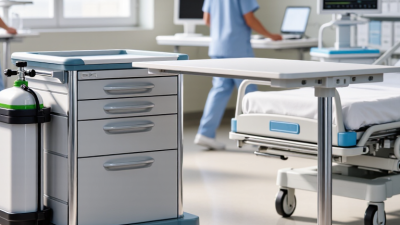
2026 Top Medication Carts for Global Buyers

Choosing the right Medication carts requires more than comparing prices, drawer counts, or polished product images. Global buyers must examine how each cart supports safe medication storage, efficient clinical movement, and daily staff routines. A cart may look advanced, yet become difficult to clean, steer, recharge, or maintain.

Human factors expert James Reason wrote, “We cannot change the human condition, but we can change the conditions under which humans work.” His principle remains highly relevant to Medication carts. A well-designed cart can reduce unnecessary reaching, searching, bending, and interruptions during medication rounds. It can also support clearer accountability through controlled access, organized compartments, and reliable identification features.

This guide reviews leading Medication carts for hospitals, clinics, long-term care facilities, and other professional healthcare settings. It considers construction quality, ergonomic design, locking systems, mobility, infection-control surfaces, battery performance, customization, after-sales service, and regional support. These details matter in real corridors, crowded wards, and overnight rounds.

Global purchasing is rarely simple. Import requirements, replacement parts, local servicing, and staff training can change the true ownership cost. The cheapest cart may not be the most economical choice. The most automated model may not suit every facility.

Some comparisons remain imperfect. Manufacturers report features differently, and field performance can vary by workload. Buyers should test representative models, ask for maintenance records, and involve nurses in final evaluations. A practical cart must work for people, not only specifications. This introduction sets a careful framework for identifying the strongest options in 2026.
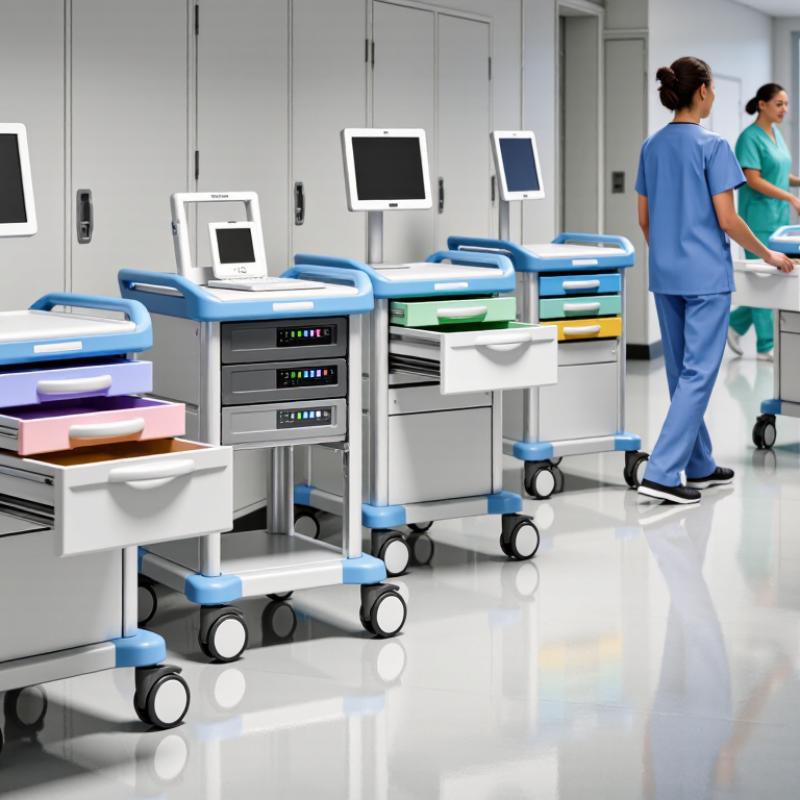
2026 Top Medication Carts for Global Buyers

What Medication Carts Are and Why They Matter in 2026

Medication carts are mobile workstations for storing, organizing, and transporting medicines in clinical settings. They may include secure drawers, adjustable shelves, barcode scanners, and sealed waste compartments. Their value is practical: nurses can reach the right supplies near the patient, instead of walking repeatedly to a central room.

The World Health Organization’s Global Patient Safety Report 2024 estimates that about one in ten patients experiences harm during healthcare. More than half of this harm is considered preventable. Medication mistakes remain a serious concern, especially during prescribing, dispensing, and administration. The WHO Medication Without Harm initiative also targets a 50% reduction in severe, avoidable medication-related harm. A well-designed cart cannot solve every error. It can support clearer separation, better stock visibility, and safer workflow. That distinction matters for global buyers in 2026. A cart with advanced software may still fail in a crowded ward. I have seen good equipment become inconvenient when drawers jam or charging points sit in the wrong place.

Tips: Test carts during real medication rounds. Check wheel stability, drawer labeling, cleaning access, battery endurance, and emergency access. Compare local electrical standards and service support before purchase. Ask nurses to test the cart. Their feedback may expose problems that product sheets hide.

Sources: World Health Organization, Global Patient Safety Report 2024; World Health Organization, Medication Without Harm Global Patient Safety Challenge.

Key Types of Medication Carts for Different Healthcare Settings

2026 Top Medication Carts for Global Buyers

Medication carts should match the clinical setting, not simply the purchasing budget. The World Health Organization estimates that medication errors cost about US$42 billion annually. Cart design therefore affects safety, workflow, and accountability.

In acute hospitals, emergency carts need sealed drawers, clear labels, oxygen access, and rapid maneuverability. Bedside medication carts support nurse-led administration, with lockable compartments and adjustable work surfaces. Automated dispensing carts suit high-volume wards, where user authentication and electronic records can reduce access errors. They also require stable networks and reliable maintenance.

Procedure rooms need compact anesthesia carts with organized trays and easy-clean surfaces. Long-term care facilities often need larger mobile carts, because staff may serve several residents during one round. Home-care teams need lighter models with secure storage and limited capacity. Too much storage can create clutter. Too little storage can encourage unsafe workarounds.

AHRQ’s 2023 National Healthcare Quality and Disparities Report continues to track medication management as a critical patient-safety area. Buyers should review drawer visibility, wheel performance, cleaning compatibility, battery life, and local electrical requirements. ISO 13485-aligned quality systems can strengthen supplier evaluation, but certification alone proves little about daily usability. I have seen efficient-looking carts slow nurses down. Real ward trials matter. A perfect specification sheet may still miss the human problem.

2026 Top Medication Carts for Global Buyers - Key Types of Medication Carts for Different Healthcare Settings

Practical comparison of common medication cart configurations, applications, and selection factors

Medication Cart Type Best-Fit Healthcare Setting Typical Medication Workflow Common Configuration Typical Capacity Range Key Safety and Control Features Primary Selection Priorities
Standard Medication Cart Medical-surgical wards, general hospitals, and long-term care facilities Routine medication rounds for multiple patients Multiple drawers, work surface, waste container, adjustable dividers, and locking casters Approximately 20–40 patient-specific or general-purpose drawers Central lock, tamper-resistant drawer design, smooth-roll casters, and cleanable surfaces Storage efficiency, maneuverability, cleaning access, and drawer organization
Emergency Medication Cart Emergency departments, intensive care units, operating rooms, and procedure areas Immediate access to emergency medicines and resuscitation supplies High-visibility drawers, defibrillator shelf, oxygen-cylinder holder, IV-pole socket, and utility side shelves Approximately 5–10 drawers plus dedicated equipment compartments Breakaway or numbered seal options, strong frame, large casters with brakes, and rapid-access layout Fast deployment, clear drawer labeling, stability, infection control, and restocking speed
Anesthesia Medication Cart Operating theatres, anesthesia workrooms, and perioperative departments Organized access to anesthetic medicines, syringes, airway items, and related supplies Shallow divided drawers, removable trays, waste bins, accessory rails, and compact footprint Approximately 10–20 drawers or modular tray positions Lockable storage, tamper-evident sealing, clearly separated drug compartments, and wipe-clean construction Small-item organization, controlled access, compact maneuvering, and rapid visual identification
Pediatric Medication Cart Pediatric wards, children's hospitals, neonatal units, and pediatric emergency areas Medication delivery where weight-based dosing and small-volume containers are common Adjustable dividers, small-item trays, labeled bins, sharps container, and compact worktop Approximately 15–30 divided storage locations Secure drawers, rounded edges, stable casters, child-safe access control, and easy disinfection Fine-grained organization, dosing-related labeling, safety, and compact dimensions
Automated Dispensing Cart Hospitals with electronic medication administration and centralized pharmacy support Patient-specific medication dispensing with electronic user verification Computer interface, barcode scanner, electronically controlled drawers, rechargeable battery, and network connectivity Configuration-dependent; commonly supports one medication round or a defined patient group User authentication, audit trail, barcode verification, automatic locking, and battery monitoring System integration, cybersecurity, battery runtime, service support, and total cost of ownership
Treatment and Procedure Cart Outpatient clinics, infusion centers, dialysis units, and treatment rooms Short procedures requiring medicines, consumables, and basic clinical equipment Open shelves or drawers, instrument tray, sharps container, waste bin, and accessory hooks Approximately 3–8 drawers with additional open shelf space Locking drawers, disinfectant-resistant work surface, secure waste handling, and braking casters Flexible storage, easy cleaning, footprint, and compatibility with procedure equipment
Mobile Pharmacy Cart Community pharmacies, hospital pharmacies, medication rooms, and ward replenishment areas Transport, preparation, replenishment, and temporary storage of packaged medicines Adjustable shelving, removable bins, lockable doors or drawers, push handle, and protective bumpers Approximately 30–80 small or medium medication containers, depending on shelf layout Lockable compartments, anti-tip design, smooth surfaces, and optional temperature-monitoring provision Load capacity, compartment security, transport distance, cleaning requirements, and workflow compatibility
Buyer note: Actual drawer counts, load ratings, dimensions, locking systems, electrical specifications, and accessories vary by configuration. Buyers should verify local electrical requirements, infection-control procedures, medication-security policies, accessibility standards, and applicable healthcare regulations before purchase.

Essential Features to Compare Before Making a Purchase

2026 Top Medication Carts for Global Buyers

Essential Features to Compare Before Making a Purchase

Choosing a medication cart requires more than checking storage capacity. In clinical trials and ward assessments, small design details often affect daily safety. Compare lock strength, drawer layout, and access control before discussing price. A cart should support authorized access without slowing urgent work.

Check whether drawers open smoothly with gloved hands. Test the writing surface beside a patient bed. It should remain stable during charting. Inspect sealed edges and rounded corners, because these areas influence cleaning time. Smooth, nonporous surfaces are easier to disinfect between rounds. Casters also deserve practical testing. They should roll quietly across thresholds and stop firmly on uneven floors.

Battery performance matters for electronic access, scanning, or documentation features. Ask for verified runtime, charging time, replacement procedures, and service records. Do not rely only on a product brochure. Request demonstrations, maintenance instructions, and user feedback from comparable facilities. Local power requirements and clinical standards may differ, so buyers should confirm compatibility with qualified facility staff.

No cart is perfect. A larger unit may store more supplies but feel difficult to maneuver. We once saw a spacious cart become a corridor obstacle. That detail changed the purchasing discussion. Consider noise, visibility, cleaning frequency, and staff height during a hands-on trial. Measure doors and elevators first. Then compare warranty coverage, spare-part availability, training, and long-term support across regions.

Global Standards, Safety Requirements, and Compliance Considerations

2026 Top Medication Carts for Global Buyers

Global Standards, Safety Requirements, and Compliance Considerations

Medication carts now support safer workflows, not merely bedside storage. The World Health Organization estimates medication errors cost about US$42 billion annually worldwide (WHO, Medication Without Harm). That figure makes access control, clear labeling, and reliable drawer separation commercial priorities.

Global buyers should request evidence against ISO 13485 quality systems and ISO 14971 risk management principles. Usability should reflect IEC 62366-1, especially for emergency access and warning labels. Powered carts may also require electrical safety testing under applicable IEC standards. A buyer should verify charging protection, battery documentation, anti-tip performance, maximum load, and cleanability. Small details matter. A latch that resists gloved hands can delay treatment.

Storage conditions must match the medicines and local pharmacy rules. Temperature monitoring, tamper evidence, audit trails, and role-based access deserve practical testing. Reports from the Institute for Safe Medication Practices repeatedly identify confusing storage and look-alike labeling as safety concerns. Cart suppliers should provide material compatibility data for disinfectants, cleaning instructions, and traceable test records. Local regulations still govern the final decision. A certificate alone is not proof of safe use.

Procurement teams should test a loaded cart in a real corridor, with one hand occupied. That experience often reveals poor wheel control or awkward drawer height. No checklist is perfect. Periodic review remains necessary.

How to Select the Best Medication Cart for Your Facility

2026 Top Medication Carts for Global Buyers

How to Select the Best Medication Cart for Your Facility

Selecting a medication cart should begin with workflow, not appearance. Observe medication rounds at 7 a.m., when corridors are crowded and interruptions increase. The cart should move quietly, turn easily, and keep frequently used items within reach. WHO reports that medication errors cost about US$42 billion each year. Small design failures can therefore create serious operational consequences.

Measure drawer capacity, lock performance, cleaning access, and battery endurance. AHRQ’s patient safety resources identify medication administration as a high-risk process, especially when interruptions and unclear organization occur. Choose divided drawers for different dosage forms. Confirm that labels remain readable under dim ward lighting. Test the cart beside elevators, narrow doors, and patient beds.

Do not trust a demonstration alone. Ask nurses to load, move, clean, and secure the cart during a realistic trial. Check whether wheels collect dust around their housings. Inspect the charging cable after repeated movement. ECRI’s healthcare technology guidance consistently emphasizes usability, maintenance, and human factors in safer equipment selection. However, a cart cannot repair weak procedures. My own assessment would remain provisional without feedback from night-shift staff. Their experience may expose problems that daytime trials miss. Specification sheets often look complete. Real corridors are not.

2026 Top Medication Carts for Global Buyers

How to Select the Best Medication Cart for Your Facility

This neutral procurement model prioritizes medication safety, workflow efficiency, durability, mobility, infection-control support, and lifecycle cost. Facilities should adjust the weighting according to patient volume, medication workflow, cleaning protocols, floor layout, and local regulatory requirements.

Go to Top