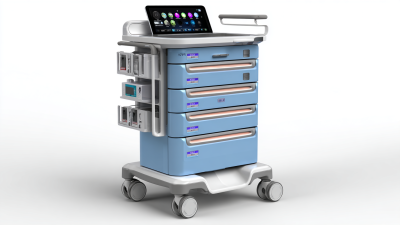
Top 10 Acute Care Medication Carts for Global Buyers
Acute care medication carts are becoming essential infrastructure for hospitals managing crowded wards, rapid drug rounds, and stricter medication-safety expectations. The World Health Organization’s Medication Without Harm report estimates that medication errors cost approximately US$42 billion globally each year. That figure includes failures across prescribing, preparation, dispensing, and administration. It does not mean a cart solves every risk. It does show why equipment design deserves careful scrutiny.
For global buyers, the right cart must support accurate workflow under pressure. Locking drawers, barcode access, adjustable work surfaces, sealed compartments, and reliable battery performance matter at the bedside. Infection-control details matter too. Smooth casters, cleanable surfaces, and limited cable exposure can reduce hidden maintenance problems. ECRI’s annual health-technology guidance repeatedly emphasizes usability, cybersecurity, and system integration as purchasing concerns. These priorities are especially relevant when carts connect with electronic medication records or automated identification tools.
James Reason, the influential patient-safety expert, wrote, “We cannot change the human condition, but we can change the conditions under which humans work.” His principle fits medication-cart selection closely. A poorly balanced cart can slow a nurse during a busy round. A weak battery can interrupt access at the worst moment. A confusing drawer layout can encourage workarounds. These details are easy to underestimate. This guide examines the Top 10 Acute Care Medication Carts for Global Buyers through safety, ergonomics, durability, connectivity, service support, and total cost of ownership. Some rankings remain debatable, because hospital workflows differ. That is precisely why buyers should test carts in real clinical conditions, not rely on brochures alone.
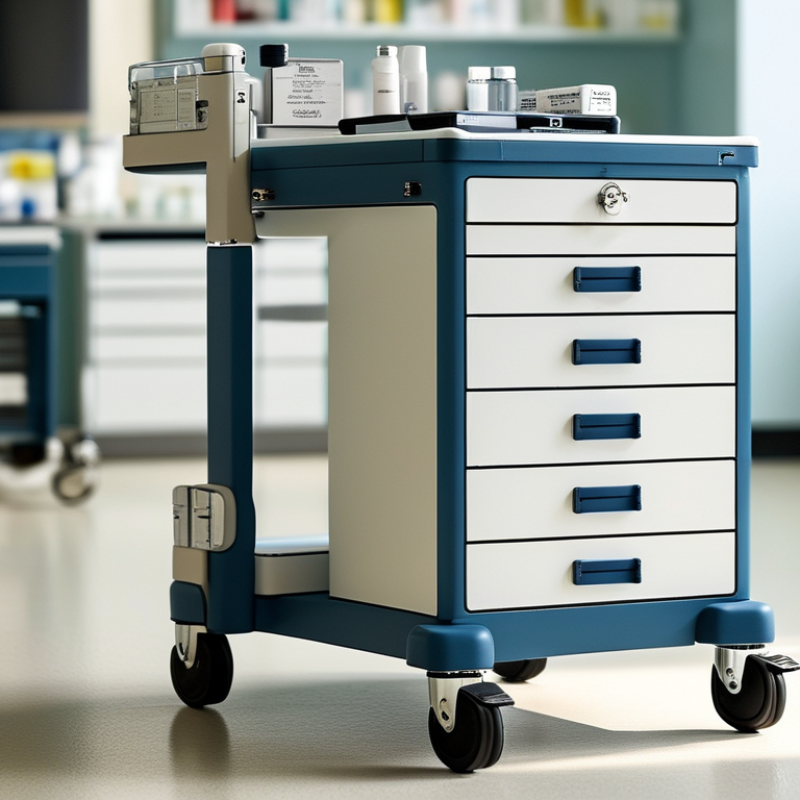
Acute Care Cart Taxonomy: Crash, Medication, Anesthesia, and Procedure Models
Top 10 Acute Care Medication Carts for Global Buyers
Acute care carts serve different clinical moments, so one design rarely fits every department. Crash carts support rapid resuscitation, with clear drawers for airway tools, emergency medicines, and defibrillator accessories. Their layout should remain visible during a stressful response. Access speed matters.
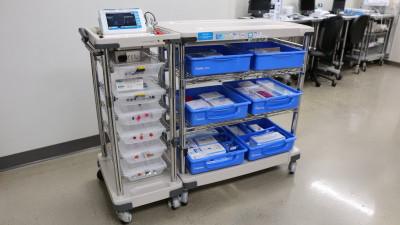
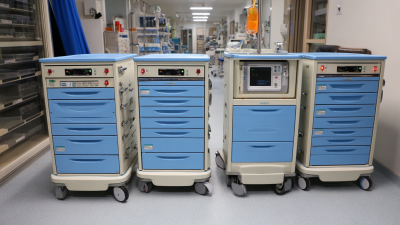
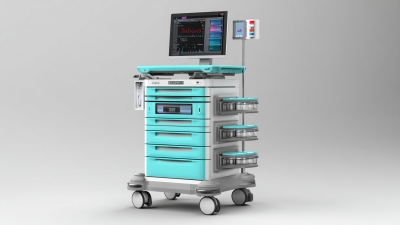
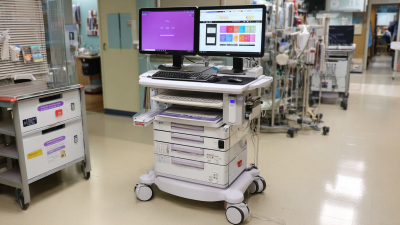
Medication carts support scheduled and urgent drug administration. They usually need divided drawers, tamper-resistant locks, adjustable trays, and smooth surfaces for disinfection. Some facilities also require barcode-compatible workflows or controlled access records. However, technology can complicate cleaning and maintenance. Simple systems are sometimes safer.
Anesthesia carts function as mobile workstations near the operating table. They need organized storage for airway equipment, syringes, monitoring accessories, and waste containers. Procedure carts are more flexible. They may carry sterile packs, dressings, sutures, and a height-adjustable work surface. A narrow cart can pass through crowded corridors, but it may sacrifice storage capacity. Global buyers should compare the top ten options by wheel performance, drawer load, brake reliability, corrosion resistance, and cleaning compatibility. Local electrical requirements matter when powered accessories are included. Staff trials reveal problems that brochures often miss. A cart may look efficient yet produce awkward reaching or blocked sightlines. Incomplete feedback is still useful. It shows where the design needs another review.
Top 10 Acute Care Medication Carts for Global Buyers
Acute Care Cart Taxonomy: Crash, Medication, Anesthesia, and Procedure Models
This reference matrix compares the primary workflow functions of four widely used acute care cart models across ten common hospital deployment scenarios. A score of 1 indicates that the cart model is a core fit for the workflow, while 0 indicates that it is not the primary cart type. The classification is based on standard clinical use patterns and excludes company or brand data.
Top 10 Acute Care Medication Carts Ranked by Clinical and Procurement Data
Top 10 Acute Care Medication Carts for Global Buyers
Top 10 Acute Care Medication Carts Ranked by Clinical and Procurement Data
This ranking uses clinical safety, workflow fit, durability, and total procurement value. Public datasets rarely compare cart models directly. That limitation matters. WHO reports that one in ten patients experiences harm in healthcare, with over half considered preventable. AHRQ’s Making Health Care Safer III supports barcode medication administration, standardized workflows, and reliable medication access.
The ranking is:
1. Barcode-ready mobile cart
2. ICU emergency medication cart
3. High-capacity ward cart
4. Compact isolation-room cart
5. Anesthesia medication cart
6. Pediatric medication cart
7. Procedure-room cart
8. Automated access cart
9. Temperature-monitored cart
10. Modular transport cart
The leading options combine sealed surfaces, adjustable drawers, tamper-evident access, battery visibility, and smooth movement over thresholds. Procurement teams should compare five-year ownership costs, not only purchase prices. Include batteries, software, preventive maintenance, cleaning time, and replacement parts. A 2023 ASHP national survey continues to track barcode administration and automated medication technologies, showing why interoperability deserves serious weighting. Still, technology can create new failure points.
Tips: Test carts during a real medication round. Measure hallway turning, drawer reach, charging time, and cleaning labor. Ask nurses to report awkward movements. Small frustrations become recurring costs. A pilot may reveal that the most advanced cart is not the best fit for every unit. Insist on evidence, local service capacity, and documented usability before a global purchase.
Medication Safety Benchmark: WHO’s Estimated US$42 Billion Annual Error Burden
Medication errors remain a costly patient-safety challenge. The World Health Organization estimates their global annual burden at about US$42 billion. WHO’s Medication Without Harm initiative identifies high-risk medicines, transitions of care, and polypharmacy as priority areas. Acute care medication carts can address these risks, but only when their design supports reliable clinical routines.
A practical cart should provide clear drawer separation, tamper-evident access, sharps control, and space for emergency supplies. Barcode scanning can strengthen verification at the bedside. However, technology is not a complete safeguard. A rushed nurse, poor lighting, or an overcrowded drawer can still create an error pathway. The OECD has reported that around one in ten hospital patients experiences harm during care, with medication-related incidents contributing to this wider safety burden.
Tips: Check drawer visibility with gloves on. Test wheel stability on uneven floors. Confirm battery endurance during a full shift. Review audit logs monthly. Store look-alike medicines apart, and use readable labels with consistent positioning. The Institute for Safe Medication Practices recommends differentiating confusing medicine names and packaging through storage controls and visual warnings. Buyers should also request evidence from usability testing, cleaning validation, and local workflow trials. A cart may meet a specification sheet and still fail in practice. That gap deserves honest review.
International Compliance Matrix: ISO 13485, USP <797>, EU MDR, and IEC 60601-1
Top 10 Acute Care Medication Carts for Global Buyers
An international compliance matrix should separate product requirements from facility responsibilities. ISO 13485 evaluates the manufacturer’s quality management system, including design controls, supplier oversight, corrective actions, and traceable records. It does not automatically prove that every cart is clinically suitable. Buyers should request current certificates, scope statements, and evidence linking the certificate to the supplied configuration.
USP <797> focuses on compounded sterile preparations and the environments supporting them. A medication cart may support clean workflow, but it cannot replace validated rooms, procedures, environmental monitoring, or trained personnel. Look for smooth, cleanable surfaces, controlled access, sealed storage, and layouts that reduce unnecessary movement. Practical testing matters. Open drawers beside a preparation area can expose weaknesses that brochures never show.
EU MDR review requires a different lens. Confirm the cart’s intended purpose, classification rationale, technical documentation, labeling, post-market surveillance, and applicable conformity assessment route. IEC 60601-1 applies when the cart includes electrical or powered medical equipment. Check leakage current, protective earth, insulation, mechanical stability, and use under foreseeable fault conditions. Battery charging creates another checkpoint. Regional plugs are not enough. Voltage, medical-use environments, and service support must align.
A matrix is not a certificate. It is a decision tool. Procurement teams should record document versions, test conditions, local adaptations, and unresolved gaps. One limitation deserves honesty: compliance evidence can become outdated after software, battery, drawer, or accessory changes. Review it again before deployment.