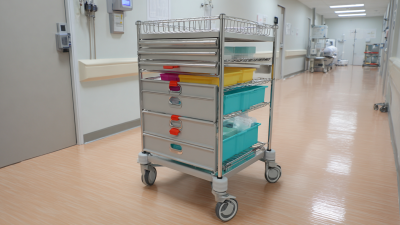
What Are the Best Medical Carts Made in China?
Choosing the best Medical carts made in China requires more than comparing prices and polished product photos. Hospitals need carts that remain stable beside crowded beds, roll quietly across uneven floors, and support daily clinical routines. A strong evaluation should examine construction, mobility, storage, cleaning, safety, and after-sales support.
This guide reviews Chinese medical cart manufacturers through practical procurement criteria. These criteria include frame materials, drawer capacity, caster quality, braking systems, adjustable work surfaces, and electrical integration. Stainless steel carts may suit intensive cleaning areas. ABS models can offer lighter handling and lower costs. Some designs include sealed drawers, oxygen cylinder holders, or monitor platforms. Small details matter, especially when staff work quickly under pressure.
Reliable selection also depends on evidence. Buyers should request product specifications, load-testing results, warranty terms, and quality-management documentation. Independent inspections can confirm dimensions, welds, wheel performance, and surface durability. Certifications are useful, but they should match the cart’s intended market and application. Supplier communication matters too. A responsive factory may solve replacement-part problems faster than a cheaper, less transparent supplier.
There is no universal best model. A compact emergency cart may not suit a laboratory. A feature-rich cart may create unnecessary maintenance costs. This guide acknowledges those trade-offs and highlights areas requiring careful verification. Some online claims sound convincing, yet real performance can differ after months of cleaning and heavy use. The final choice should combine clinical feedback, technical review, budget planning, and dependable manufacturer support.
What Makes a Medical Cart Suitable for Healthcare Use?
A suitable medical cart must survive real clinical pressure, not just look modern in a catalog. China-made carts can meet demanding healthcare needs when their design, testing, and quality controls are carefully verified. The WHO 2022 Global Report on Infection Prevention and Control estimates that 7 in 100 patients in high-income hospitals acquire at least one healthcare-associated infection. In lower-income settings, the estimate rises to 15 in 100. Cleaning-friendly surfaces therefore matter greatly.
Cleaning comes first. A suitable cart should have sealed edges, smooth panels, minimal gaps, and removable bins. Staff should disinfect the handle, worktop, and drawer pulls quickly between patients. Wheels must roll quietly over thresholds and stop firmly beside a bed. Small details matter. A loose caster can delay care and increase handling risks.
Ergonomics also deserves evidence, not guesswork. NIOSH identifies healthcare work as a major source of musculoskeletal strain, especially during pushing, lifting, and repetitive tasks. Adjustable work surfaces, balanced drawers, and handles at a comfortable height can reduce unnecessary force. Power systems should support a full shift, display battery status clearly, and protect connected equipment. Where electrical functions apply, buyers should check testing against IEC 60601-1 and review the manufacturer’s ISO 13485 quality system. Data protection also matters when carts carry computers or patient records. A practical trial in a busy ward is still essential. A glossy finish proves very little.
Which Types of Medical Carts Are Made in China?
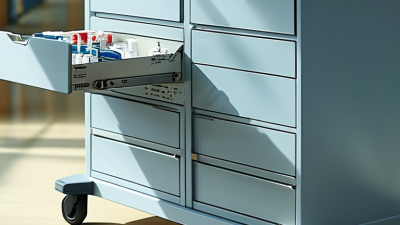
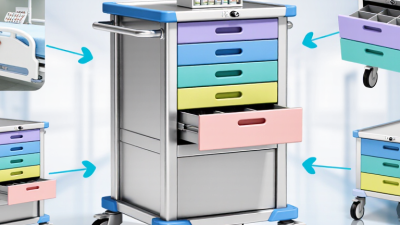
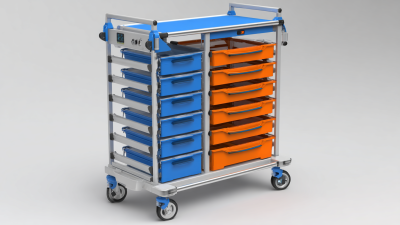
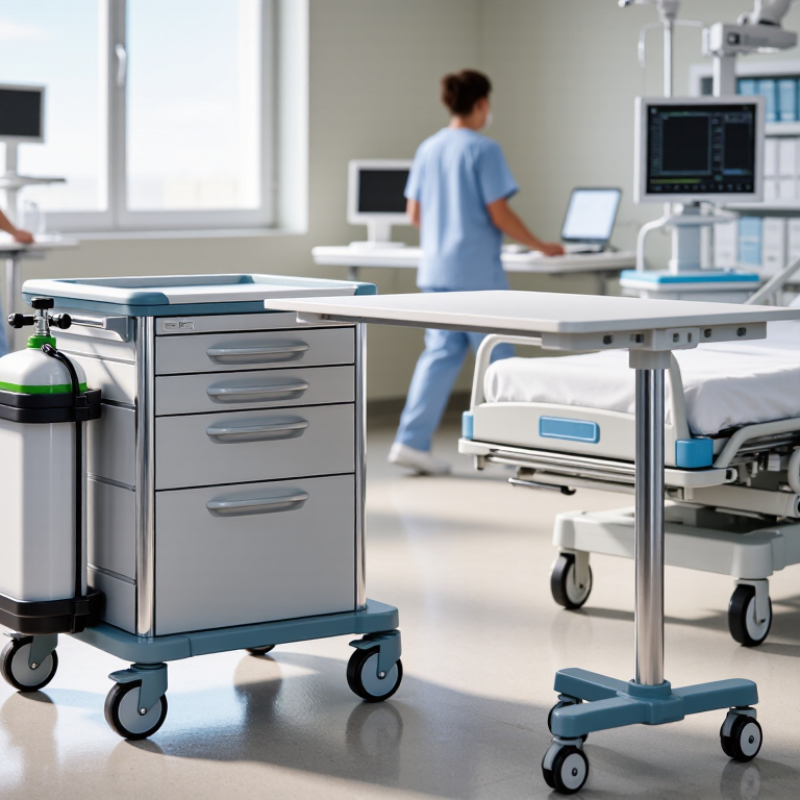
Chinese medical cart manufacturers produce several practical types for hospitals, clinics, laboratories, and long-term care facilities. Treatment carts usually include adjustable shelves, drawers, and smooth casters for daily procedures. Emergency carts often feature sealed drawers, oxygen-cylinder holders, cardiac-board mounts, and quick-access layouts. Medication carts may add locking compartments, divided trays, and waste containers. Bedside carts are smaller, with over-bed tables and adjustable surfaces for patient care.
Instrument carts commonly use stainless steel for cleaning resistance and long service life. ABS carts are lighter and often quieter in crowded corridors. Some manufacturers also produce anesthesia carts, dressing carts, computer carts, and linen carts. During evaluation, check drawer movement, wheel stability, handle strength, and the cart’s rated load. A polished surface is not enough. Poorly fitted casters can create trouble after months of daily use. This point is easy to overlook.
Tips: Ask for drawings, material details, sample testing, and quality records before ordering. Confirm whether locks, rails, power systems, and accessories match your workflow. Inspect welds, seams, and brake performance. Request evidence of relevant safety testing and manufacturing controls. A low quotation can be useful, but it may hide thinner panels or weaker hardware. Independent inspection is worth considering, especially for emergency and medication carts. Requirements differ between facilities, so a standard model may need careful modification.
What Features Define High-Quality Chinese Medical Carts?
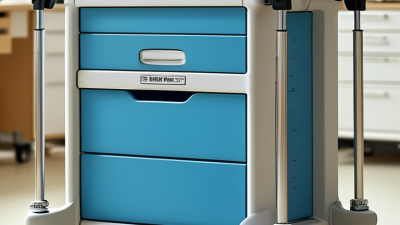
High-quality Chinese medical carts begin with a stable, hygienic structure. Powder-coated steel or durable medical-grade polymers should resist disinfectants, moisture, and repeated cleaning. Smooth welded joints matter because gaps can collect dust and microbes. Rounded edges reduce injury risks during crowded ward rounds. Quiet, lockable casters should roll easily across tile, thresholds, and uneven hospital floors.
Storage design also defines daily performance. Drawers should open fully and remain secure during movement. Clear labels, adjustable dividers, and sealed compartments help staff find supplies quickly. A reliable cart may include a height-adjustable work surface, an ergonomic handle, and protected electrical outlets. Cable routing must prevent snagging. Small details matter. A weak drawer rail can ruin an otherwise excellent cart.
Manufacturers should provide load testing, electrical safety records, material information, and inspection documentation. Traceable quality checks are more convincing than attractive product photographs. In practical use, staff should test the cart with gloves, cleaning agents, and a realistic supply load. Some carts look strong but wobble when fully loaded. That weakness deserves honest review. No design fits every department. Intensive care, treatment rooms, and mobile nursing teams need different layouts, capacities, and accessories. Reliable suppliers listen to these differences and adjust production without sacrificing structural consistency.
What Defines a High-Quality Medical Cart?
High-quality medical carts are typically evaluated by their safety, cleanability, mobility, durability, ergonomic design, and storage flexibility. The scores below use a practical procurement priority scale from 1 to 10 and are intended as a brand-neutral quality framework for comparing Chinese-made medical carts.
How to Evaluate Chinese Medical Cart Manufacturers
Choosing the best medical carts made in China begins with the manufacturer, not the catalog photograph.
The World Health Organization reports that about one in ten patients experiences harm during healthcare, and more than half of this harm is preventable. A cart should therefore support safer workflows, not merely look modern.
Check whether the factory operates a documented quality system, preferably aligned with ISO 13485. Request recent audit records, material certificates, risk-management files, and device traceability. Ask how each cart is tested for load capacity, caster stability, electrical safety, battery endurance, and electromagnetic compatibility. IEC 60601-1 is an important reference for powered medical equipment.
For medication or computer carts, inspect drawer security, cable routing, cleaning resistance, and alarm behavior. Small details matter. A loose wheel can disrupt a busy ward.
The WHO Global Patient Safety Action Plan 2021–2030 emphasizes safer systems and reliable information. That makes technical documentation, complaint handling, and corrective-action procedures essential evaluation points. Visit the production line if possible. Observe whether workers record torque values and inspection results, or simply rely on appearance.
A polished sample can hide weak process control.
I would also request samples from different production batches, then repeat the same tests independently. Supplier promises are useful, but evidence is better. Compare warranty response times, spare-part availability, software support, and export experience. The cheapest quotation may become expensive when a battery fails, a drawer misaligns, or replacement parts arrive slowly.
How to Select the Best Medical Cart for Your Facility
Selecting the best medical cart for your facility starts with workflow, not country of origin.
A cart made in China can perform well when its design matches real clinical demands. Map each route first. Measure door widths, elevator space, storage points, and cleaning stations. A medication cart may need secure drawers and quiet casters. An emergency cart needs rapid access, strong brakes, and reliable visibility.
Safety data should guide the purchase.
The World Health Organization estimates medication errors cost about US$42 billion annually worldwide. Therefore, choose carts that support clear identification, controlled access, and organized medication placement. AHRQ’s Surveys on Patient Safety Culture reports also identify staffing and work pace as weaker safety areas than teamwork. A lightweight cart with smooth movement can reduce unnecessary physical strain during busy shifts. Small details matter.
Request evidence before accepting a quotation.
Check load testing, electrical safety documentation, battery-cycle results, and quality controls under ISO 13485. Confirm compatibility with your disinfectants, because some plastics become cloudy or brittle. Ask whether replacement wheels, drawers, batteries, and locks remain available for several years. Inspect one finished sample in person, if possible. It reveals more than polished photographs.
Do not compare price alone.
Calculate maintenance, downtime, training, and replacement costs. A lower bid may become expensive after one damaged drawer. I would also test the cart on uneven flooring and crowded corridors. That step is easy to overlook. A perfect specification sheet cannot fully predict daily use.