
Why Are Med Carts for Sale a Smart Global Buy?
The global demand for med carts for sale is shaped by a practical problem: medicines must move safely, quickly, and visibly through busy care environments. A suitable cart can support organized storage, reduce unnecessary walking, and protect medication supplies during daily rounds. Its value becomes clearer beside reliable industry evidence. The World Health Organization identifies medication-related harm as a major source of avoidable patient injury in its Global Patient Safety Action Plan 2021–2030. AHRQ also emphasizes standardized medication processes, clear labeling, and safer clinical workflows.
Don Berwick, a leading healthcare-quality expert, said, “Every system is perfectly designed to get the results it gets.” His observation applies directly to medication-cart selection. A poorly configured cart may create clutter, delays, and repeated searching. A well-designed model can place drawers, locks, work surfaces, and electronic access points where clinicians actually need them. This is not just a purchasing decision.
It is a workflow decision.
Market reports from Grand View Research and Fortune Business Insights indicate continued growth in healthcare equipment and hospital automation markets. These trends support international interest in mobile, connected, and ergonomically designed carts. However, global buyers should examine more than price. They need dependable construction, cleanable surfaces, service support, adjustable features, and compatibility with local clinical routines. A cart that works perfectly in one hospital may feel inefficient elsewhere. That limitation deserves honest attention. The smartest global buy is not always the newest model. It is the cart that improves real work, protects patients, and remains useful after the sales presentation ends.
What Are Med Carts and How Do They Support Clinical Care?
Why Are Med Carts for Sale a Smart Global Buy?
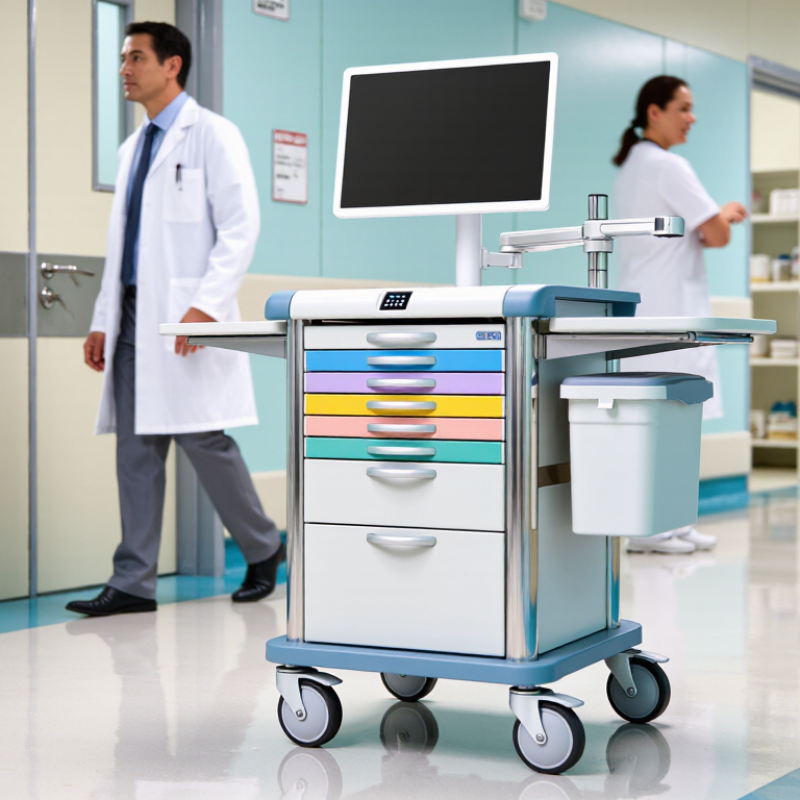
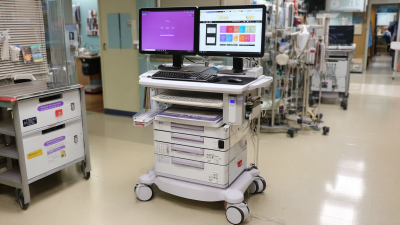
Med carts are mobile workstations designed to support medication storage, preparation, and documentation in clinical settings. They usually include lockable drawers, adjustable shelves, smooth casters, and a stable writing surface. In a busy ward, a well-designed cart keeps essential supplies near the patient’s room. This can reduce unnecessary walking and support more consistent care routines. Some carts also provide space for a laptop, barcode scanner, or sealed sharps container. Their value depends on safe construction, easy cleaning, and practical workflow design. A low price alone proves very little.
Tips: Check drawer dimensions, wheel quality, brake performance, and cleaning compatibility. Confirm local electrical and medical-device requirements before purchase. Ask for load ratings and maintenance guidance. Test the cart with real supplies, not an empty showroom model. Small details matter. A narrow handle may seem harmless, yet it can slow movement during a crowded shift.
For global buyers, med carts for sale can offer flexible support across hospitals, clinics, and care facilities. Standardized carts may help different teams follow similar storage practices. However, one design may not fit every healthcare environment. Climate, floor surfaces, corridor width, and staffing patterns can change performance. I have seen practical equipment become less useful when wheels collect dust or drawers resist opening with gloved hands. That limitation deserves honest attention. Reliable suppliers should provide clear specifications, service information, and replacement-part access. Clinical managers should also involve nurses, pharmacy staff, and infection-control professionals before choosing a model. Their daily experience often reveals problems that product brochures overlook.
Why Are Med Carts for Sale a Smart Global Buy? - What Are Med Carts and How Do They Support Clinical Care?
Medical carts are mobile clinical workstations designed to transport supplies, medication, instruments, documentation, and digital equipment directly to the point of care. The table below summarizes common cart categories, clinical uses, functional specifications, and global purchasing considerations.
| Med Cart Category | Typical Clinical Use | Core Configuration | Mobility and Storage | Power and Technology | Clinical-Care Benefits | Global Purchasing Considerations |
|---|---|---|---|---|---|---|
| Medication Cart | Medication preparation, transport, and administration in inpatient units, clinics, and long-term care settings. | Lockable drawers, medication trays, adjustable dividers, work surface, waste container, and sharps container holder. | Four swivel casters are common; at least two casters generally include brakes. Drawer layouts can be configured for unit-dose or bulk supplies. | May include a key lock, electronic access control, barcode scanner support, or a battery-powered computer module. | Keeps frequently used medications organized at the bedside and supports controlled access, safer workflow, and reduced walking time. | Confirm lock standards, drawer dimensions, medication-storage requirements, electrical compatibility, and local regulations for controlled medicines. |
| Emergency Crash Cart | Rapid response during cardiac arrest, respiratory failure, shock, and other medical emergencies. | Clearly identified drawers, emergency equipment compartments, defibrillator shelf, oxygen-cylinder holder, IV-pole mount, and tamper-evident seal capability. | Large casters and a stable base support rapid movement. A rigid top surface can be used for emergency equipment and procedures. | Usually supports a defibrillator, suction device, emergency lighting, and other plug-in or battery-powered devices. | Centralizes essential emergency equipment and standardizes the response layout, helping staff locate supplies quickly. | Check drawer labeling, emergency-access design, oxygen-cylinder dimensions, cleaning requirements, and compatibility with local resuscitation protocols. |
| Treatment and Procedure Cart | Wound care, dressing changes, minor procedures, injections, and routine bedside treatment. | Worktop, removable trays, drawers or bins, side rails, waste receptacle, sharps container holder, and accessory mounting points. | Open or semi-enclosed storage enables fast access. Common designs use lockable drawers for sensitive or sterile supplies. | Technology is optional; some models accommodate task lighting, a tablet holder, or a small powered device. | Brings procedure supplies to the patient, reduces repeated trips to the supply room, and supports organized bedside care. | Evaluate cleanability, tray interchangeability, corrosion resistance, wheel performance on local floor types, and replacement-part availability. |
| Mobile Computer Workstation | Electronic health-record documentation, clinical communication, patient identification, and bedside charting. | Height-adjustable work surface, monitor or laptop platform, keyboard support, storage area, cable management, and optional accessory rails. | Designed for frequent movement between patient rooms. Compact footprints help navigation in corridors and around beds. | May include a rechargeable battery, power-management system, computer mount, scanner holder, and network or wireless connectivity support. | Enables real-time documentation and access to patient information at the point of care, which can reduce delayed charting. | Verify voltage and plug requirements, battery certification, wireless-network compatibility, cybersecurity controls, and compatibility with clinical software. |
| Supply and Storage Cart | Transport and organization of dressings, consumables, linens, diagnostic accessories, and general clinical supplies. | Adjustable shelves, removable bins, labeled compartments, side supports, and optional doors or roll-up covers. | Open carts provide quick visibility; enclosed carts offer better dust protection and security. Shelf capacity should match expected load. | Typically non-powered, with optional lighting or electronic inventory accessories. | Improves supply availability at the point of care and helps departments standardize par levels and replenishment routines. | Compare load capacity, shelf adjustability, packaging dimensions, aisle clearance, and the availability of standardized replacement bins. |
| Isolation or Infection-Control Cart | Delivery of personal protective equipment and dedicated supplies for isolation rooms or infection-control zones. | Enclosed or covered compartments, glove-box holders, gown storage, mask storage, signage area, and waste-container support. | Compact dimensions support placement outside or near patient rooms. Smooth surfaces and limited seams simplify cleaning. | Usually non-powered; may include hands-free accessories or touch-free dispensing features. | Places protective equipment near the point of entry and supports consistent isolation workflows. | Confirm resistance to the disinfectants used locally, cleaning instructions, material compatibility, signage options, and storage capacity for required PPE. |
| Anesthesia or Operating-Room Cart | Organization of anesthesia drugs, airway equipment, syringes, monitoring accessories, and procedure-related supplies. | Multiple drawers, adjustable dividers, medication labels, equipment shelf, waste and sharps accessories, and secure locking options. | Heavy-duty casters and a stable frame support movement around operating tables and medical equipment. | May support monitors, warming devices, lighting, or other equipment depending on the configuration. | Supports standardized setup, faster equipment access, and separation of medication and airway supplies. | Assess load rating, drawer security, compatibility with operating-room cleaning agents, noise during movement, and local operating-room workflow. |
| Pediatric or Neonatal Cart | Care of infants and children where smaller equipment, specialized supplies, and precise organization are required. | Smaller compartments, labeled medication sections, accessory mounts, oxygen support, and storage for pediatric or neonatal consumables. | Compact geometry supports use in smaller rooms while maintaining access to essential equipment. | May accommodate monitoring devices, warming equipment, lighting, or emergency-response technology. | Helps staff organize size-specific supplies and avoid delays caused by searching for specialized equipment. | Check compatibility with pediatric equipment, oxygen standards, drawer labeling, cleaning procedures, and local neonatal-care protocols. |
| Dental or Specialty Procedure Cart | Support for dental treatment, ophthalmology, dermatology, laboratory procedures, and other specialty care. | Specialty instrument trays, compact drawers, accessory mounts, waste management, and a work surface suited to the procedure. | Compact, maneuverable designs are useful in treatment rooms with limited space and multiple fixed devices. | Depending on the specialty, the cart may support task lighting, small powered instruments, or digital documentation equipment. | Keeps procedure-specific instruments and consumables together, improving room turnover and workflow consistency. | Select materials and accessories according to the specialty, sterilization or disinfection method, room dimensions, and local equipment standards. |
| Mobile Diagnostic Cart | Bedside assessment using portable diagnostic devices such as vital-sign monitors, ultrasound systems, or ECG equipment. | Equipment platform, cable management, accessory basket, drawers, device straps, and optional monitor or tablet mount. | A low center of gravity and appropriately sized casters improve stability when moving expensive diagnostic equipment. | May include battery support, charging space, power strips, data connectivity, and device-specific mounting hardware. | Makes diagnostic technology available across multiple rooms without dedicating one device to every treatment area. | Verify device dimensions, maximum load, battery ventilation, electrical safety, network access, and service support in the destination country. |
Related Posts
-
How to Optimize the Use of Acute Care Medication Carts in Healthcare Facilities
-
How to Choose the Best Medication Carts for Your Needs?
-
Top 10 Acute Care Medication Carts for Global Buyers
-
Innovative Solutions for the Future of Medical Computer Carts in Healthcare Environments
-

7 Essential Advantages of Choosing the Best Med Carts for Sale
-

Best Med Carts for Sale Options for Your Healthcare Facility?