Top 10 Rolling Medical Carts for Efficient Healthcare Solutions?
In today's fast-paced healthcare environment, a reliable rolling medical cart is essential for efficient patient care. Dr. Sarah Thompson, a leading expert in healthcare logistics, emphasizes, "A well-designed rolling medical cart can significantly enhance workflow efficiency." These mobile solutions support healthcare professionals by providing immediate access to necessary equipment and supplies.
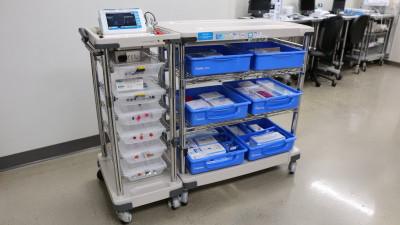
Rolling medical carts come in various designs and configurations to meet specific needs. For example, some models feature specialized compartments for medications, while others may hold imaging equipment. Their versatility allows healthcare workers to adapt quickly to changing circumstances, but unfortunately, not all carts meet the high standards required in a clinical setting.
As we explore the top 10 rolling medical carts, it's crucial to reflect on the aspects that truly enhance their functionality. Factors such as ease of mobility, durability, and user-friendly designs impact their effectiveness. Selecting the right cart isn't just about convenience; it also ensures that patient care remains at the forefront of a healthcare provider's mission. The goal should be to find a rolling medical cart that combines reliability and utility without compromising quality.
Overview of Rolling Medical Carts in Healthcare Settings
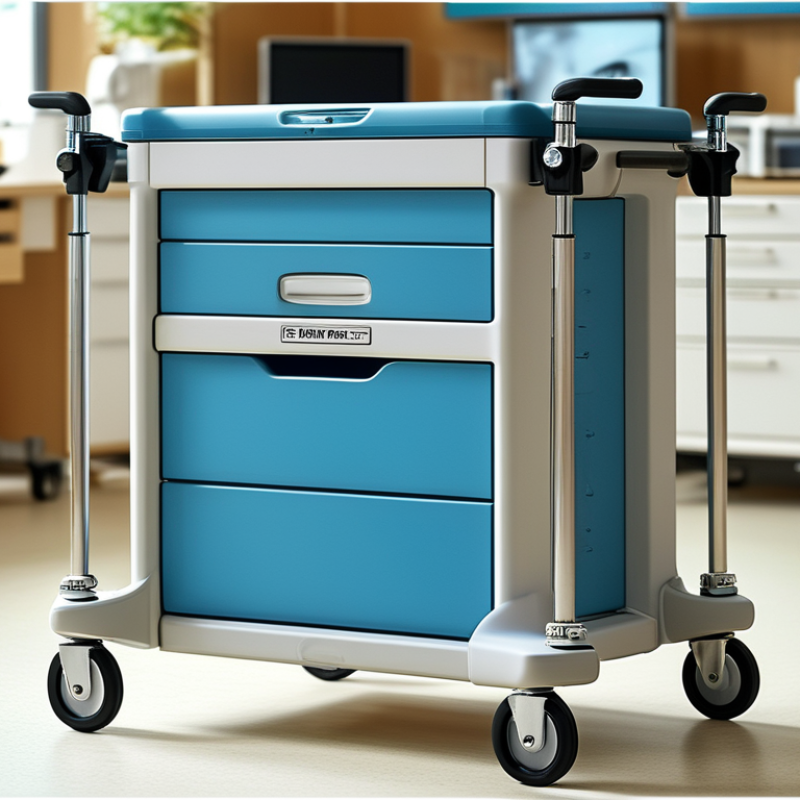
Rolling medical carts are essential in modern healthcare facilities. They serve various purposes, from medication delivery to equipment transport. According to a report by Research and Markets, the global mobile medical carts market is projected to reach $2.4 billion by 2027, indicating their growing importance. These carts enhance workflow efficiency, allowing healthcare professionals to attend to patients more effectively.
In hospitals, rolling medical carts reduce the time staff spends searching for tools and medications. An observational study published in the Journal of Healthcare Engineering found that using mobile carts can decrease retrieval time by nearly 30%. This improvement directly impacts patient care quality and operational efficiency. However, not all carts are designed equally. Some lack sufficient storage or ergonomic features, which can lead to user frustration and inefficiency.
Reliability in these carts is crucial. Healthcare facilities must consider factors like durability and ease of cleaning. Many carts underperform in these areas, which can compromise hygiene standards. A well-designed rolling cart can make the difference in fast-paced environments. Thus, the right choice should prioritize usability and functionality, rather than merely focusing on cost.
Top 10 Rolling Medical Carts for Efficient Healthcare Solutions
| Cart Model |
Dimensions (L x W x H) |
Weight Capacity |
Material |
Number of Drawers |
Price Range |
| Model A |
24" x 18" x 36" |
200 lbs |
Steel |
4 |
$300 - $400 |
| Model B |
30" x 20" x 40" |
250 lbs |
Aluminum |
3 |
$400 - $500 |
| Model C |
28" x 22" x 38" |
220 lbs |
Plastic |
5 |
$200 - $300 |
| Model D |
32" x 24" x 42" |
270 lbs |
Stainless Steel |
2 |
$600 - $700 |
| Model E |
26" x 18" x 34" |
190 lbs |
Polypropylene |
6 |
$150 - $250 |
| Model F |
29" x 21" x 39" |
240 lbs |
Steel |
4 |
$350 - $450 |
| Model G |
30" x 22" x 41" |
260 lbs |
Aluminum |
5 |
$500 - $600 |
| Model H |
24" x 18" x 35" |
180 lbs |
Plastic |
7 |
$120 - $220 |
| Model I |
25" x 19" x 37" |
230 lbs |
Steel |
3 |
$400 - $500 |
| Model J |
26" x 20" x 39" |
210 lbs |
Aluminum |
4 |
$300 - $400 |
Key Features to Consider When Choosing a Medical Cart
When selecting a medical cart, several key features are critical. Consider the design and functionality of the cart. It should be lightweight for easy maneuvering. Look for carts with good storage options. Adjustable shelves can accommodate various supplies.
Wheels are another important feature. Ensure they roll smoothly across different surfaces. Locking mechanisms are essential to keep the cart stable during procedures. A sturdy frame contributes to the cart's reliability in busy environments.
**Tips:** Think about accessibility. Carts should allow quick access to essential items. This design can enhance workflow efficiency. Evaluate the material as well. It should be easy to clean and resistant to spills.
Don’t overlook customization options. A cart that suits your specific practice can make a big difference. Reflecting on the needs of your team can guide your choice. Finding the right balance between features and usability is key.
Top 10 Rolling Medical Carts for Efficient Healthcare Solutions
Comparative Analysis of the Top 10 Rolling Medical Carts
In the fast-paced healthcare environment,
rolling medical carts play a critical role. They enhance mobility and improve efficiency for healthcare providers.
A recent report by the Healthcare Equipment Market Research (HEMR) indicates that
70% of nurses believe mobile carts positively impact patient care. This statistic underlines their significance in streamlining workflows.
When selecting rolling medical carts, usability is paramount.
Most healthcare facilities look for carts with customizable compartments.
These allow for better organization of medical supplies.
According to the American Nursing Association, a well-organized cart can reduce time spent on tasks by up to
25%.
However, there are challenges to consider. Not all carts cater to diverse medical needs, and some lack space for essential equipment.
Sustainability is another growing concern.
The increasing push for eco-friendly materials in healthcare is evident.
A study from the Journal of Healthcare Management highlighted that
40% of medical carts are not designed with sustainability in mind.
Manufacturers must prioritize this aspect.
Ultimately, while rolling carts are essential tools, their design must evolve to meet both functional and environmental expectations.
Product Reviews: Performance and User Feedback
When evaluating rolling medical carts, user feedback reveals both strengths and weaknesses. Healthcare professionals often prioritize mobility and storage. One common feedback point is the need for smooth-rolling wheels. Many users appreciate carts that glide effortlessly in tight spaces. However, some carts struggle on uneven surfaces, leading to frustration.
Another key aspect is the organization of supplies. Carts equipped with adjustable shelves often get praised for versatility. Users report that customized storage helps with quick access to essential items. Yet, a minor complaint is that certain compartments can feel too small for some tools, causing inconvenience during busy shifts.
Durability is also crucial. Many users highlight that carts made from high-quality materials withstand daily wear. However, some have pointed out that not all carts are easy to clean. This can lead to hygiene concerns in healthcare settings, which warrants attention. Therefore, considering the overall utility and design of rolling medical carts is vital for professionals in the field.
Future Trends in Medical Cart Design and Functionality
The future of medical cart design is evolving rapidly. As healthcare demands increase, medical carts must adapt. They are becoming more versatile and efficient. Innovations in materials and technology lead to sturdy, lightweight designs. Carts are now equipped with smart features, enhancing functionality in busy healthcare environments.
One notable trend is the integration of charging and digital support. Carts can now house tablets and other devices. This allows healthcare professionals to access patient records on the go. However, this added complexity may create challenges. There is a need for staff training to ensure efficient use. Additionally, the maintenance of these high-tech carts can be costly and require specialized knowledge.
Another key development is the focus on patient-centric design. The best carts provide easy access to essential tools. They allow for quick response times in emergencies. However, some designs still lack adequate storage solutions. This continues to be a point of frustration for many users. Designers must remain attentive to these needs as they innovate.