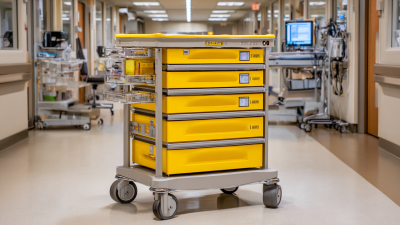
Choosing a medication trolley in China involves more than comparing prices or counting drawers. The best option is one that fits your care workflow, room layout, and cleaning routine. A trolley that looks sturdy in a product photo may feel awkward beside a crowded bed. Small details matter. Drawer travel, handle height, wheel noise, and brake access can affect daily use.
Before contacting suppliers, list the medicines and supplies staff will carry, along with routes between storage and patient areas. Check dimensions against doorways, lifts, and turning spaces. Consider lock design, rounded edges, replaceable casters, and surfaces that tolerate routine cleaning. Ask for material specifications, load limits, warranty terms, and service arrangements in writing. If possible, inspect a sample or request a live demonstration. A specification sheet is useful, but it cannot show how a loaded trolley turns on your floor.
Chinese manufacturers offer varied configurations, from compact carts to larger units with modular drawers and accessories. Compare suppliers by documented quality checks, product consistency, communication, and spare-part availability, not by claims alone. Confirm that the proposed design suits your facility’s infection-control procedures and purchasing requirements. There is no perfect trolley. Even careful selection can miss a practical issue, such as a brake pedal hidden by a low shelf. This guide explains how to assess key features, verify supplier information, and weigh price against long-term usability. The goal is a dependable choice, not the most elaborate cart.
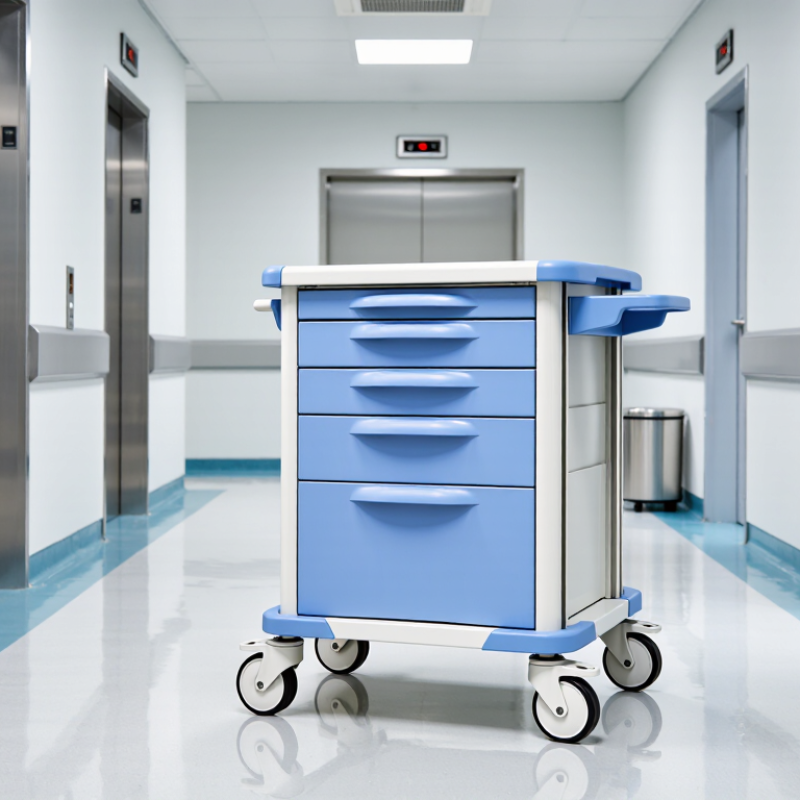
Before choosing a medication trolley, map how medicines move through each care area. Observe a typical round, from storage to bedside and back, rather than relying only on a floor plan. Note who prepares doses, how many people are served, and where interruptions occur. Small details matter. A narrow corridor, a heavy door, or a distant hand-hygiene station can affect the safest route. Record peak workload too; a trolley that suits a quiet morning may feel cramped during evening rounds.
Match the trolley’s layout to these routines. Clearly separated compartments can help staff keep items organized, while drawers should open easily without blocking a walkway. Consider the usual load, including medication containers, records, and basic supplies. Check that the wheels move smoothly and the brakes hold on the facility’s actual flooring. Wipe-clean surfaces can support routine cleaning, but staff should confirm they fit local procedures. Ask the people who use the trolley to trial it during a real shift. The first layout may not be right. Revisit the choice when staffing, room use, or medication routines change.
How to Choose the Best Medication Trolley in China?
Compare Medication Trolley Types and Configurations
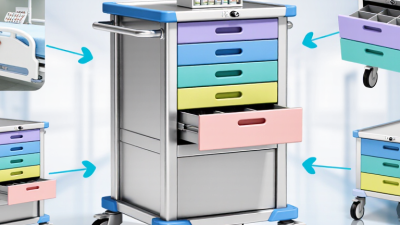
Choosing a medication trolley starts with the task, not the catalogue. A ward-round cart needs secure, clearly divided drawers for routine doses. An emergency trolley needs rapid access to designated equipment and supplies. A treatment trolley may need a work surface, sharps container holder, and space for a computer. Measure corridor widths, lift doors, and bedside clearance before selecting the frame.
Configuration matters as much as trolley type. Shallow, labelled drawers help staff separate items; deeper drawers suit larger packs but can hide small supplies. Check wheel quality and accessible brakes on the actual floor surface. WHO’s 2017 Medication Without Harm initiative cited an estimate that medication errors cost about US$42 billion worldwide each year. This figure covers medication errors broadly; it does not show that a trolley alone prevents them. A tidy cart can still be poorly matched to a unit’s workflow.
Tips: Ask staff to test a loaded trolley on a typical route. Check drawer access, lock operation, cleaning access, and turning space. China’s facilities vary, so verify local dimensions and service needs. The perfect layout is elusive; review it after real use.
| Trolley Type | Typical Configuration | Security and Access | Mobility and Materials | Best Suited For | What to Check Before Buying |
|---|---|---|---|---|---|
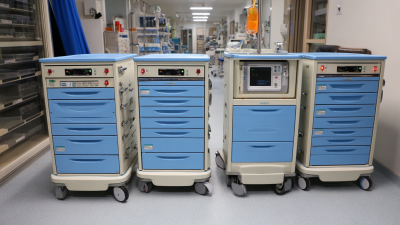
| Ward-round medication trolley | Multiple drawers or bins for organizing medicines by patient, ward, or medication round; may include a worktop and a side storage area. | Common options include a central locking system or separately lockable drawers. Match the locking arrangement to local medication-management procedures. | Usually fitted with swivel castors; some configurations include brakes. Common construction choices include coated steel, stainless steel, and molded components. | Routine medication rounds in hospital wards, nursing facilities, and care settings. | Confirm drawer layout, removable dividers, working height, castor brakes, and whether the trolley fits through ward doors and lifts. |
| Unit-dose medication trolley | Patient-specific drawers, trays, or removable medication cassettes designed to keep doses separated and organized for a scheduled round. | A lockable main cabinet or lockable patient compartments may be available. The trolley supports organization but does not replace required medication checks or documentation. | Typically designed for frequent movement between rooms. Drawer inserts and cassette sizes vary by configuration. | Facilities using patient-specific dose preparation or organized bedside medication rounds. | Check patient-capacity needs, cassette availability, clear labeling areas, cleaning access, and compatibility with the facility’s medication workflow. |
| Controlled-drug trolley or cabinet trolley | A secure compartment or cabinet integrated into a mobile trolley; may be paired with general-purpose drawers for other supplies. | May offer a separate lockable compartment or additional locking points. Required controls depend on applicable regulations and facility policy; verify these before ordering. | Mobile designs are available, but added secure storage can affect trolley weight and usable drawer space. | Clinical areas that need mobile storage for medicines subject to additional access controls. | Confirm compartment dimensions, key or access-management arrangements, audit requirements, and whether the design meets the facility’s security procedures. |
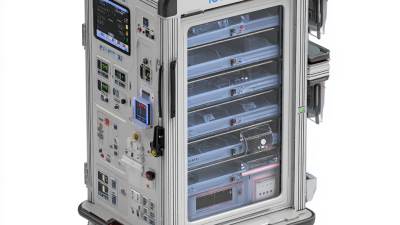
| Medication trolley with a computer workstation | Medication storage combined with a work surface and a mounting point or compartment for a laptop, tablet, or other facility-approved device. | Medication drawers can be lockable; device access and user authentication are handled by the facility’s approved IT systems. | Some configurations include cable routing or space for a power source. Battery-powered equipment, if used, adds charging and maintenance considerations. | Medication rounds that require access to electronic records, barcode workflows, or digital documentation at the point of care. | Check device dimensions, mounting stability, cable management, cleaning access, charging arrangements, and compatibility with local IT and cybersecurity requirements. |
| Treatment trolley | Open or drawer-based storage with a worktop, trays, or holders for commonly used treatment supplies; medication storage may be optional. | Often configured for supply access rather than secure medication dispensing. Add lockable storage if medicines will be kept on the trolley. | May use stainless steel or coated surfaces, depending on cleaning and use requirements. Open shelves allow access but may expose contents to the environment. | Dressing changes, routine procedures, and transport of clinical supplies between care areas. | Decide whether the primary need is medication security or treatment-supply access; assess surface cleanability, shelf edges, and accessory placement. |
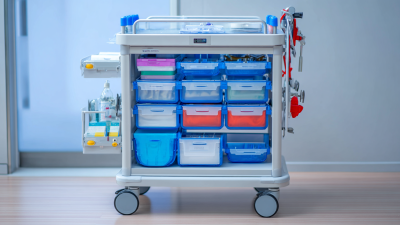
| Emergency trolley | Clearly arranged drawers or compartments for emergency medicines and equipment; may support tamper-evident seals and optional accessory mounts. | A seal can indicate whether a compartment has been accessed, but it is not a substitute for routine inspection, restocking, or access controls. | Designed for rapid access and movement. The castors, brakes, handles, and stability should be assessed for the intended clinical environment. | Emergency response areas where teams need a designated, consistently organized trolley. | Confirm drawer organization, seal compatibility, accessory mounting, visibility of contents, and alignment with the facility’s emergency-checklist procedure. |
| Compact or bedside medication trolley | Smaller footprint with a limited number of drawers or compartments; may include a top tray or a small work surface. | Locking options vary. Select a secure configuration if medicines are stored between rounds or accessible to multiple users. | Compact designs can be easier to maneuver in tight spaces, though they provide less storage capacity than full-size carts. | Small wards, outpatient areas, or locations with restricted storage and circulation space. | Measure the available parking area and access route; check capacity, handle position, turning clearance, and storage needs for a full round. |
Selection note: Configurations vary by supplier and facility requirements. Before purchase in China, confirm the trolley’s actual dimensions, load limits, materials, locking options, castor specifications, cleaning instructions, spare-part availability, and any applicable local procurement or compliance requirements in writing.
When choosing a medication trolley in China, inspect the working surface, not just its finish. Stainless steel can withstand repeated cleaning, while quality polymer may reduce overall weight. Ask for material compatibility and load-test records. Check welded seams, drawer runners, and corners where liquid can collect. Looks are not enough.
Security should fit ward routines. Choose lockable drawers, controlled key access, and clear labels. Test whether staff can open drawers smoothly without exposing other medicines.
The World Health Organization’s 2017 Medication Without Harm report estimates medication errors cost about US$42 billion worldwide each year. That is not a trolley-specific estimate, but it highlights the value of organized, secure storage.
A lock alone cannot fix poor workflow.
Mobility and ergonomics matter during busy shift changes. Test a fully loaded trolley over door thresholds, around bed corners, and into elevators. Confirm the brakes hold and the handle feels comfortable to different users.
The U.S. Bureau of Labor Statistics recorded 2.6 million nonfatal workplace injury and illness cases in private industry in 2023; this figure is not China-specific, but supports taking handling risks seriously.
NIOSH guidance recommends reducing manual handling force and keeping loads manageable. Small details matter. Real ward trials may reveal flaws that showroom demos miss.
When comparing medication trolleys made in China, ask suppliers to identify the Chinese national or industry standards that apply to the specific model. Do not accept a general claim that a product “meets standards.” Request the standard number, edition, test report, and issuing laboratory. Check that the report covers the same materials, dimensions, and configuration you plan to purchase. For clinical use, ask about requirements for cleaning, stability, load capacity, and electrical components, if included. Requirements can vary by design and intended use. Details matter.
Assess supplier reliability through traceable records and a sample inspection. Verify the factory’s business details, production address, quality procedures, and role in manufacturing the trolley. Request drawings and written specifications for materials, drawer-load limits, wheel brakes, and packaging. Then test a sample on a hard floor: load the drawers, push it over a threshold, and engage each brake. Notice rattling, sharp edges, loose handles, or uneven wheels. A certificate helps, but it cannot replace checking the delivered unit. Compare the supplier’s written answers with the contract and keep the approved specifications. One point worth considering: a low price may mean simpler fittings, not necessarily poor workmanship. Ask what has changed before deciding.
How to Choose the Best Medication Trolley in China?
Compare Total Cost, Warranty, and After-Sales Support
A low purchase price can hide costly details. Compare the delivered price, assembly, freight, spare keys, drawer inserts, and replacement casters. Ask for a written quotation with each item listed. A trolley used on a busy ward may need wheel replacement sooner than one used occasionally. Small parts add up.
Check what the warranty covers, and for how long. Does it include drawer slides, locks, brakes, and workmanship, or only the frame? Request the response time in writing, too. Paperwork can look reassuring. It is not the same as support. Confirm whether service is available in your city, who pays shipping, and whether common parts are stocked in China. A vague promise to “assist” is hard to plan around.
Ask for a sample service process before ordering: whom staff contact, what photos or serial details they provide, and how replacement parts are dispatched. If possible, inspect a trolley after repeated drawer use and a turn over a threshold; a showroom roll is not enough. Compare total cost over several years, not only the invoice. I still find this comparison imperfect: repair frequency is hard to predict before a trolley sees real ward use.
| Cookie | Duration | Description |
|---|---|---|
| cookielawinfo-checkbox-analytics | 11 months | This cookie is set by GDPR Cookie Consent plugin. The cookie is used to store the user consent for the cookies in the category "Analytics". |
| cookielawinfo-checkbox-functional | 11 months | The cookie is set by GDPR cookie consent to record the user consent for the cookies in the category "Functional". |
| cookielawinfo-checkbox-necessary | 11 months | This cookie is set by GDPR Cookie Consent plugin. The cookies is used to store the user consent for the cookies in the category "Necessary". |
| cookielawinfo-checkbox-others | 11 months | This cookie is set by GDPR Cookie Consent plugin. The cookie is used to store the user consent for the cookies in the category "Other. |
| cookielawinfo-checkbox-performance | 11 months | This cookie is set by GDPR Cookie Consent plugin. The cookie is used to store the user consent for the cookies in the category "Performance". |
| viewed_cookie_policy | 11 months | The cookie is set by the GDPR Cookie Consent plugin and is used to store whether or not user has consented to the use of cookies. It does not store any personal data. |