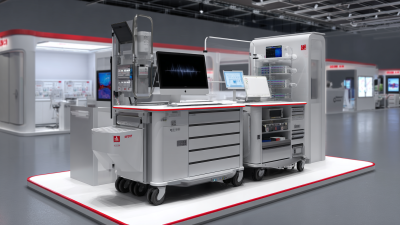
Selecting the right medical computer cart is crucial for healthcare professionals. A well-chosen medical computer cart can streamline workflows and enhance patient care. However, many factors can influence your decision.
Consider your specific needs. Different medical environments require various functionalities. For example, a busy hospital might need a cart with quick mobility and comprehensive storage. In contrast, a smaller clinic could prioritize compactness and ease of use. It's important to identify these requirements clearly before making a purchase.
Quality matters significantly as well. You want a medical computer cart that is durable and reliable. Research various brands and read reviews to gauge performance. Remember, investing in the right equipment can improve efficiency and, ultimately, patient outcomes. Reflecting on your options will lead to a well-informed choice.
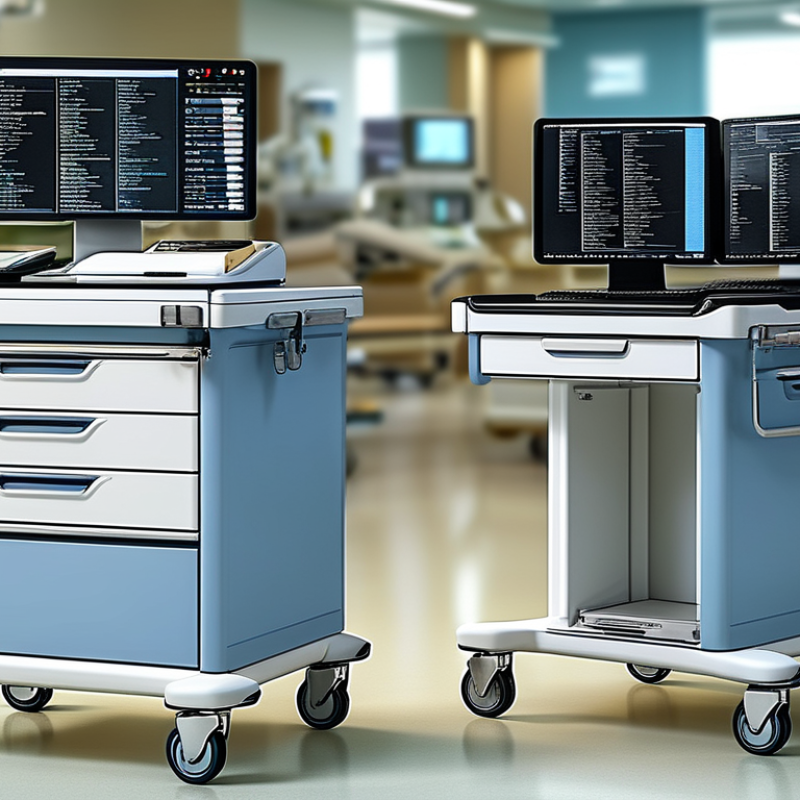
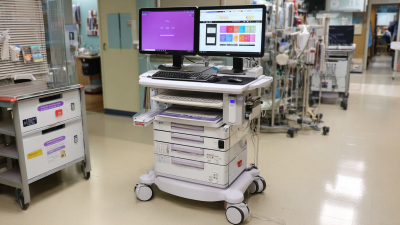
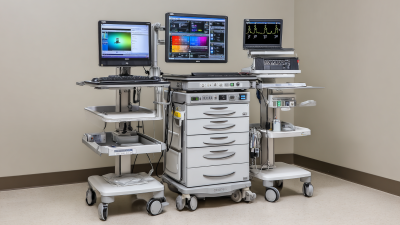
Medical computer carts play a crucial role in modern healthcare settings. These mobile workstations allow healthcare professionals to access patient data, chart information, and medical resources efficiently. The design of a cart significantly impacts workflow, reducing the time spent on administrative tasks. This efficiency is essential, particularly in fast-paced environments like emergency rooms or intensive care units.
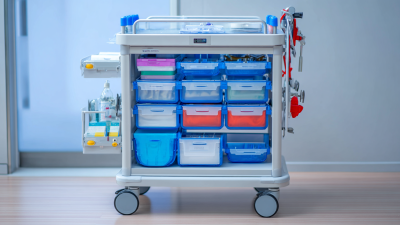
Choosing the right medical computer cart requires careful consideration of both functionality and ergonomics. A well-designed cart should offer ample storage, easy mobility, and adaptability to different workspaces. Healthcare workers often experience physical strain from repetitive tasks. Therefore, carts with adjustable heights can help alleviate discomfort and enhance productivity. Many workers face obstacles with traditional setups, which can lead to frustration and decreased efficiency.
While the benefits of medical computer carts are clear, challenges remain. Not all carts are created equal, and compatibility with electronic health records is often overlooked. Poorly designed carts can hinder access to vital information, leading to potential errors in patient care. Adequate training on proper usage and maintenance of carts is also critical. Ensuring that the staff understands how to navigate these tools can make a substantial difference in their everyday tasks and overall patient outcomes.
When selecting a medical computer cart, it's essential to consider specific needs. Different environments require distinct features. For instance,
emergency departments may need carts with swift mobility and robust storage for essential equipment. On the other hand, outpatient clinics might prioritize lightweight designs for ease of use during patient interactions. Determine whether you need a standing or sit-to-stand option based on your workflow and comfort.
Assessing the technical requirements is crucial. Is Wi-Fi connectivity important for real-time data access? Consider the battery life essential for prolonged use throughout a busy shift. Evaluate usability aspects, such as touch screen responsiveness and the cart's maneuverability in tight spaces. Each detail can impact efficiency and ease, affecting patient care directly.
Reflect on how staff members will interact with the cart. Some designs may look appealing but prove impractical in everyday settings. Involve your team
in the decision-making process, as those who use the cart daily can provide valuable insights. Consider trialing a few options to see which best meets your needs before making a final choice.
Selecting the right medical computer cart involves examining several crucial features. One essential factor is mobility. A survey conducted by the Healthcare Information and Management Systems Society (HIMSS) found that 75% of healthcare professionals prefer carts that allow for easy maneuvering across various hospital settings. Carts equipped with wider wheels and ergonomic handles are often more effective, reducing physical strain on staff.
Another key consideration is the cart’s workspace design. A well-designed workspace maximizes efficiency. Research from the Journal of Medical Systems indicates that 60% of nurses reported improved workflow with carts that offer ample surface area for equipment and documentation. Carts featuring adjustable height are highly beneficial. They cater to both sitting and standing staff, promoting better posture.
Battery life is equally crucial. In a bustling hospital environment, carts must remain operational during long shifts. Data shows that 40% of healthcare providers experience downtime due to insufficient battery life. Investing in carts with robust battery life can mitigate disruptions. Additionally, weighing features like drawer capacity and security becomes vital for safeguarding sensitive information. Balancing these specifications can lead to an optimal choice tailored to specific healthcare needs.
When selecting a medical computer cart, ergonomics and mobility are crucial. A cart designed with comfort in mind can enhance productivity and reduce strain. Look for adjustable heights and features that support natural posture. Medical professionals often spend long hours on their feet. A cart that promotes easy access to equipment can prevent fatigue and improve workflow.
Mobility is equally important. Make sure the cart has sturdy wheels that roll smoothly. A heavy cart can hinder movement, especially in busy hospital corridors. Consider the turning radius as well. A wider cart might be harder to maneuver in tight spaces. Look for carts that allow for easy navigation and quick adjustments.
Reflect on your specific needs. A cart that works for one department might not suit another. Assess whether you need additional storage or a specific layout. Personal experiences can help tailor your choice. Don't hesitate to experiment with different configurations. Finding the right balance between ergonomics and mobility is key for optimal performance in a demanding healthcare environment.
When selecting a medical computer cart, budgeting and brand reputation are critical considerations. Start by determining how much you can afford to invest. Consider features that are essential for your environment. Some carts have advanced capabilities, but a basic model may be sufficient. Aligning your budget with specific needs can help narrow your options.
Brand reputation plays a significant role. Research companies that specialize in medical equipment. Look for feedback from healthcare professionals. Reliable carts often have positive reviews and proven performance. Avoid brands with consistent complaints or complaints that highlight durability issues.
Tips for making the right choice include reviewing warranty options. A strong warranty can indicate manufacturer confidence in their products. Investigate servicing options available in your area as well. Additionally, ensure that the cart you choose can accommodate your existing equipment. Space and mobility should also factor into your decision, as a well-designed cart can enhance workflow and improve patient care efficiency.
This chart displays the user satisfaction ratings for medical computer carts across different price ranges. It highlights how budget-friendly options compare to more premium models in terms of user experience, aiding in decision-making when selecting the right cart for your needs.
| Cookie | Duration | Description |
|---|---|---|
| cookielawinfo-checkbox-analytics | 11 months | This cookie is set by GDPR Cookie Consent plugin. The cookie is used to store the user consent for the cookies in the category "Analytics". |
| cookielawinfo-checkbox-functional | 11 months | The cookie is set by GDPR cookie consent to record the user consent for the cookies in the category "Functional". |
| cookielawinfo-checkbox-necessary | 11 months | This cookie is set by GDPR Cookie Consent plugin. The cookies is used to store the user consent for the cookies in the category "Necessary". |
| cookielawinfo-checkbox-others | 11 months | This cookie is set by GDPR Cookie Consent plugin. The cookie is used to store the user consent for the cookies in the category "Other. |
| cookielawinfo-checkbox-performance | 11 months | This cookie is set by GDPR Cookie Consent plugin. The cookie is used to store the user consent for the cookies in the category "Performance". |
| viewed_cookie_policy | 11 months | The cookie is set by the GDPR Cookie Consent plugin and is used to store whether or not user has consented to the use of cookies. It does not store any personal data. |