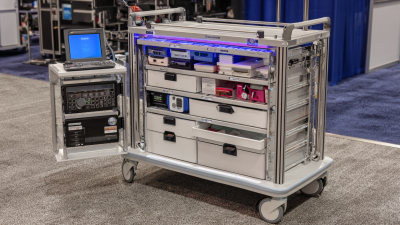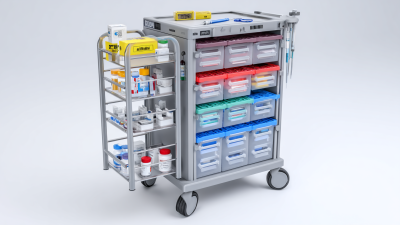
How to Choose a Medical Crash Cart in 2026

A cardiac emergency leaves little time for searching. The American Heart Association’s 2024 Heart Disease and Stroke Statistics report estimates that more than 356,000 out-of-hospital cardiac arrests occur annually in the United States. It also estimates approximately 290,000 adult in-hospital cardiac arrests each year. Seconds matter. A medical crash cart cannot prevent every delay, but its layout, contents, and condition can shape how quickly a team reaches essential equipment.

Choosing a cart for 2026 means looking beyond price and drawer count. Consider how easily staff can move it through crowded corridors, locate supplies under pressure, and check its contents between shifts. Look closely at wheel locks, drawer security, defibrillator placement, oxygen storage, cleaning surfaces, and the availability of replacement parts. A cart that looks organized in a showroom may feel different beside a patient’s bed. That detail matters.

Surgeon and writer Atul Gawande offered a useful principle in Better: “Better is possible. It does not take genius. It takes diligence.” His words address clinical improvement broadly, not crash carts specifically. Still, the idea fits equipment readiness: routine checks and thoughtful design can prevent avoidable friction. No single cart suits every unit. This guide examines the practical questions hospitals and clinics should ask before buying, including workflow, configuration, durability, and maintenance. The answer may be less tidy than a product checklist suggests—and that deserves honest consideration.
How to Choose a Medical Crash Cart in 2026

Define the Medical Crash Cart’s Intended Role and Clinical Setting

Before comparing medical crash carts, define the emergencies the cart must support and where staff will use it. A cart in an intensive care unit may need different supplies and access than one serving a clinic or transport team. Start with local emergency protocols, likely patient needs, and the procedures staff are trained to perform. An adult-focused unit, for example, may require clearly separated airway and circulation supplies. A pediatric setting needs suitable equipment sizes and unmistakable labeling. Small details matter. Measure doorways, elevator thresholds, and the distance from storage to treatment areas; a fully stocked cart is less useful if it cannot reach the patient quickly.

Next, map the workflow around the cart. Note who opens it, who checks its contents, and whether staff need to move it between rooms. Keep frequently used items visible and reachable, while securing less-used supplies so drawers do not become cluttered. Choose a layout that supports quick recognition under pressure, not simply maximum storage. Check wheel performance on the actual floors, and confirm that drawers stay accessible in tight spaces. Do not assume one configuration will suit every department. Real workflows differ. It is easy to overestimate storage needs and overlook routine restocking time, so ask the people who will use and maintain the cart to review the plan before selection.

Assess Required Equipment, Drawer Layout, and Medication Storage

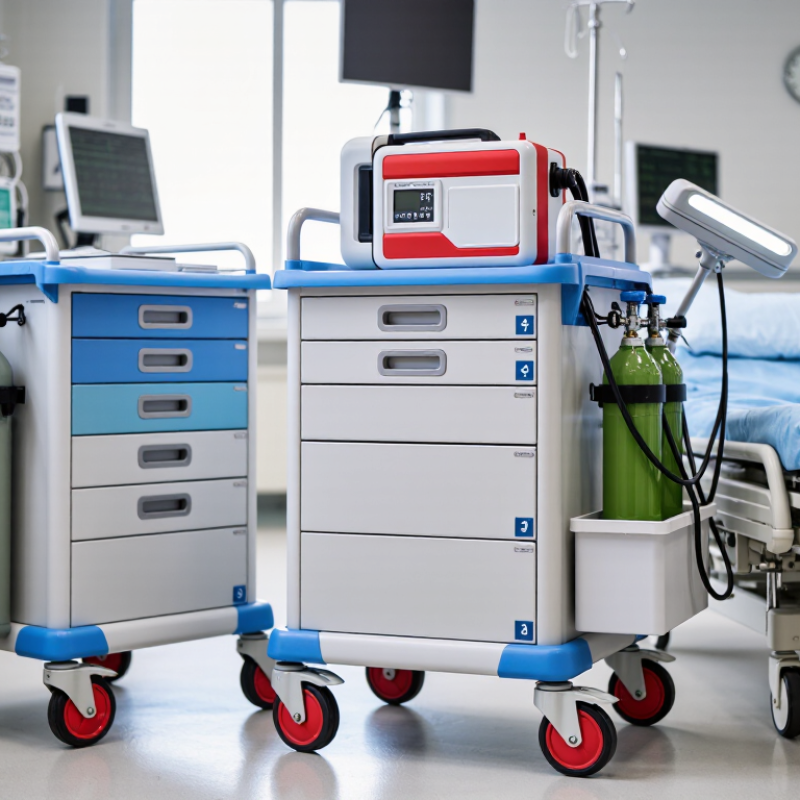
Choose a crash cart around the emergencies your clinical team is equipped to manage. Review current protocols with nurses, physicians, and biomedical staff before selecting equipment. A typical inventory may include a defibrillator, airway supplies, suction equipment, and tools for vascular access. Exact needs vary by care setting. Check that devices fit the cart, remain easy to reach, and can be inspected without unpacking everything. Small details matter: a charger that blocks a drawer can slow access. The first layout may look tidy on paper and still feel awkward during a drill.

Arrange drawers by task, using clear labels and consistent locations across carts. Keep frequently used supplies near the top, while placing heavier items lower for stability. Separate medications from general supplies, and use labeled compartments that make similar-looking packages easier to distinguish. Follow facility procedures for access, security, and storage conditions; check manufacturer guidance for temperature limits. Build routine checks into assigned staff workflows, including expiration dates, seals, and missing items. Drills can reveal practical problems, though they rarely recreate the pressure of an actual emergency. A layout that works for one team may need adjustment after feedback.

How to Choose a Medical Crash Cart in 2026 - Assess Required Equipment, Drawer Layout, and Medication Storage

Assessment Area What to Verify Practical Selection Guidance Example Acceptance Check
Clinical use and local protocols Intended care areas, patient population, expected response team, and applicable resuscitation protocols. Define the cart contents with the clinical team, pharmacy, and biomedical or facilities staff. Requirements can differ by setting and jurisdiction. A documented contents list is approved by the departments responsible for resuscitation and medication management.
Emergency equipment Space and access for the defibrillator or monitor, airway equipment, oxygen-related supplies, suction supplies, and other locally required items. Check compatibility with the facility’s equipment and accessories. Keep frequently used items accessible without obstructing the cart top or handles. Staff can locate and remove the required equipment promptly during a simulated response.
Drawer layout Drawer count, usable dimensions, load capacity, dividers, labels, and visibility of contents. Assign drawers by task or category, using a consistent layout across carts where practical. Use dividers to reduce shifting and mixing of supplies. A staff member unfamiliar with the specific cart can find representative supplies using the labels and layout.
Medication storage Secure storage, organization, access arrangements, and any temperature or light requirements for stocked medications. Agree on medication selection and storage with pharmacy. Use the manufacturer’s storage instructions and facility policy; do not assume all medications have the same conditions. Medication locations and access procedures match the approved medication list and local policy.
Access control and tamper evidence Locking or seal options, emergency access process, and whether seals can be checked during routine inspections. Choose a system that supports the facility’s security procedures while allowing prompt authorized access in an emergency. Staff can identify an intact seal or secured state and know the approved procedure for access and replacement.
Mobility and stability Wheel quality, maneuverability, braking, turning clearance, and stability when drawers are open. Test the loaded cart on the actual routes and floor surfaces where it will be used. Confirm that brakes hold the cart in position. The loaded cart can be moved through planned routes and remains stable with drawers opened as intended.
Power and cable management Any charging needs for devices carried on or stored with the cart, outlet access, cable routing, and trip hazards. Confirm device charging arrangements with biomedical engineering and follow electrical safety requirements. Keep cables clear of wheels and access paths. Devices can be charged as planned without obstructing movement or creating loose-cable hazards.
Infection prevention and cleaning Accessible surfaces, crevices, removable organizers, and compatibility with the facility’s approved cleaning products. Review cleaning instructions and material compatibility before selection. Favor surfaces and layouts that can be inspected and cleaned effectively. Staff can clean the cart according to facility procedures without damaging its surfaces or components.
Inventory checks and restocking Visibility of stock, expiry-date checks, replenishment process, and documentation after use or inspection. Use a standardized inventory checklist and assign responsibility for routine checks and post-use restocking. The cart’s contents can be checked against the approved list, with discrepancies documented and resolved.
Capacity and future needs Available storage after the approved contents are loaded, drawer weight limits, and room for planned equipment changes. Select capacity based on the actual inventory rather than maximum volume alone. Avoid overloading drawers or adding unapproved items. The fully stocked cart stays within manufacturer load limits and leaves required items easy to access.

Note: Crash cart contents, medication requirements, inspection intervals, and access rules vary by facility and jurisdiction. Confirm the final specification with clinical leadership, pharmacy, infection prevention, and biomedical engineering.

Compare Mobility, Security, Durability, and Infection-Control Features

Choosing a medical crash cart in 2026 means balancing quick movement, secure storage, durability, and infection control. Push a fully loaded cart through the actual route, including tight turns and door thresholds. Large, quiet casters and a reliable brake matter when seconds count. Locking drawers and tamper-evident seals help reveal unauthorized access, but opening must remain straightforward during an emergency. Small details matter.

Surfaces deserve equal attention. The World Health Organization’s 2022 global report estimated that 7 in 100 patients in acute-care hospitals in high-income countries acquire at least one healthcare-associated infection. The CDC has also reported that about 1 in 31 U.S. hospital patients has an HAI on any given day. These figures do not measure cart-related infections, but they underline the value of cleanable, smooth surfaces. Look for removable trays, accessible handles, and materials compatible with facility-approved disinfectants. For durability, inspect corner guards, drawer tracks, and replaceable casters. A heavier cart may feel sturdier, yet it can be harder to maneuver. That trade-off deserves a real-world trial.

Tips: Load the cart as staff would use it, then test drawer access, braking, cleaning, and seal checks. Ask frontline users what catches or slows them. Their feedback may be imperfect, but it can expose practical problems before purchase.

Verify Standards, Customization Options, and Staff Compatibility

In 2026, choose a medical crash cart by checking documented standards, not by relying on a sales label. Ask for current conformity records, load ratings, electrical details for powered accessories, and cleaning instructions. Requirements vary by facility and location, so have clinical engineering or procurement verify them against local policy. Inspect drawer locks, wheel brakes, corner guards, and surface finishes; these details matter during repeated cleaning and hurried movement. A certificate alone is not enough. Keep records with the equipment file, and confirm which changes require a new review.

Customization should match the emergency workflow, not simply add more compartments. Map the medications and airway supplies your team uses, then check whether dividers keep items visible and secure when the cart turns sharply. Label drawers in familiar terms, and test access while wearing gloves. Roll the loaded cart through the tightest doorway and around a bed. Check handle height, brake reach, drawer-opening force, and whether the top surface blocks access to controls. Invite staff from different shifts to run a short simulated retrieval. Watch where hands pause. That is revealing. Not just once. Preferences differ, and a layout that suits one unit may slow another. Record feedback, revise the arrangement, and retest with the people who will use it.

Evaluate Total Cost, Maintenance Needs, and Vendor Support

How to Choose a Medical Crash Cart in 2026

Choosing a medical crash cart in 2026 means looking beyond its purchase price. Compare the full cost over its expected service life, including replacement casters, drawer components, seals, and inspection time. A low quote can become expensive if parts are difficult to source or configuration changes require a new cart. Ask vendors for written prices on commonly replaced parts and clarify warranty exclusions. Parts availability matters.

Maintenance should fit the workflow, not just the checklist. Confirm how often brakes, drawer slides, locks, and wheels need inspection. Check whether staff can complete routine checks without special tools. Request a sample maintenance schedule and clear service response targets. Then test the cart on its actual route, including a tight doorway and elevator threshold. Small details matter. A smooth showroom floor may not predict daily use, and that is easy to overlook.

Tips: Before ordering, assign responsibility for inspection records and ask how damaged or missing parts are reported. Confirm that training, manuals, and replacement parts will remain available after purchase. Compare written service commitments, not reassuring promises. Keep room in the budget for accessories and upkeep; the first-year estimate rarely tells the whole story.

How to Choose a Medical Crash Cart in 2026

Estimate the staff time needed for routine crash-cart upkeep before comparing total ownership costs and vendor support.

Planning example, not a universal standard: This estimate assumes a 365-day operating year, a 2-minute daily readiness check, a 15-minute monthly inventory review, and a 30-minute quarterly preventive-maintenance check. Actual schedules and time vary by facility policy, cart configuration, and manufacturer instructions. To compare total cost, add local labor rates, replacement supplies, service fees, warranty coverage, and expected response times.

Go to Top