Hospitals depend on reliable equipment to keep operating rooms organized, responsive, and ready for changing clinical needs. The World Health Organization’s Global Patient Safety Report 2024 estimates that around one in ten patients experiences harm in healthcare, with many incidents considered preventable. This figure describes a broad safety challenge; it does not prove that any single equipment choice prevents harm. Still, it makes dependable workflows worth examining.
A well-chosen surgical trolley can help staff move instruments, supplies, and equipment within reach. In practice, details matter: a wheel that rolls smoothly over a threshold, a handle that is easy to grip, and drawers that open without obstructing nearby staff. The WHO Surgical Safety Checklist study, published in the New England Journal of Medicine in 2009, reported lower complication and death rates after checklist implementation across participating hospitals. That study evaluated a coordinated safety process, not trolley design. The distinction matters.
For this 2026 guide, we compare ten surgical trolleys through practical criteria: construction, mobility, storage, cleaning access, load capacity, and suitability for different clinical settings. Product specifications should always be checked against current manufacturer documentation and local infection-control procedures. A polished finish is not enough. Nor is the longest feature list. The best choice depends on the room, the tasks, and the people using it every day. That can be less tidy than a ranking suggests, and real-world testing may reveal trade-offs a brochure cannot.
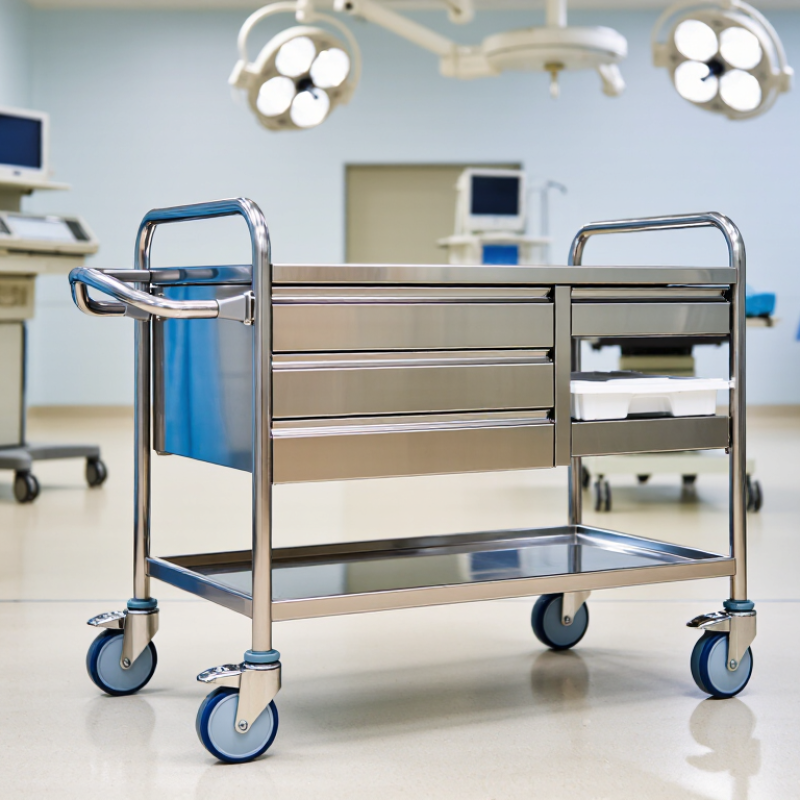
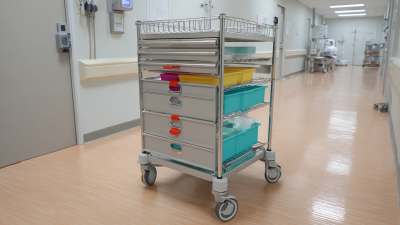
A surgical trolley is more than a surface on wheels. It brings instruments, dressings, and essential supplies close to the care team, reducing unnecessary trips during procedures. Its shelves, drawers, brakes, and handles shape how staff organize work in operating rooms and treatment areas. Clear separation between sterile supplies and used equipment supports safer handling, though a trolley cannot replace proper cleaning or staff training.
The World Health Organization’s 2022 Global Report on Infection Prevention and Control estimates that 7 in 100 patients in high-income acute-care hospitals acquire at least one healthcare-associated infection during care; in low- and middle-income settings, the estimate is 15 in 100. These figures describe a broad clinical risk, not infections caused by trolleys. Still, they underline why cleanable surfaces, orderly storage, and reliable cleaning routines matter. A crowded trolley can hide spills or make supplies harder to reach. Small design details have real consequences.
Tips: Check that wheels roll smoothly and brakes hold before use. Keep clean and used items apart, and follow facility cleaning protocols. A quick visual check helps, but it is not enough on its own. Trolley needs also differ between units, so staff feedback should guide selection.
For 2026, evaluate surgical trolleys against the work they will actually support: sterile supply delivery, instrument staging, or waste collection. Match shelf dimensions and load capacity to the heaviest intended setup, then check stability while turning through narrow corridors. Smooth, sealed surfaces and removable trays can simplify cleaning, but ask staff to test access around handles, joints, and wheel mounts. The CDC reports that about 1 in 31 U.S. hospital patients has at least one healthcare-associated infection on any given day. That makes cleanability a practical selection criterion, not a cosmetic one. Small details matter.
Mobility needs equal scrutiny. Look for quiet, lockable casters that roll reliably over floor transitions, and confirm that brakes are easy to reach without bending. Measure the trolley against doorways, lifts, and storage bays; a generous worktop is little help if it blocks a turn. Check drawer labels, edge guards, and accessory mounts with gloves on. These checks reflect real use, though they cannot replace local infection-prevention review or a hands-on trial. A trolley may meet its load rating yet still feel awkward when fully stocked.
Tips: Ask clinical and environmental-services staff to trial the trolley on a representative shift. Record cleaning time, turning effort, and items that shift or snag. Compare results across models, not just catalogue specifications.
A hospital’s surgical trolley is a mobile work surface, not just a set of wheels. The right type keeps instruments visible, supplies separated, and essential items close to the sterile field. Ten common types serve different tasks: instrument, anesthesia, dressing, emergency, medication, endoscopy, linen, waste, utility, and procedure-case trolleys. Their layouts should match local workflows, cleaning routines, and the equipment staff actually use.
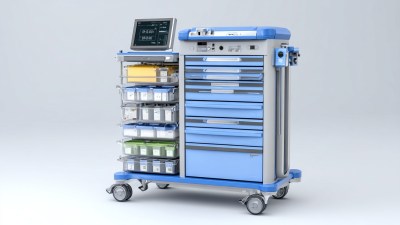
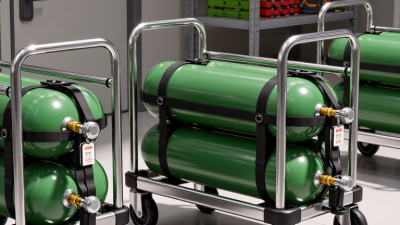
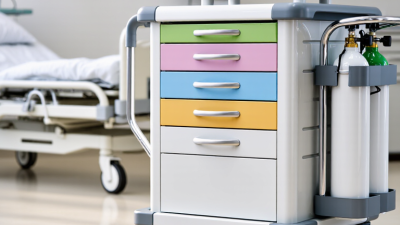
Details matter. Instrument trolleys often need removable trays and raised edges; anesthesia trolleys benefit from clear drawers and secure oxygen-cylinder holders. Dressing and medication trolleys need distinct storage areas, while emergency trolleys should make critical equipment easy to identify. Endoscopy carts may require cable management and space for monitors. Linen and waste carts should keep clean and used materials apart. Utility carts move general supplies, and case carts carry procedure-specific sets. The separation is not always perfect in practice; crowded corridors and rushed handovers can undermine a good layout.
The WHO’s 2022 Global Report on Infection Prevention and Control estimates that 7 in 100 patients in high-income acute-care hospitals, and 15 in 100 in low- and middle-income hospitals, acquire at least one healthcare-associated infection during care. A trolley alone cannot prevent infection, but smooth, accessible surfaces support consistent cleaning. The WHO’s 2024 Global Patient Safety Report also notes that about 1 in 10 patients experiences harm in healthcare. Small design choices deserve attention. Hospitals should assess stability, load capacity, cleanability, and brake performance before selecting a trolley type.
Choosing a surgical trolley means balancing cleanability, strength, mobility, and useful storage. Stainless steel handles frequent cleaning and resists corrosion, while certain coated materials may be lighter. Check seams, corners, and drawer interiors; grime can collect where surfaces meet. Small details matter.
Mobility affects how a trolley behaves in busy corridors and tight operating rooms. Swivel casters help with turns, but wheel locks should hold securely on the floor. Test loaded movement, not just an empty trolley. Drawers, shelves, and removable trays should keep commonly used supplies within reach without blocking access. More storage is not always better: an overloaded cart may be harder to steer, and deep drawers can hide smaller items. Capacity and cleaning requirements should be checked against facility guidance.
Tips: Measure doorways and storage areas before ordering. Confirm the stated load capacity, caster-lock function, and surface-cleaning instructions. Try a typical setup with staff, then review what actually gets used. The first choice may need revisiting. A trolley that fits the room may still disrupt the workflow.
Matching a surgical trolley to its department starts with the work performed there. Operating rooms often need stainless-steel surfaces, sealed edges, and drawers that open smoothly while staff wear gloves. Locking casters help keep a trolley steady beside the surgical field. Check the stated load capacity, too; a crowded top can make even a sturdy unit harder to maneuver.
Emergency departments benefit from compact trolleys with clear drawer labels and quick access to frequently used supplies. On inpatient wards, quieter wheels and secure storage may matter more, especially during overnight rounds. Medication workflows may call for individual locking compartments, while procedure rooms often need adjustable shelves for changing equipment. Small details count. A handle that sits at a comfortable height can reduce awkward reaching during repeated trips.
Materials and layouts should also fit local cleaning routines. Smooth corners and removable bins can make inspection easier, but a feature is only useful if staff can clean it consistently. That sounds obvious, yet it is easy to overlook during purchasing. Department teams should test a loaded trolley through narrow doorways, around bed corners, and over floor transitions before choosing a model. The best fit is not always the most elaborate one. A few drawers may be safer and faster than a complicated layout, though departments sometimes discover this only after daily use.
| Cookie | Duration | Description |
|---|---|---|
| cookielawinfo-checkbox-analytics | 11 months | This cookie is set by GDPR Cookie Consent plugin. The cookie is used to store the user consent for the cookies in the category "Analytics". |
| cookielawinfo-checkbox-functional | 11 months | The cookie is set by GDPR cookie consent to record the user consent for the cookies in the category "Functional". |
| cookielawinfo-checkbox-necessary | 11 months | This cookie is set by GDPR Cookie Consent plugin. The cookies is used to store the user consent for the cookies in the category "Necessary". |
| cookielawinfo-checkbox-others | 11 months | This cookie is set by GDPR Cookie Consent plugin. The cookie is used to store the user consent for the cookies in the category "Other. |
| cookielawinfo-checkbox-performance | 11 months | This cookie is set by GDPR Cookie Consent plugin. The cookie is used to store the user consent for the cookies in the category "Performance". |
| viewed_cookie_policy | 11 months | The cookie is set by the GDPR Cookie Consent plugin and is used to store whether or not user has consented to the use of cookies. It does not store any personal data. |