
A Shiatsu Neck And Back Massager can bring targeted comfort into an ordinary day. Imagine returning home with tight shoulders, then resting against warm, rhythmic pressure across your upper back. Rotating massage nodes may imitate thumb-like movements, while adjustable intensity helps users choose a gentler or deeper experience. The sensation can feel reassuring. Yet comfort varies.
This guide explores why people choose this type of device for relaxation, temporary muscle tension, and personal recovery routines. Shiatsu-inspired massage uses kneading pressure rather than simple vibration. That difference may appeal to users who prefer a more focused touch after desk work, driving, or light exercise. Practical details matter too. A useful model should have clear controls, stable support, washable covers, and an automatic shutoff. Heat can add comfort, but it should remain moderate and carefully monitored.
Experience is valuable, but it is not medical proof. A massager may support relaxation without treating an injury or medical condition. People with unexplained pain, reduced sensation, circulation concerns, pregnancy-related questions, or recent surgery should seek professional advice first. Even healthy users can overuse strong pressure. Start slowly.
This article considers comfort, safety, design, and everyday usefulness with a balanced perspective. It also acknowledges an honest limitation: one device cannot suit every body, chair, or pain pattern. Reading user instructions and checking independent product information can improve decisions. The best choice should feel controlled, comfortable, and appropriate for your needs—not simply powerful.
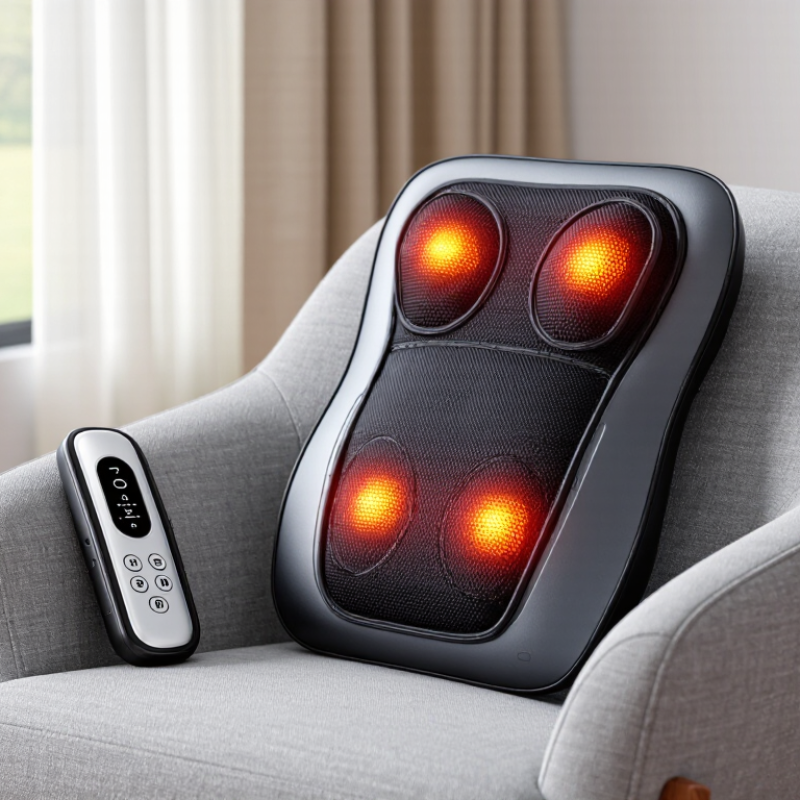
A shiatsu neck and back massager is a handheld or wearable device designed to imitate kneading pressure. Its rotating massage nodes move beneath a fabric cover, pressing muscles around the neck, shoulders, and back. Many models also offer gentle heat or vibration. The goal is simple: recreate the steady, thumb-like motion used in shiatsu-inspired massage.
It is not magic. In practical use, the nodes may ease the heavy feeling that follows desk work, driving, or long periods of standing. A warm session can make tight shoulder muscles feel more comfortable. However, the experience depends on body shape, posture, and pressure tolerance. I find a lower setting easier to control, especially around the neck. Strong pressure may feel helpful at first, but it can become unpleasant quickly.
A reliable user should treat this device as a comfort tool, not medical care. Begin with five to ten minutes and keep the neck relaxed. Avoid pressing directly on the spine, throat, or injured skin. People with unexplained pain, nerve symptoms, recent surgery, or certain health conditions should ask a qualified healthcare professional before use. Even careful guidance has limits. One setting cannot suit every body, and stopping early may be the wiser choice.
Shiatsu massage technology imitates the kneading and pressing actions of a therapist’s thumbs. Rotating nodes travel along the neck and back muscles. Their circular pressure targets areas that feel tight after long desk hours. Many devices add gentle heat to relax superficial muscles. Heat feels comforting, but it does not guarantee deeper recovery.
The mechanism is mainly mechanical stimulation, not magic. Pressure may increase local blood flow and reduce the feeling of stiffness. Rhythm also encourages slower breathing during a session. The World Health Organization reported that 619 million people lived with low back pain in 2020. It projects 843 million cases by 2050. That figure shows the scale of the problem, not proof that massage cures it.
Evidence remains mixed. The National Center for Complementary and Integrative Health says massage may offer short-term relief for some pain conditions. It also notes that research quality and results vary. I would not call a shiatsu massager a treatment replacement. Start with low pressure and short sessions, especially around the neck. Stop if tingling, sharp pain, dizziness, or unusual soreness appears. A useful routine might mean ten minutes after work, with the nodes moving slowly beneath the shoulder blades. The experience can be helpful, though personal response is never perfectly predictable.
A shiatsu neck and back massager can make daily neck and back comfort more manageable. Its rotating nodes imitate kneading pressure, while warmth may help muscles feel less rigid. After hours at a desk, I notice tension around my shoulders and lower back.
Ten to fifteen minutes can feel calming, especially before stretching or sleep. Comfort is often the practical goal, not a dramatic cure.
From a safety perspective, adjustable intensity matters. Gentle pressure suits sensitive days, while stronger settings may feel useful after routine activity. I have learned that “more” is not always better.
A device may ease temporary muscle tightness, but it cannot correct posture, injury, or an underlying condition.
People with persistent pain, numbness, recent surgery, pregnancy-related concerns, or certain medical conditions should ask a qualified clinician before use. Stop if pain, dizziness, or skin irritation appears.
Tips:
Sit upright and keep sessions brief at first. Place a thin layer of clothing between your skin and the massager. Avoid pressing directly over bones, the front of the neck, or swollen areas. Clean the surface regularly. Pair massage with gentle movement and desk breaks. I still sometimes rush this routine, but slower use usually feels more comfortable.
Why Choose a Shiatsu Neck and Back Massager?
Features to Consider Before Choosing One
A useful shiatsu massager should match your body, not simply offer the strongest pressure. Check the neck height, massage-node spacing, and back coverage before buying. Fit matters. The nodes should reach tight muscles without pressing directly on the spine. Adjustable intensity is essential because deep pressure can feel helpful one day and uncomfortable the next. I once assumed stronger settings meant better results, but that was an oversimplification. Gentler movement may suit sensitive users or longer sessions. Heat can add comfort, yet it should include temperature control and automatic shutoff. Warmth should never feel sharp, burning, or difficult to stop.
Controls should be simple. Look for clearly marked buttons, a reachable remote, and a timer that prevents overly long sessions. Breathable, durable fabric is practical, especially when the device touches skin or clothing. Removable covers make cleaning easier, although some materials still collect dust around the seams. Check the power cord length and storage design too. A bulky unit may work well but remain unused in a crowded room. Reliable safety information matters more than dramatic claims. People with unexplained pain, reduced sensation, circulation problems, or recent injuries should ask a qualified healthcare professional before use. A massager offers temporary comfort; it does not diagnose or treat the underlying cause.
| Feature | Why It Matters | Common Specifications | What to Check Before Choosing | Best For |
|---|---|---|---|---|
| Shiatsu Kneading Mechanism | Uses rotating massage nodes to imitate circular kneading pressure and help relax tense muscles. | Usually 2 to 4 rotating nodes per massage head, with clockwise and counterclockwise movement. | Look for smooth rotation, balanced pressure, and nodes that do not pinch the skin. | Users who prefer firm, deep-kneading massage. |
| Neck and Shoulder Coverage | A wider treatment area can address the sides of the neck, upper shoulders, and trapezius muscles. | Adjustable arm loops or handles; coverage varies by user height and shoulder width. | Confirm that the massage heads align comfortably with your neck and shoulder muscles. | People experiencing desk-related neck and shoulder tightness. |
| Back Massage Reach | A longer massage panel can cover the upper, middle, and lower back more effectively. | Many shoulder-style models provide upper-back coverage, while extended designs reach farther down the back. | Check the panel length and whether the nodes can be positioned over the areas you want to treat. | Users who want one device for both neck and back relaxation. |
| Heat Function | Gentle warmth may improve comfort and help loosen stiff muscles during a massage session. | Typically low-temperature therapeutic warmth with a separate on/off control. | Choose independently controlled heat, even temperature distribution, and overheat protection. | People who enjoy warm massage and experience occasional muscle stiffness. |
| Intensity Settings | Adjustable intensity makes it easier to find a comfortable pressure level. | Commonly includes 2 or 3 speed or intensity levels. | Avoid models that feel excessively forceful even at the lowest setting. | Households with different massage preferences. |
| Massage Direction | Alternating direction can create a more varied sensation and help prevent repetitive pressure in one direction. | Clockwise and counterclockwise rotation, either automatically or through a control button. | Check whether direction changes are smooth and easy to operate. | Users who want a more natural-feeling massage pattern. |
| Session Timer | An automatic shutoff helps limit continuous use and improves convenience. | Many devices use an automatic shutoff after approximately 15 minutes. | Select a model with a clearly stated timer and easy restart controls. | Users who want a simple, routine relaxation session. |
| Power Options | The power source determines whether the massager is mainly for home, office, or travel use. | AC adapters are common; some models also include rechargeable batteries or vehicle adapters. | Check cord length, charging time, battery runtime, and compatibility with your intended location. | Home users, office workers, or travelers depending on the configuration. |
| Ergonomic Handles | Handles allow users to control pressure and position the massage heads more accurately. | Soft, adjustable loop handles are commonly used on handheld shoulder massagers. | Ensure the handles are long enough and comfortable to hold without straining the wrists. | Users who want direct control over massage pressure. |
| Material and Cushioning | Breathable fabric and padded surfaces improve comfort during longer sessions. | Common materials include mesh, synthetic leather, foam padding, and textile covers. | Look for durable stitching, smooth edges, and removable or wipe-clean covers. | Frequent users who prioritize comfort and easy maintenance. |
| Noise Level | Quieter operation is less distracting when reading, working, or relaxing. | Noise varies according to motor design, speed, load, and surface contact. | Read independent reviews and check the return policy if sound level is important. | Office users and people who prefer a quiet relaxation environment. |
| Weight and Portability | A lighter design is easier to move, store, and use without tiring the arms. | Neck and shoulder massagers commonly weigh about 1 to 3 kg, depending on construction and battery size. | Balance weight against motor strength, stability, and ease of storage. | Users who move the device between rooms or take it on trips. |
| Safety and User Guidance | Clear instructions help users operate the device responsibly and recognize situations requiring caution. | Instructions should include time limits, cleaning guidance, heat precautions, and contraindications. | People with injuries, reduced sensation, circulation problems, or medical conditions should seek professional advice before use. | All users, especially those with health concerns or sensitivity to heat and pressure. |
Why Choose a Shiatsu Neck and Back Massager?
A shiatsu neck and back massager can fit practical routines. It offers kneading pressure after desk work, driving, or household tasks. I once assumed stronger pressure meant better relief. That was a mistake. Comfortable pressure matters more than intensity. The World Health Organization reports that low back pain affected about 619 million people worldwide in 2020. Massage may support short-term relief, but the National Center for Complementary and Integrative Health notes that research remains limited. A massager should support comfort, not replace medical assessment.
Safe use requires attention. Start with the lowest setting for 5 to 10 minutes. Keep the device on muscles, rather than directly over the spine or the front of the neck. Stop if you notice sharp pain, dizziness, numbness, skin irritation, or unusual weakness. Avoid use on broken skin or areas with reduced sensation. People with recent injuries, nerve symptoms, pregnancy-related concerns, or serious health conditions should ask a qualified clinician first. Read the manual. Small details can prevent poor habits.
Tips: Sit upright and keep your shoulders relaxed. Use a thin layer of clothing if direct pressure feels harsh. Hydrate normally, and leave time between sessions. Do not use the device while sleeping or driving. Track duration and comfort for one week. The result may be modest, and that is worth acknowledging. Consistent, gentle use is usually more sensible than chasing intense pressure.
Safe and Effective Use in Daily Life
This conservative example plan supports gradual daily use: shorter sessions for the neck and longer sessions for the back. Use gentle pressure, keep each session within the device manual’s limits, and stop immediately if you feel sharp pain, numbness, dizziness, skin irritation, or unusual discomfort. Avoid direct pressure on the front of the neck, spine, open wounds, inflamed skin, and areas with reduced sensation. People with significant medical conditions should ask a healthcare professional before use.
The session times shown are practical safety-oriented examples, not universal medical limits.
| Cookie | Duration | Description |
|---|---|---|
| cookielawinfo-checkbox-analytics | 11 months | This cookie is set by GDPR Cookie Consent plugin. The cookie is used to store the user consent for the cookies in the category "Analytics". |
| cookielawinfo-checkbox-functional | 11 months | The cookie is set by GDPR cookie consent to record the user consent for the cookies in the category "Functional". |
| cookielawinfo-checkbox-necessary | 11 months | This cookie is set by GDPR Cookie Consent plugin. The cookies is used to store the user consent for the cookies in the category "Necessary". |
| cookielawinfo-checkbox-others | 11 months | This cookie is set by GDPR Cookie Consent plugin. The cookie is used to store the user consent for the cookies in the category "Other. |
| cookielawinfo-checkbox-performance | 11 months | This cookie is set by GDPR Cookie Consent plugin. The cookie is used to store the user consent for the cookies in the category "Performance". |
| viewed_cookie_policy | 11 months | The cookie is set by the GDPR Cookie Consent plugin and is used to store whether or not user has consented to the use of cookies. It does not store any personal data. |