What Is a Full Face Radiotherapy Mask Used For?
For patients receiving radiation to the head or neck, staying still helps the team deliver treatment as planned. A Full Face Radiotherapy Mask is a custom-fitted thermoplastic shell that supports and gently immobilizes the head and face. The care team molds it while warm, then secures it to the treatment couch. Depending on its design, it may cover the forehead, cheeks, and chin, with openings shaped around the treatment area. That stability matters. It helps staff reproduce the planned position during treatment.
The International Atomic Energy Agency’s 2017 report, Radiotherapy in Cancer Care: Facing the Global Challenge, describes radiotherapy as necessary for about half of cancer patients. That figure reflects radiotherapy’s broad role, not a requirement for a full-face mask. Mask choice depends on the treatment site, planning approach, and the clinical team’s assessment. Some patients use other positioning devices.
The word “full” can sound daunting. In practice, the mask is a positioning aid, not a radiation source, and it does not suit every patient. Its fit should feel secure, not needlessly uncomfortable. Still, a mask cannot prevent every small movement or make every session easy. If pressure, anxiety, or breathing discomfort arises, tell the radiation therapist before treatment begins. Understanding the mask’s purpose—and its limits—can make the process feel less mysterious.
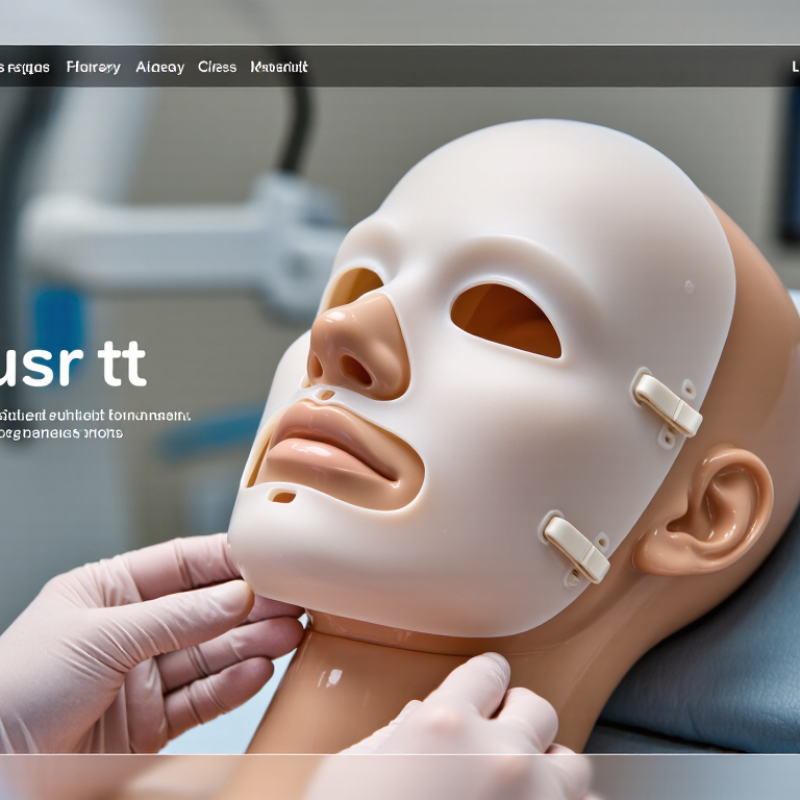
What Is a Full Face Radiotherapy Mask?
A full face radiotherapy mask is a custom-fitted support used to keep a patient’s head and face still during treatment. It is often made from a perforated thermoplastic sheet, warmed until flexible, then gently shaped over the face and secured to the treatment table. Small holes allow air to pass through, and the mask’s design may leave the eyes or mouth more open. The exact coverage depends on the treatment area and clinical plan.
The mask helps the radiotherapy team position the patient consistently for planning scans and treatment sessions. Even slight head movement can affect how accurately radiation reaches the intended area, so repeatable positioning matters. The mask does not deliver radiation; it is an immobilisation device. A close fit can feel strange or restrictive at first. That feeling deserves attention, not dismissal. Tell the radiation therapists if you feel pain, panic, or difficulty breathing, and do not alter the mask yourself. They can check the fit and explain what to expect. Designs and routines vary between clinics, so one person’s experience may not match another’s.
What Is a Full-Face Radiotherapy Mask Used For?
A quick guide to the mask’s role during radiotherapy.
A full-face mask helps hold the head and face in a consistent position for treatment setup. It does not deliver radiation or act as radiation shielding. Mask design and coverage vary by treatment plan.
How Is the Mask Made and Fitted?
A full-face radiotherapy mask is shaped for one person to help keep the head still during treatment. At the planning visit, a radiographer positions you on the treatment couch, often with your head supported in a chosen position. A sheet of heat-softened thermoplastic mesh is placed over your face and gently moulded to its contours. It feels warm, then firms as it cools. Not a one-size fit.
The team checks that the mask sits securely without causing unnecessary pressure. Openings may be shaped around the eyes, nose, or mouth, depending on the treatment plan and the equipment used. You should be able to breathe normally. Tell the radiographer if you feel pain, panic, or restricted breathing; small adjustments may help. The mask is usually attached to the couch support, and imaging is taken with you wearing it so the treatment position can be planned. It can feel strange at first. A close fit is useful, but comfort and clear communication matter too. Fitting methods vary by clinic and treatment area, so your radiotherapy team can explain what to expect in your case.
How Does the Mask Help Position the Patient?
What Is a Full Face Radiotherapy Mask Used For?
How Does the Mask Help Position the Patient?
A full-face radiotherapy mask holds the head and face in a repeatable position during treatment. It is often made from warmed thermoplastic material, shaped gently over the patient’s face and secured to the treatment table. Small openings may allow breathing and communication. The mask should feel snug, not painful.
Once the mask is fitted, staff use its attachment points and room lasers to help align the patient with the treatment plan. They may check marks on the mask and take imaging before treatment to confirm the position. This helps the radiation team aim treatment consistently, even when sessions happen on different days. Small shifts matter. The mask supports positioning, but it does not replace staff checks or imaging. It can feel restrictive at first; that reaction deserves attention, not dismissal.
Tips: Tell the radiation team if you feel pressure, pain, or anxiety before treatment starts. Try to keep your head relaxed and still while the mask is fitted. If the fit changes or feels loose, let staff know. It is not perfect, and comfort can vary from person to person.
What Is a Full Face Radiotherapy Mask Used For? - How Does the Mask Help Position the Patient? | Topic | How the Mask Is Used | Why It Matters |
| Main purpose | A custom-fitted thermoplastic mask helps keep the patient’s head and, when included in the treatment setup, neck still during radiotherapy. | Reducing movement helps the treatment team reproduce the planned position for each session. |
| Creating the fit | The softened mask material is shaped to the patient’s contours and allowed to cool and become firm. The mask is made for the individual treatment setup. | A close, consistent fit helps limit changes in head position. The mask should feel secure, but it should not cause avoidable pain or breathing difficulty. |
| Positioning on the treatment couch | The mask is attached to a compatible base or indexing system on the treatment couch. The care team aligns the patient using the planned setup and positioning references. | Securing the mask to the couch helps the team return the patient to a repeatable position. |
| Alignment marks and planning | Marks or reference points may be used with the treatment plan to guide setup. Planning scans are taken in the intended treatment position. | These references help connect the patient’s setup at treatment to the position used for planning. |
| Position checks | The team may use image guidance, such as treatment-room imaging, to check the patient’s position and make adjustments before treatment. | The mask supports immobilization; it does not replace the team’s positioning checks or imaging procedures. |
| Full-face coverage | A full-face design provides contact over more of the face than an open-face design. The type of mask selected depends on the treatment area and clinical setup. | Coverage is chosen to provide the immobilization needed for the individual plan while allowing the treatment team to deliver care safely. |
| What the mask does not do | The mask is a positioning and immobilization device, not a shield that blocks the treatment radiation. | Radiation delivery is planned and controlled by the treatment team and equipment. |
| Patient comfort and safety | Patients should tell the radiation therapy team if the mask feels too tight, causes pain, or makes breathing difficult. The team can assess the fit and explain what to expect. | Comfort concerns should be addressed before treatment; patients should follow their care team’s instructions during each session. |
Which Radiotherapy Treatments Use a Full Face Mask?
A full-face radiotherapy mask may be used during external-beam treatment when precise positioning of the head and face is important. It is most commonly considered for cancers in the head and neck, including areas such as the nose, sinuses, mouth, throat, and facial bones. The mask helps limit movement between treatment sessions. Even a small shift can matter when radiation is aimed close to sensitive structures.
Some patients receiving treatment for brain, skull-base, or upper-face tumours may also need a full-face mask, depending on the treatment plan. Not every case. The mask type depends on the target area, the planned radiation technique, and how well a patient can remain still. A radiation therapist typically checks the fit and positioning, while imaging may help confirm alignment before treatment.
Fit matters. It should feel secure, not painfully tight; tell the care team if pressure, anxiety, or breathing discomfort occurs.
The distinction between a full-face and partial mask can feel less tidy in practice, so the treating team can explain why a particular design suits the individual plan.
What Can Patients Expect When Wearing the Mask?
What Is a Full Face Radiotherapy Mask Used For?
What Can Patients Expect When Wearing the Mask?
A full-face radiotherapy mask helps keep the head in a consistent position during treatment. At a fitting appointment, staff may soften a perforated thermoplastic sheet in warm water, then gently shape it over the face and head. It cools and firms in place. The material may feel close-fitting, and the process can seem unusual. That is understandable.
During treatment, the mask is secured to the table. You may hear the machine move around you, but treatment itself is usually painless. The room may feel quiet, and you will need to lie still for several minutes. Staff can see and hear you, and they will explain how to signal if you need help. The exact fit and appointment routine vary by treatment plan.
Tips: Wear comfortable clothing and ask the team to explain each step before fitting. Tell them if you feel anxious, short of breath, or uncomfortable; adjustments or breaks may be possible. Do not loosen the mask yourself. A small detail can matter: mention pressure, even if it seems minor.