How to Use an Isolation Cart for Safe and Efficient Medical Practices
In the ever-evolving landscape of healthcare, the need for optimized safety protocols is paramount. An essential tool that enhances both safety and efficiency in medical practices is the isolation cart. These specialized carts are designed to streamline the process of managing infectious materials, ensuring that healthcare providers can deliver care without compromising their safety or that of their patients. Dr. Emily Carter, a leading expert in infection control, emphasizes the significance of isolation carts by stating, "Utilizing isolation carts not only helps in infection prevention but also supports the overall workflow in high-risk areas."
Effective use of isolation carts can significantly impact patient outcomes and healthcare environments, especially during outbreaks or when handling patients with communicable diseases. Equipped with targeted supplies, these carts facilitate quick access to necessary items while maintaining hygienic protocols. By implementing proper strategies in the usage of isolation carts, medical practitioners can enhance their readiness and efficiency, ultimately fostering a safer healthcare setting. Understanding the pivotal role of these carts in medical practices will enable teams to respond more adeptly in critical situations and uphold high standards of patient care.
Understanding the Purpose and Importance of Isolation Carts in Healthcare
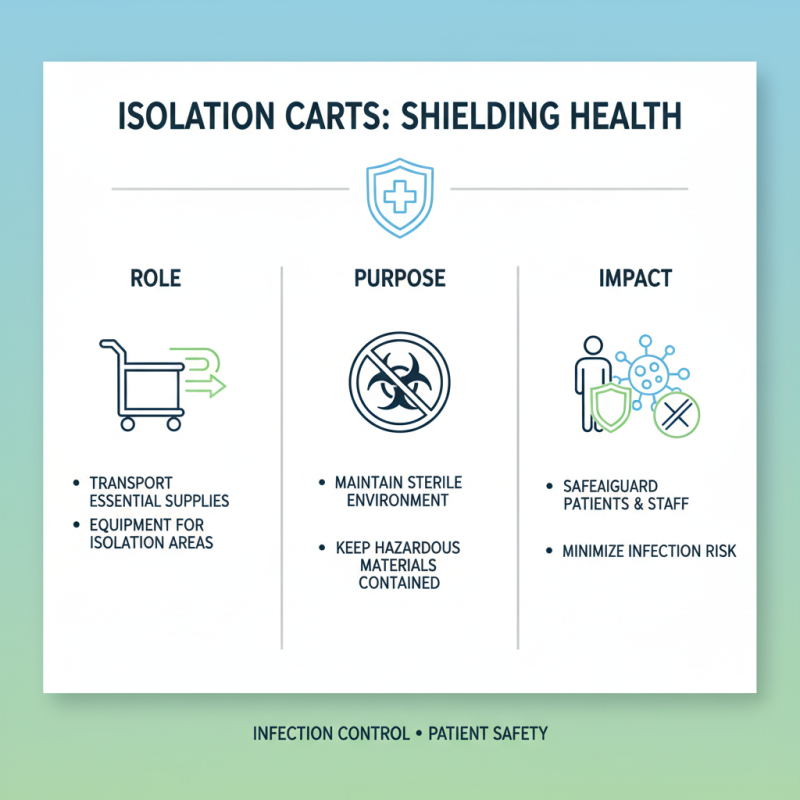
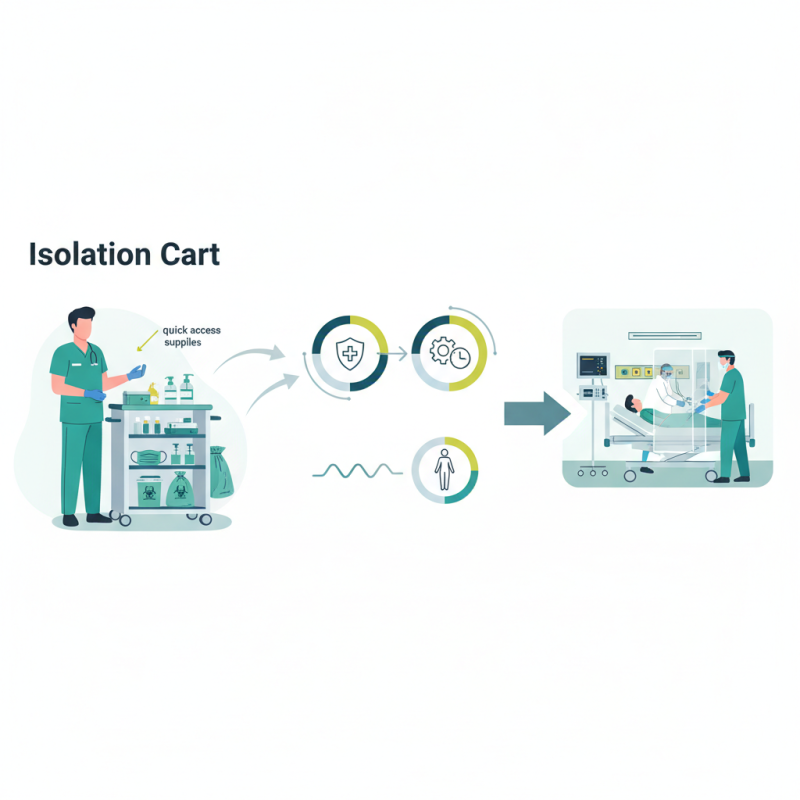
Isolation carts play a crucial role in healthcare settings, particularly when it comes to infection control and patient safety. These specialized carts are designed to transport essential supplies and equipment needed in isolation areas, ensuring that healthcare providers can deliver effective care while minimizing the risk of contamination. The purpose of an isolation cart is to maintain a sterile environment by keeping potentially hazardous materials contained, thereby safeguarding both patients and medical staff from infections that could spread easily in a clinical setting.
The importance of isolation carts extends beyond merely holding supplies; they are integral to the protocols that govern infection prevention. By centralizing the necessary tools for isolation protocols, these carts facilitate quicker responses during patient treatment. Their design allows for easy access to personal protective equipment (PPE), cleaning agents, and other vital items that are essential for maintaining hygiene. In doing so, isolation carts not only streamline processes but also enhance the overall efficiency of medical practices, ultimately contributing to better patient outcomes and a safer healthcare environment.
Key Features and Components of Effective Isolation Carts
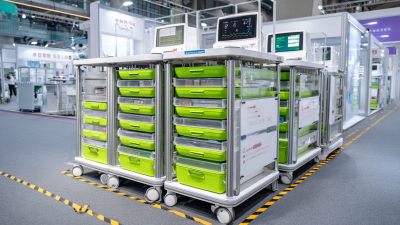
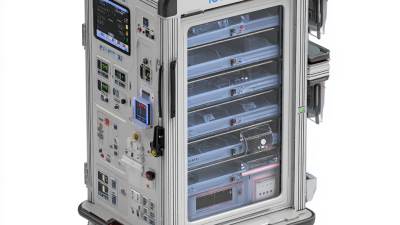
An effective isolation cart is critical in maintaining hygiene and safety in various medical practices, particularly in environments where infection control is paramount. Key features of an effective isolation cart include clear segmentation for materials, ensuring that infected and non-infected items are stored separately. The design should facilitate easy access to high-demand supplies, such as personal protective equipment (PPE), disinfectants, and sterilizing agents. Additionally, the cart should be mobile, equipped with wheels that lock in place to prevent unintended movement during procedures.
Another critical component is the presence of biohazard waste disposal options within the cart. This allows for the immediate disposal of any contaminated materials, reducing the risk of cross-contamination. Visibility is also crucial; a well-organized isolation cart should have labeled compartments and transparent bins to allow quick identification of essential items. Furthermore, durability and ease of cleaning are essential features, as the cart must withstand frequent disinfection procedures while maintaining its structural integrity in a high-stakes medical environment. By incorporating these features, an isolation cart can greatly enhance the safety and efficiency of medical practices.
Step-by-Step Guide to Setting Up an Isolation Cart for Medical Use
Setting up an isolation cart for medical use is essential for ensuring effective infection control in healthcare settings. The first step involves selecting an appropriate cart that is easy to maneuver and equipped with adequate storage. The cart should be designed to hold all necessary supplies while maintaining a compact profile. Once chosen, designate a specific location for the cart to ensure easy accessibility and optimized workflow during medical procedures.
Next, organize the supplies systematically. Essential items for the isolation cart typically include personal protective equipment (PPE), disinfectant wipes, sterile supplies, and waste disposal bags. Clearly label each compartment to facilitate quick access during high-pressure situations. Additionally, ensure that hand hygiene supplies, such as hand sanitizers, are easily accessible. Regularly check and restock items on the cart to prevent shortages and maintain readiness for isolation procedures.
Finally, conduct training sessions for all staff members who will use the cart. Familiarizing the team with the layout, equipment, and proper usage protocols enhances efficiency and safety. Continuous training and practice will not only bolster confidence among healthcare workers but also promote a culture of safety within the facility. By following these steps, an isolation cart can serve as an effective tool in implementing safe and efficient medical practices.
Best Practices for Maintaining and Sanitizing Isolation Carts
Isolation carts play a crucial role in maintaining safety and efficiency in medical settings, especially when dealing with potentially infectious materials. To ensure that these carts facilitate proper infection control, maintaining and sanitizing them is essential. According to the World Health Organization, proper cleaning and disinfection of medical equipment is vital to prevent hospital-acquired infections, with studies indicating a reduction in infection rates when cleaning protocols are strictly followed.
To maintain isolation carts effectively, it is vital to establish a regular cleaning schedule. High-touch surfaces should be cleaned and disinfected after each use, while thorough cleaning should be performed on a daily basis. Utilizing appropriate disinfectants that are effective against a broad range of pathogens can significantly reduce the risk of cross-contamination. Additionally, training staff on proper sanitization techniques and the importance of adherence to protocols is crucial.
Tip: Always label cleaning supplies and ensure they are easily accessible near the isolation cart to promote quick and effective cleaning.
Furthermore, inspecting isolation carts regularly for damage is key to maintaining their functionality. Any broken components should be repaired or replaced promptly to avoid compromising the cart’s ability to transport medical supplies safely. Keeping track of inventory levels and ensuring that all necessary supplies are stocked will facilitate ready access to materials when needed, further enhancing workflow efficiency in medical settings.
Tip: Implement a checklist system for regular inspections and inventory verification to ensure nothing is overlooked during maintenance.
Training Medical Staff on the Proper Use of Isolation Carts
Training medical staff on the proper use of isolation carts is crucial for enhancing safety and efficiency in healthcare settings. According to a report by the World Health Organization, effective training can reduce the risk of healthcare-associated infections by up to 30%. Isolation carts are essential in containing pathogens and preventing cross-contamination, especially in environments where patients are isolated due to infectious diseases. Therefore, providing staff with comprehensive training on how to utilize these carts can significantly improve compliance with safety protocols.
Training programs should include hands-on demonstrations and simulations to ensure that staff are familiar with the various elements of isolation carts, such as personal protective equipment (PPE) storage, waste disposal components, and hygiene supplies. The Centers for Disease Control and Prevention highlights that an informed team is better equipped to make quick decisions in high-pressure situations, reducing the chances of error.
Furthermore, regular refreshers and assessments can help maintain high standards in the use of isolation carts. By investing in ongoing education, healthcare facilities can foster a culture of safety that protects both patients and staff from potential risks associated with infectious diseases.