Top Endoscopic Instruments for Medical Professionals Worldwide?
In the field of modern medicine, Endoscopic Instruments play a crucial role. These tools allow for minimally invasive procedures, enhancing patient recovery and reducing complications. Medical professionals worldwide rely on precise and advanced endoscopic instruments to perform diagnoses and treatments.
The variety and sophistication of these instruments can be overwhelming. Surgeons often face the challenge of selecting the right tools for specific procedures. This choice can significantly impact patient outcomes and procedural success. Inadequate knowledge about the latest developments may hinder effectiveness and safety during surgeries.
Collaboration and training are vital for maximizing the potential of endoscopic instruments. Continuous education is necessary to keep medical professionals updated on innovations. Learning from experiences and mistakes can lead to better usage and patient care. The effectiveness of endoscopic procedures often depends on the practitioner’s skill and familiarity with the tools. The journey to mastery is ongoing, a reflection of the commitment to patient well-being.
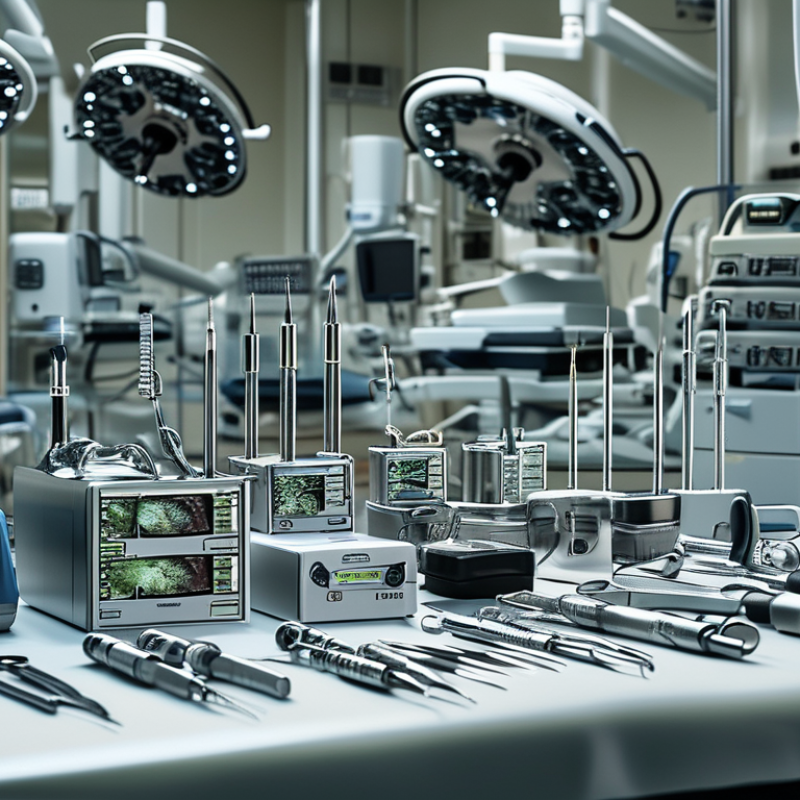
Overview of Endoscopic Instruments in Modern Medicine
Endoscopic instruments have transformed modern medicine, enhancing procedures and patient outcomes. These tools enable physicians to visualize internal organs with minimal invasiveness. Their precision reduces recovery time and improves overall patient experiences. However, mastering these instruments requires substantial training and practice.
Tip: Always prioritize the sterilization of instruments. Contaminated tools can lead to serious infections. Develop a routine for quality checks before each procedure.
Endoscopy has various applications, from gastrointestinal issues to cardiovascular evaluations. Each instrument has a specific role, such as scopes, forceps, and suction devices. Understanding their proper use is crucial for effective patient care. Yet, not all practitioners feel confident in their skills. Continuous education and practice are necessary to maintain proficiency.
Tip: Join workshops that focus on new techniques. Staying updated with advancements in endoscopy ensures comprehensive care. Engaging with peers can also provide fresh perspectives and insights.
Key Features of Top Endoscopic Instruments for Medical Use
Endoscopic instruments play a crucial role in modern medical practices. They allow for minimally invasive procedures, improving patient outcomes and recovery times. Key features of top endoscopic instruments include precision, versatility, and ease of use. Precision ensures that medical professionals can navigate delicate areas within the body. Versatility allows for various procedures, from diagnostics to complex surgeries.
Another important feature is the ergonomic design of these tools. They must be comfortable for prolonged use, minimizing fatigue for the surgeon. Many instruments come with enhanced visualization capabilities. High-definition cameras and integrated lighting elevate the clarity of the procedure. This advancement significantly reduces the risk of complications.
However, not all endoscopic instruments are created equal. Medical professionals may find inconsistencies in quality and performance. It is vital to assess effective usability over time. Regular feedback from users can highlight limitations. Reflecting on these aspects can lead to improvements in both design and functionality. Continuous education and training are necessary to keep up with evolving technologies in this field.
Market Trends: Growth of Endoscopic Instrumentation (2020-2025)
The endoscopic instrumentation market is witnessing significant growth from 2020 to 2025. Technological advancements are a driving force. New techniques streamline procedures and enhance patient outcomes. Medical professionals are keen on adopting these innovations for better efficiency.
Recent trends indicate a shift towards minimally invasive surgeries. This approach reduces recovery times and hospital stays. However, not all facilities can access advanced tools. There’s a disparity in availability, particularly in rural areas. This gap raises concerns about equal healthcare access.
Training and expertise play crucial roles in this field. Professionals must stay updated on the latest techniques. There's always room for improvement in skill application. Regular workshops and certifications are essential to maintain high standards. Innovation must be matched with adequate training for effectiveness. Continuous learning enhances reliability and trustworthiness in using these instruments.
Top Endoscopic Instruments for Medical Professionals Worldwide
| Instrument Type | Market Growth (2020-2025) % | Global Demand (Units) | Major Regions |
| Video Endoscopes | 8.5% | 500,000 | North America, Europe |
| Endoscopic Accessories | 7.3% | 300,000 | Asia-Pacific, Middle East |
| Robotic Endoscopy Systems | 12.1% | 120,000 | North America, Europe |
| Flexible Endoscopes | 9.0% | 400,000 | North America, Asia-Pacific |
| Capsule Endoscopes | 6.5% | 200,000 | North America, Europe, Asia-Pacific |
Comparative Analysis of Endoscope Types: Rigid vs. Flexible
Endoscopy is a crucial diagnostic tool in modern medicine. Medical professionals often choose between rigid and flexible endoscopes based on specific needs. Rigid endoscopes are typically used for surgical procedures. They offer stability and precision during interventions. According to a report by Research and Markets, the rigid endoscope market is expected to grow significantly in the coming years, driven by advances in technology and increasing surgical procedures. However, these instruments can be uncomfortable for patients and require greater skill to operate.
In contrast, flexible endoscopes provide versatility. They can navigate complex anatomical structures, making them ideal for diagnostic procedures. A study by the American Society for Gastrointestinal Endoscopy noted that flexible endoscopes have improved patient comfort and reduced recovery times. Yet, they face issues such as increased risk of infection and higher maintenance costs. Professionals must weigh these factors when selecting the appropriate tool for their practices.
Tips: Always ensure that your endoscopic instruments are properly sterilized. This reduces the risk of infection significantly. Consider the type of procedure you are performing to choose the best endoscope. Sometimes, the right choice is not always the most popular one. Balancing comfort and efficiency is key.
Innovations in Endoscopic Technologies: AI and Automation in Surgery
In recent years, endoscopic technologies have undergone significant transformations. The integration of artificial intelligence (AI) and automation has changed the surgical landscape. These innovations enable enhanced precision, allowing surgeons to perform complex procedures with greater control. AI algorithms assist in real-time image analysis, facilitating quicker decision-making during surgeries.
Improved visualization is a key feature of modern endoscopic instruments. High-definition cameras deliver crisp images, aiding in the identification of subtle abnormalities. However, reliance on technology raises questions. Surgeons must ensure they interpret these images accurately and do not overlook critical findings. While automation can ease the physical burden, it may also create challenges. Training remains essential to prevent over-dependence on these advanced tools.
The potential for errors still exists. Automated systems can malfunction or misinterpret data. Surgeons should remain vigilant and maintain their skills. Continuous education is crucial in this evolving field. Balancing innovation with traditional techniques is essential for optimal patient outcomes. It's vital to embrace change while acknowledging the need for human expertise in the operating room.