Top Anesthesia Cart Trends for 2026 What Buyers Need to Know?
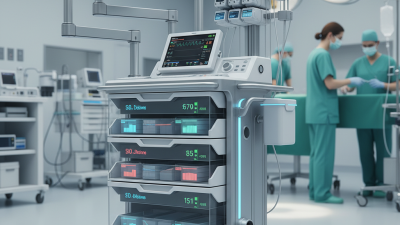
In the ever-evolving landscape of healthcare, the importance of an anesthesia cart cannot be overstated. These mobile units play a crucial role in delivering safe and effective anesthesia during surgical procedures. With advancements on the horizon, buyers need to be well-informed about the latest trends for 2026. Understanding these trends can lead to better purchasing decisions.
The demand for more efficient and organized anesthesia carts is growing. Hospitals are seeking options that enhance workflow and improve patient safety. A focus on ergonomics is influencing design, making carts easier for staff to maneuver. Additionally, technology integration is a key consideration. Advanced features, such as automated systems, are becoming common. However, not every innovation meets the needs of every facility.
Buyers should remain skeptical and critical when assessing new products. While some trends promise major benefits, others may not deliver as expected. It’s essential to reflect on the specific needs of your healthcare setting. The right anesthesia cart can streamline workflow and ultimately enhance patient care. But navigating these choices requires diligence and discernment.
Key Features to Look for in Anesthesia Carts by 2026
In 2026, the landscape of anesthesia carts is expected to embrace significant advancements. Healthcare providers will prioritize features that streamline workflow and enhance patient safety. Key elements include modular designs that adapt to different environments and easy access to emergency medications. A report from the Healthcare Technology Report indicated that more than 75% of anesthesiologists favor carts with customizable compartments for better organization.
The integration of technology is paramount. Anesthesia carts should feature smart connectivity options, such as RFID tracking to prevent medication errors. According to a recent industry survey, 68% of healthcare professionals noted that digital capabilities significantly improved operational efficiency. Thus, buyers should consider purchasing carts that support integration with hospital management systems.
When evaluating anesthesia carts, it’s essential to reflect on the user experience. Many carts can become cluttered, which can lead to inefficiencies. Regular evaluation of the cart’s layout and contents may help in identifying wasted space. A focus on lightweight materials can also enhance maneuverability. Buyers need to ensure they are investing in equipment that meets both current and future needs, especially as clinical demands evolve.
Innovative Technologies Enhancing Anesthesia Cart Functionality
As we look toward 2026, the landscape of anesthesia carts is evolving. Innovative technologies are shaping how these carts function in clinical settings. Enhanced connectivity features have emerged, allowing healthcare professionals to access patient data instantly. This vital information decreases response times and increases the safety of anesthesia administration.
Smart inventory management systems are also gaining traction. These systems automatically track supplies, alerting staff when stock levels are low. Streamlining inventory means that essential items are always available during critical moments. However, adopting such technologies comes with challenges, including staff training and system integration. Not all teams may adapt smoothly, posing a risk to workflow efficiency.
Another trend involves incorporating telemedicine capabilities into anesthesia carts. This feature enables remote consultations, providing doctors access to specialists when needed. While promising, it raises concerns about data security and patient privacy. The potential benefits warrant careful consideration, underscoring the need for ongoing evaluation of these advancements. The continuous evolution of anesthesia carts points to a future where technology and human expertise must work hand in hand.
Top Anesthesia Cart Trends for 2026
Design Trends Shaping the Future of Anesthesia Workstations
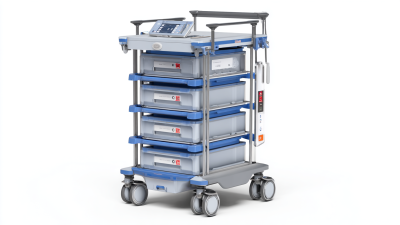
As we look to 2026, the design trends for anesthesia workstations are evolving rapidly. Functionality, ergonomics, and technology integration are key factors driving these changes. Anesthesia carts are increasingly being designed to enhance workflow efficiency. Features like adjustable heights and modular designs allow for more customized usage. Improved visibility of medical supplies is crucial for ensuring quick access during critical moments.
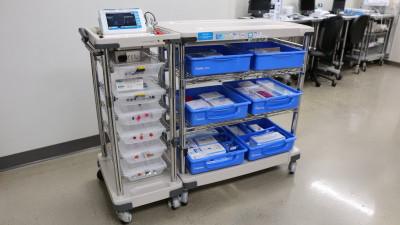
Innovative storage solutions are being incorporated into modern carts. Shelving systems that can be easily reconfigured support the diverse needs of healthcare settings. Incorporating smart technology, such as touchscreens and integrated monitoring systems, is on the rise. These advancements not only streamline operations but also enhance patient safety and care quality.
When choosing an anesthesia cart, consider the space available. A cart that maximizes storage without overwhelming the workspace is ideal. Assess how often supplies will be accessed, tailoring the design accordingly. Keep in mind, not all designs work for every procedure. It's vital to reflect on the specific needs of your medical team. A thoughtful approach to design can significantly improve operational efficiency in anesthesia practices.
Safety and Compliance Considerations for Modern Anesthesia Carts
When considering modern anesthesia carts, safety and compliance are critical. Today’s healthcare environment demands that these carts meet strict standards. Manufacturers focus on design elements that enhance patient safety. For example, clear labeling of medications and tools reduces the risk of errors. Compliance with regulatory guidelines helps ensure that anesthesia carts are safe to use in various settings.
Training staff is equally important. Employees must understand how to use the carts effectively. Regular training sessions promote familiarity with the equipment. However, even well-designed carts can pose risks if not used correctly. It is vital for healthcare teams to reflect on their practices regularly. Assessing how carts are stocked and accessed can reveal gaps in safety.
User feedback also plays a crucial role in ensuring compliance. Regularly collecting insights from medical staff can identify potential safety issues. While current carts may be advanced, ongoing evaluation is necessary. Technology continues to develop, and so should our approach to safety and compliance in anesthesia.
Budgeting and Cost Factors for Buyers of Anesthesia Carts in 2026
Choosing the right anesthesia cart is a crucial decision for healthcare facilities in 2026. Budgeting plays a significant role in this process. The price range for anesthesia carts varies widely based on features and technology. Basic carts may start at lower prices, while advanced models can exceed expectations. This discrepancy affects how hospitals allocate their budgets.
Understanding cost factors is essential. Buyers need to consider not just the upfront costs but also long-term expenses. Maintenance and potential upgrades can add to the overall expenditure. Additionally, factors like storage space and weight distribution should not be overlooked. These elements influence both functionality and price.
Buyers often face challenges in determining the best value. Many carts offer various features, leading to confusion. It's vital to request demonstrations and gather user feedback. Real-world usage can unveil both strengths and weaknesses in different models. It's wise to seek input from staff members who will use these carts daily. Such collaboration can lead to better purchasing decisions that align with actual needs.
Top Anesthesia Cart Trends for 2026: Budgeting and Cost Factors for Buyers
| Trend |
Projected Cost (USD) |
Key Features |
Buyer Considerations |
| Sustainable Materials |
$1,200 - $1,500 |
Eco-friendly construction, recyclable components |
Long-term cost benefits, environmental impact |
| Smart Technology Integration |
$1,800 - $2,300 |
Real-time data tracking, remote access capabilities |
Training requirements, potential for operational change |
| Ergonomic Design |
$900 - $1,200 |
Adjustable heights, user-friendly layout |
Improved staff comfort, reduced injury risks |
| Customizability |
$1,000 - $1,800 |
Modular components, personalized configurations |
Specific needs of different departments, higher costs |
| Integrated IT Solutions |
$1,500 - $2,000 |
Compatibility with hospital software, data management tools |
IT support, ongoing software updates |