Top Tips for Sourcing Quality Botanical Extracts Globally?
In the quest for high-quality Botanical Extracts, global sourcing presents numerous challenges. Companies often navigate a complex web of suppliers, regulations, and varying quality standards. Understanding the diverse landscapes of botanical materials is essential for success. Many businesses overlook the importance of reliable sourcing and end up with subpar extracts.
Quality botanical extracts are vital in industries like cosmetics, food, and health supplements. They can significantly influence the efficacy and safety of final products. However, sourcing these extracts requires more than just finding suppliers. Relationships, certifications, and sustainability practices play crucial roles. Companies must assess their suppliers' reputations and authenticity.
Choosing the right botanical extracts is not merely a business decision but a commitment to quality and trust. There will always be challenges, such as fluctuating supply chains and no uniform quality control. Recognizing these potential pitfalls can help businesses reflect on their sourcing strategies. The goal is to ensure that the extracts are not just functional but also ethically sourced and beneficial for consumers.
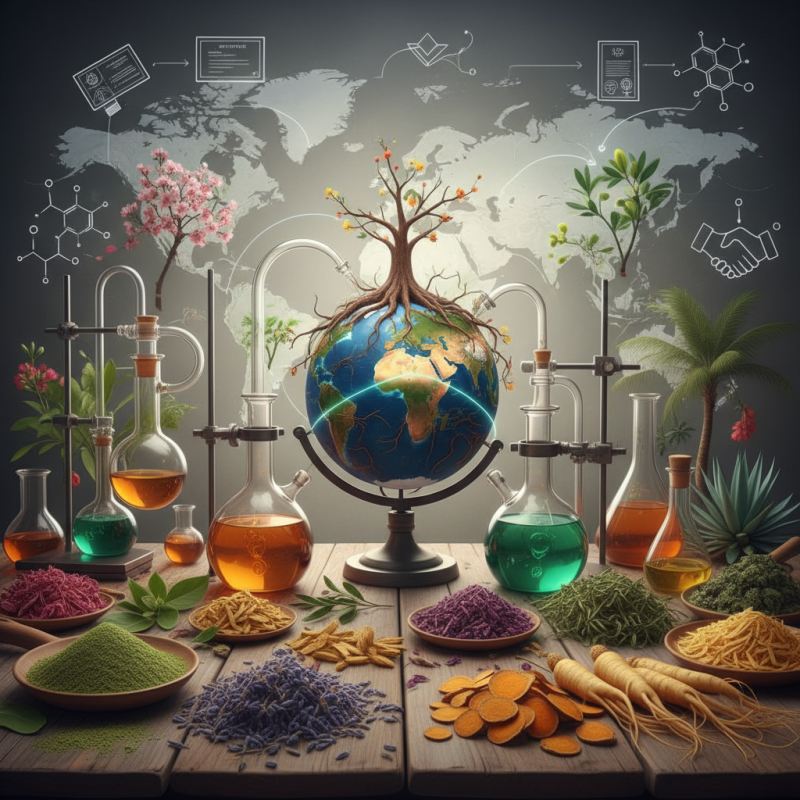
Best Practices for Evaluating Botanical Extract Suppliers Globally
When sourcing botanical extracts, selecting the right supplier is crucial. Evaluating potential suppliers requires a structured approach. Start by assessing their certifications and quality standards. Look for suppliers who adhere to Good Manufacturing Practices (GMP) and ISO certifications. These can indicate a commitment to quality and safety in production.
Consider visiting the supplier's facilities if possible. This firsthand experience provides insight into their processing methods and ethical standards. Ask about their sourcing practices. Transparency is key; a reliable supplier will openly share where and how they procure their botanicals. Gathering samples for testing can also offer clarity on the extracts’ quality.
Communication plays a vital role. Assess the responsiveness and willingness to provide information. A supplier who engages openly can often be more trustworthy. However, it’s important to stay aware of potential language barriers or cultural differences. These factors can affect negotiation and understanding. Understanding these nuances can lead to more successful partnerships.
Key Certifications and Standards for Quality Botanical Extracts
When sourcing quality botanical extracts, key certifications and standards play a vital role in ensuring product integrity. Certifications such as ISO 9001, which focuses on quality management systems, can be significant indicators of a supplier's commitment to quality. According to a recent report by the Global Organization for Standardization (ISO), about 1.5 million organizations worldwide are certified under this standard, showcasing its importance in various industries, including natural products.
Another essential certification is the USDA Organic seal, which ensures that botanical extracts are derived from organic farming practices. This certification is critical for consumers who prioritize sustainability and environmental responsibility. A study by the Organic Trade Association indicated that organic food sales exceeded $50 billion in the U.S. alone in 2021, reflecting the growing demand for organic products and their associated certifications.
However, relying solely on these certifications may lead to oversight. Some suppliers manipulate documentation or may not fully comply with the outlined standards. Vigilance is necessary. Engaging in third-party audits and seeking transparency in sourcing can mitigate risks. Suppliers should be encouraged to provide complete traceability for their extracts. Quality doesn't just come from obtaining certifications; it stems from a rigorous, transparent sourcing process.
Understanding the Importance of Supply Chain Transparency in Sourcing
Supply chain transparency is crucial when sourcing botanical extracts. A recent report by the Transparency International study highlights that 81% of supply chain issues arise from a lack of clear communication. Companies must prioritize understanding their suppliers’ sourcing practices. This approach helps in assessing the quality and safety of extracts, ensuring they meet industry standards.
Consider these tips for maintaining a transparent supply chain:
1. Regular audits are essential. Conducting on-site inspections can reveal potential quality issues. Documentation verification should not be overlooked.
2. Establish strong supplier relationships. Building trust fosters open communication about sourcing practices and raw material origins.
3. Utilize technology for tracking. Implementing blockchain can enhance traceability. As per a recent Gartner report, transparency can boost consumer trust by up to 76%.
Despite these strategies, challenges remain. Many suppliers still lack adequate practices to ensure transparency. It's vital for companies to openly address these limitations. Acknowledging such gaps helps in finding effective solutions. This proactive stance can enhance sourcing practices while ensuring the quality of botanical extracts.
Quality Botanical Extracts Sourcing Analysis
This chart illustrates the quality scores of various botanical extracts sourced globally. The data reflects the average quality ratings based on supply chain transparency, sourcing practices, and regulation adherence.
Identifying Regions with Rich Biodiversity for Quality Extracts
When sourcing botanical extracts with exceptional quality, focusing on regions rich in biodiversity is essential. Tropical rainforests, for example, are home to a staggering 50% of the world’s plant species. According to the World Resources Institute, these areas often yield potent extracts due to the complex ecosystems. Extracts sourced from regions like the Amazon or Southeast Asia can provide unique compounds rarely found elsewhere.
Scientific studies have shown that biodiversity plays a crucial role in the concentration of phytochemicals. A study published in "Nature" highlighted that regions with higher plant diversity typically have more varied secondary metabolites. These metabolites are often the source of beneficial properties in herbal extracts, such as antioxidant or anti-inflammatory effects. However, it's worth noting that harvesting from these regions is not without challenges. Sustainable practices must be considered to avoid depletion of local resources.
In addition to biodiversity, local expertise is invaluable. Communities with traditional knowledge have cultivated specific plants for generations. These practices can enhance the quality and efficacy of extracts. Yet, there’s still a fine line between utilizing local knowledge and ensuring the sustainability of plant populations. Careful consideration should be given to balance these factors when sourcing high-quality botanical extracts.
Market Trends in Botanical Extracts: Demand and Sustainability Insights
The botanical extracts market is witnessing significant shifts driven by sustainability and consumer demand. According to a report from Mordor Intelligence, the global botanical extracts market is expected to grow at a CAGR of 7.8% from 2021 to 2026. This growth is largely attributed to the rising interest in natural products and clean-label ingredients among consumers. Brands are increasingly investing in ethically sourced botanical extracts to meet the demand for transparency and environmental responsibility.
Sustainability is a key focus in sourcing practices. Many suppliers are adopting eco-friendly cultivation methods. The Global Botanical Extracts Market Report highlights that 65% of consumers are willing to pay more for sustainable products. This trend creates both opportunities and challenges for businesses. Companies must navigate the complexities of sustainable sourcing while ensuring product quality. For instance, sourcing from local farmers can reduce carbon footprints and support local economies, but it may also limit availability of rare botanicals.
The demand for transparency in ingredient sourcing is also on the rise. A recent study showed that 73% of consumers prefer brands that offer clear information about product origins. This increased scrutiny forces brands to dig deeper into their supply chains. Failure to meet these expectations could harm brand reputation. As businesses move forward, the focus must remain on balancing quality and sustainability while maintaining consumer trust.