How to Properly Stock a Medical Crash Cart for Emergency Situations
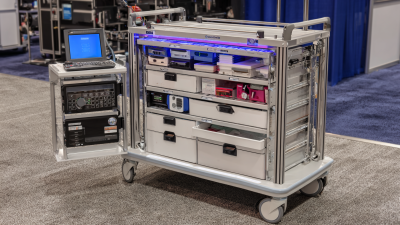
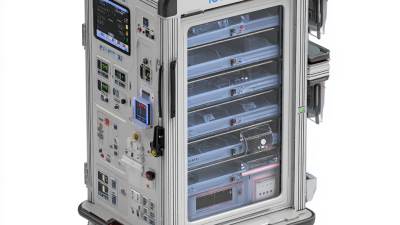
In the high-stakes environment of healthcare, an organized and well-stocked medical crash cart can be the difference between life and death during emergencies. A medical crash cart is a mobile, wheeled unit that houses essential equipment and medications needed for immediate response to critical situations such as cardiac arrest, severe trauma, or respiratory failure. Properly stocking a medical crash cart not only streamlines the emergency response but also ensures that medical professionals are equipped with the necessary tools to act swiftly and efficiently under pressure.
The contents of a medical crash cart can vary depending on the setting—be it a hospital, clinic, or other medical facilities—but certain items are universally recognized as essential. This includes supplies such as advanced airway management devices, defibrillators, intravenous (IV) access supplies, and a carefully curated list of medications. Training staff to maintain and regularly check the medical crash cart is crucial in guaranteeing that the items are up to date, functional, and readily available when needed the most.
Ultimately, the integrity and preparedness of a medical crash cart can significantly impact patient outcomes in emergency scenarios. By adhering to best practices in stocking and maintenance, healthcare professionals can uphold the highest standards of care, ensuring that they are always ready to respond effectively in times of crisis.

Understanding the Purpose and Importance of a Crash Cart
A crash cart, often found in various healthcare settings, serves as a critical resource during emergencies, ensuring that medical professionals have immediate access to essential equipment and medications. Its primary purpose is to provide prompt and effective intervention for patients experiencing life-threatening conditions such as cardiac arrest or severe traumatic injury. The importance of having a well-stocked crash cart cannot be overstated, as every second counts in these scenarios. A properly equipped crash cart enhances the chances of successful resuscitation and treatment by minimizing the time spent searching for necessary tools or medications.
Understanding the importance of a crash cart also involves recognizing that it not only functions as an emergency response kit but also plays a pivotal role in the preparedness of healthcare teams. Regular inventory checks and updates of the crash cart’s contents are vital to ensure that all items are in working order and that any needed supplies are readily available. Moreover, training staff to efficiently navigate the crash cart and understand its layout can significantly improve response times during crises. By prioritizing the organization and accessibility of the crash cart, healthcare facilities can bolster their emergency readiness, ultimately leading to better patient outcomes in critical situations.
How to Properly Stock a Medical Crash Cart for Emergency Situations
| Item |
Purpose |
Quantity |
Notes |
| AED (Automated External Defibrillator) |
Used to restore a normal heart rhythm in case of cardiac arrest |
1 |
Check battery and pads regularly |
| Oxygen Supply |
For patients experiencing respiratory distress |
1 cylinder |
Ensure the cylinder is full |
| IV Catheters |
Administer fluids and medications intravenously |
10 |
Various sizes |
| Syringes |
For administering medications |
20 |
Assorted sizes |
| Gloves (Nitrile) |
Protect against infection |
50 pairs |
Check for size preferences |
| Emergency Medications |
For various life-saving scenarios (e.g., epinephrine, atropine) |
Varies |
Check expiration dates |
| First Aid Supplies |
Bandages, gauze, and antiseptics for wound care |
Assorted |
Restock as needed |
Essential Medications and Supplies for Emergency Response
In emergency medical situations, a well-stocked crash cart can mean the difference between life and death. Essential medications and supplies play a crucial role in the immediate response to cardiac arrest, respiratory failure, and other critical health crises. According to the American Heart Association, about 350,000 cardiac arrests occur outside of hospitals each year in the United States, emphasizing the need for readiness in emergency scenarios. A properly stocked crash cart should include medications such as epinephrine for anaphylaxis and adrenaline during cardiopulmonary resuscitation (CPR), as well as sedatives like midazolam for sedation purposes.
In addition to medications, a crash cart should be equipped with essential supplies like defibrillators, airway management tools, and intravenous (IV) supplies. The Emergency Medicine Journal reports that up to 75% of out-of-hospital cardiac arrest victims may benefit from automated external defibrillators (AEDs), spotlighting the importance of including these devices in emergency kits. Furthermore, having sterile gloves, syringes, and intravenous fluid bags can expedite treatment and improve outcomes for patients in crisis.
Tips for maintaining an effective crash cart include regular inventory checks to replace expired medications and supplies, ensuring all staff members are trained on the use of the equipment, and simulating emergency scenarios to familiarize the team with the cart's layout and contents. Keeping a detailed checklist on the crash cart will assist healthcare professionals in quickly identifying essential items during high-pressure situations, ultimately leading to better patient care.
Organizing and Categorizing Items in the Crash Cart
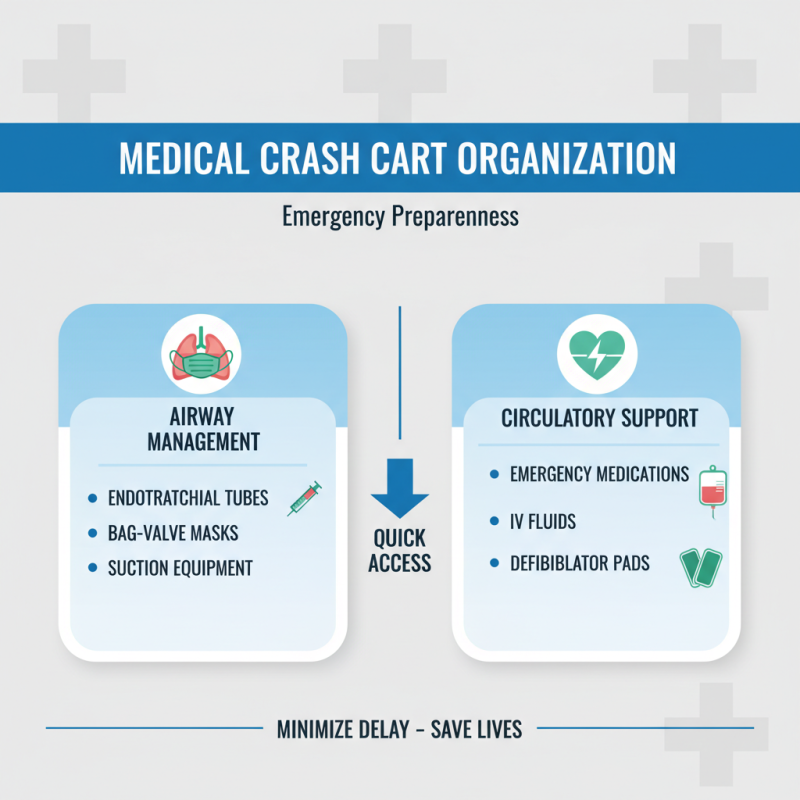
Organizing a medical crash cart effectively is crucial for ensuring that healthcare professionals can respond promptly during emergencies. The first step in categorizing items is to divide the supplies into clear sections based on their usage. For instance, one section can be dedicated to airway management, containing items like endotracheal tubes, bag-valve masks, and suction equipment. Another section can focus on circulatory support, including emergency medications, IV fluids, and defibrillator pads. By grouping related items together, a crash cart can facilitate quick access to necessary supplies, minimizing wasted time during critical moments.
In addition to categorization, it’s essential to implement a systematic labeling system for all items within the crash cart. Each section should have a label indicating its purpose, along with an inventory list that details the specific items and their quantities. This organization not only aids clinicians in locating supplies efficiently but also allows for regular checks to ensure that all items are stocked and in date. Visual cues, such as color-coded labels or dedicated containers, can further enhance the speed and accuracy of item retrieval, ultimately improving the response during medical emergencies.
Protocols for Regularly Checking and Restocking the Crash Cart
Regularly checking and restocking a medical crash cart is essential to ensuring readiness for emergency situations. Establishing a systematic protocol helps healthcare providers maintain an optimal level of preparedness. Typically, this procedure should occur at least once a week or after any emergent use of the cart.
During these checks, staff should verify that all essential supplies, medications, and equipment are in place and undamaged. Items such as defibrillator pads, intravenous (IV) supplies, and airway management tools must be inspected for expiration dates and integrity, while any used items should be replaced immediately to avoid any delays in future emergencies.
In addition to routine checks, creating a detailed inventory log is crucial for tracking the contents of the crash cart. This log should document the type and quantity of each item, as well as the respective expiration dates. Staff should be trained on how to consistently update the inventory following any use or restocking efforts. Moreover, it can be beneficial to designate specific personnel responsible for these tasks, ensuring accountability and thoroughness in maintaining the crash cart. By following these protocols, medical teams can ensure that their crash carts are always fully stocked and ready to respond effectively in critical situations.
Training Staff on Effective Use of the Crash Cart in Emergencies
In emergency situations, the effectiveness of a crash cart is directly tied to the training of the staff who operate it. To ensure that team members can respond swiftly and efficiently, regular training sessions are essential. These sessions should encompass not only the specific items contained within the crash cart but also the protocols for their use. This practice fosters familiarity and confidence among staff members, allowing them to quickly access and utilize the necessary tools during a crisis.
Tips: Consider conducting simulated emergency drills that allow staff to practice with the crash cart in a controlled environment. This not only reinforces the knowledge of where items are located but also enhances teamwork and communication under pressure. Additionally, providing written protocols or quick-reference guides that are easily accessible can aid in reinforcing learning and can serve as reminders during real emergencies.
To further enhance staff preparedness, incorporating feedback sessions post-training can be beneficial. Collecting insights on the cart contents, their organization, and the overall training process helps identify areas for improvement. Open discussions about experiences can lead to better practices, ensuring that every team member feels equipped to handle emergencies effectively. Training should be an ongoing process, adapting as procedures or technologies evolve to keep the team ready for any situation.