What is an Orthodontic Adhesive System and How Does it Work?
The Orthodontic Adhesive System is crucial in modern orthodontics. According to a report by the American Journal of Orthodontics, over 90% of orthodontic treatments utilize these adhesives. This system plays a significant role in the bonding process between brackets and teeth. Dr. Emily Carter, an expert in orthodontic technology, emphasizes, "The quality of the adhesive directly impacts treatment efficiency."
Adhesive systems have evolved. They have become more reliable and effective over the years. However, challenges remain, such as variations in patient saliva and the enamel surface. These factors can affect adhesion strength. Research suggests that improper application can lead to bracket failure, impacting overall treatment.
Moreover, while advancements are promising, more studies are needed to address inconsistencies. Understanding the nuances of the Orthodontic Adhesive System is essential for both practitioners and patients. Continuous innovation remains vital to ensure optimal results in orthodontic care.
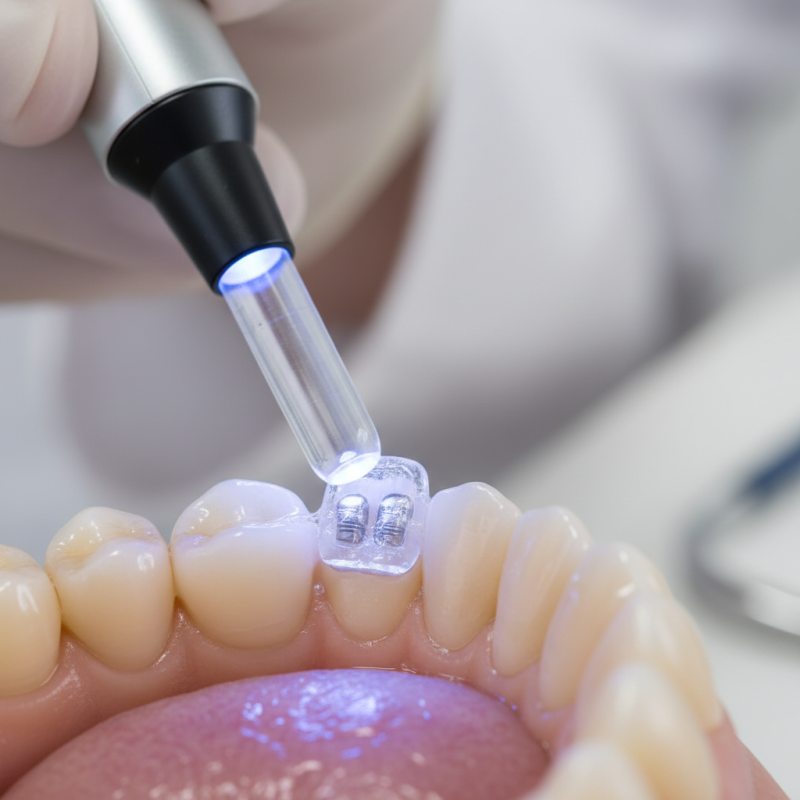
Definition and Purpose of Orthodontic Adhesive Systems
Orthodontic adhesive systems play a crucial role in modern dentistry. These systems are designed to bond brackets and other appliances to teeth. Their main purpose is to ensure that these devices stay securely in place during treatment.
The adhesive itself usually consists of a resin-based material. This material bonds well with both the enamel of the tooth and the brackets. When applied, it creates a strong connection that withstands the forces generated during orthodontic treatment. However, achieving the perfect bond can be tricky. Proper application techniques are necessary, and mistakes can lead to issues like bracket failure or enamel damage.
One common challenge is the sensitivity of different teeth. Each tooth's surface may react differently to the adhesive. Some teeth may not bond as effectively, leading to potential treatment delays. Practitioners must be vigilant when choosing and applying adhesives. Despite advancements, complete perfection in adhesion is still an ongoing process. Each case can teach valuable lessons for improving techniques and achieving better outcomes.
Components of an Orthodontic Adhesive System
An orthodontic adhesive system consists of several key components. These typically include bonding agents, primer materials, and the adhesive itself. The bonding agent is designed to create a strong bond between the bracket and the tooth. Its effectiveness can impact the overall treatment duration and success. Research shows that improper bonding can lead to longer treatment times and increased patient discomfort.
Primers play a crucial role in surface preparation. They enhance adhesion by conditioning the tooth enamel. According to the American Journal of Orthodontics and Dentofacial Orthopedics, proper surface conditioning can improve bond strength by up to 30%. However, not all adhesives provide the same level of effectiveness. Selecting the right components is essential for optimal results.
The adhesive's viscosity affects how easily it can be applied and its longevity. While a thicker adhesive may provide superior strength, it can also be harder to manipulate. This can lead to issues in application. The balance between ease of use and bond strength remains a topic for ongoing research. Clinicians often face the challenge of finding the right products that align with their treatment philosophy.
The Mechanism of Bonding in Orthodontic Adhesives
Orthodontic adhesives play a crucial role in dental treatments. They bond brackets to teeth during orthodontic procedures. Understanding the bonding mechanism is essential for optimal outcomes. The bonding process involves physical and chemical interactions between the adhesive and enamel surfaces.
The power of orthodontic adhesives lies in their composition. According to a study published in the Journal of Dental Research, modern adhesives can reach shear bond strengths of up to 12 MPa. This strength is vital for enduring forces during treatment. Micro-mechanical retention occurs as the adhesive penetrates the enamel's microscopic pores. This penetration allows for a strong bond that can withstand daily wear and tear.
However, not all adhesives perform equally. Factors like saliva contamination can compromise the bond. Additionally, improper curing can lead to weaker adhesion. This unpredictability necessitates meticulous application techniques. Clinicians must remain vigilant. Some studies indicate that over 30% of bonding failures are due to operator error. Ensuring a proper technique is as crucial as choosing the right adhesive. Each case presents unique challenges that require thoughtful consideration for successful results.
Application Techniques for Orthodontic Adhesives
Orthodontic adhesives play a crucial role in the application of braces. These adhesives create a strong bond between the brackets and the tooth enamel. Proper application techniques are essential to ensure effectiveness. For instance, a study by the American Journal of Orthodontics found that improper bonding can lead to bracket failure in 24% of cases.
One effective technique involves cleaning the tooth surface thoroughly before applying the adhesive. This often requires using pumice to eliminate any plaque. It is essential to dry the surface completely. The adhesive should then be applied in a thin, even layer. A consistent thickness prevents uneven bonding, which can cause discomfort or lead to the brackets coming loose.
Another consideration is the curing process. Light-curing adhesives require sufficient light exposure to harden. Inadequate curing may lead to weak bonds. Interestingly, a study noted that only 60% of orthodontists achieve optimal curing with their current methods. This emphasizes the need for continuous improvement. The choice of adhesive can also affect bond strength; selecting the right type for specific cases is vital.
What is an Orthodontic Adhesive System and How Does it Work? - Application Techniques for Orthodontic Adhesives
| Feature | Description | Application Technique |
| Adhesive Type | Light-cured adhesive | Apply adhesive to bracket, position, and cure with light |
| Bonding Strength | High (typically 6-10 MPa) | Ensure proper moisture control and etching |
| Viscosity | Low to moderate | Use a micro brush for even application |
| Curing Time | 20-40 seconds under light | Hold light 5-10mm from bracket during curing |
| Application Environment | Dry, clean, and well-illuminated | Minimize saliva contact, isolate teeth with rubber dam if necessary |
| Removal Technique | Mechanical removal with debonding pliers | Carefully apply force while avoiding enamel damage |
Advantages and Considerations in Using Orthodontic Adhesive Systems
Orthodontic adhesive systems play a crucial role in modern orthodontics. They securely bond brackets to teeth, ensuring treatment efficiency. A study noted that proper adhesive application reduces debonding incidents by up to 30%. This enhancement supports smoother progress and less chair time for patients.
The advantages of these systems are significant. They allow for easier removal and placement of appliances, optimizing treatment timelines. Additionally, certain adhesives exhibit lower solubility, which prolongs the effectiveness throughout treatment. Yet, not all adhesives perform equally under various conditions. Inadequate curing can lead to bond failures. Hence, practitioners should consider material properties carefully.
While orthodontic adhesives have clear benefits, challenges exist. Some patients experience sensitivity or irritation at the bond site. Observation of adhesive compatibility is key, as not all materials adhere well. A balanced approach in selecting adhesive systems can lead to improved patient comfort and treatment outcomes. Adjusting techniques based on patient responses is critical for success.