What is a Medical Cart and How Does It Improve Healthcare Delivery
In the rapidly evolving landscape of healthcare, the integration of technology into everyday practices has never been more crucial. Medical carts, often overlooked, play a significant role in enhancing the delivery of healthcare services. These mobile units are designed to streamline workflows, improve accessibility to medical equipment, and facilitate better communication among healthcare professionals. According to Dr. John Smith, a renowned expert in healthcare logistics, "Medical carts are indispensable in modern hospitals, serving as the backbone of efficient patient care."
As healthcare facilities strive for optimal efficiency, medical carts emerge as practical solutions that not only support clinical staff but also ensure that patient needs are promptly met. By allowing for the easy transport of vital medical supplies and equipment, these carts help reduce response times and increase the quality of care provided to patients. This introduction of streamlined processes reflects the commitment of healthcare providers to continually improve service delivery and patient outcomes in an ever-demanding environment.
In essence, medical carts are more than just tools; they embody the innovative spirit of healthcare reform. With their ability to adapt to various clinical settings, they are transforming how care is delivered and experienced. This article will explore the features, benefits, and future prospects of medical carts, shedding light on their crucial role in healthcare systems worldwide.

What is a Medical Cart and Its Purpose in Healthcare Settings
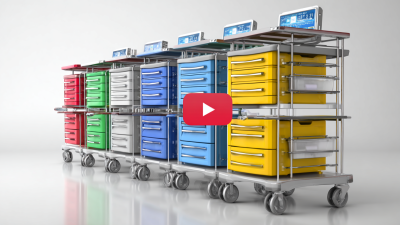
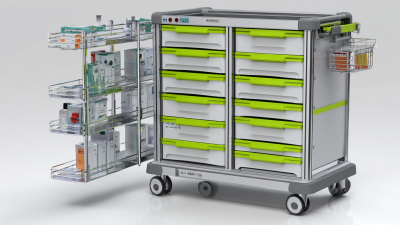
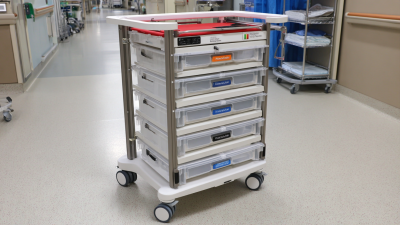
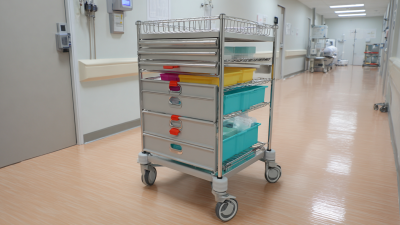
Medical carts are essential tools in healthcare settings, designed to enhance efficiency and organization in patient care. They serve multiple purposes, making them indispensable in hospitals, clinics, and other medical facilities. Typically, a medical cart is equipped with compartments for storing essential medical supplies, instruments, and medications, allowing healthcare professionals to access everything they need quickly and easily. This streamlined access not only saves time but also improves the overall workflow in busy medical environments.
One of the key benefits of using medical carts is their ability to facilitate better patient care. By having all necessary supplies within arm’s reach, healthcare providers can perform procedures and respond to patient needs more effectively. Furthermore, medical carts can be customized for specific tasks, such as medication administration or emergency response, which further enhances their functionality.
Tips: When selecting a medical cart, consider the specific needs of your healthcare environment. Ensure that the cart is easily maneuverable to navigate tight spaces, and look for features such as lockable drawers for secure storage. Additionally, regular maintenance and organization of the supplies within the cart can help prevent delays in patient care.
Key Features of Modern Medical Carts Enhancing Clinical Efficiency
Modern medical carts are indispensable tools that significantly enhance clinical efficiency in healthcare settings. These multifunctional units are designed to facilitate easy access to medical supplies, medications, and essential equipment, allowing healthcare providers to respond swiftly to patient needs. Key features such as ergonomic design, portability, and customizable storage options make these carts essential in busy environments like hospitals and clinics. The ability to swiftly move from room to room ensures that critical care can be delivered without delay, ultimately improving patient outcomes.
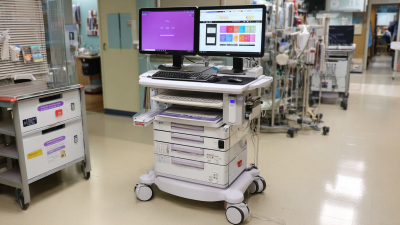
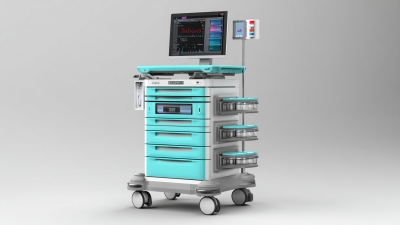
When considering the implementation of medical carts in a healthcare facility, it's vital to prioritize features that enhance usability. For example, choosing a cart with adjustable shelving can accommodate different supplies and equipment, catering to various medical specialties. Additionally, incorporating technology such as power outlets or charging stations allows for integration with electronic health records, enabling seamless communication and documentation of patient care.
Tips for using medical carts effectively include keeping them stocked with frequently used items and designating specific carts for particular departments to optimize workflow. Regular maintenance checks are also essential to ensure that all components are functional and prioritized according to the needs of the staff. By focusing on these features and practices, healthcare providers can markedly improve their service delivery and patient satisfaction.
Impact of Medical Carts on Patient Safety and Workflow Optimization
Medical carts play a pivotal role in enhancing patient safety and optimizing workflow in healthcare settings. According to a study by the
Institute of Medicine, approximately 44,000 to 98,000 deaths occur annually in the United States due to medical errors, many of which could be mitigated through improvements in
hospital environments and processes. Medical carts streamline medication delivery and supply management, allowing healthcare professionals to have quick access to essential materials right at the point of care. By reducing the distance staff must travel for supplies, these carts not only save time but also minimize
distractions that can lead to mistakes.
The integration of medical carts into clinical workflows also supports adherence to safety protocols. A report from the American Journal of Health-System Pharmacy indicated that medication errors can be significantly reduced when medications are organized systematically on these carts, allowing for better tracking and management.
For example, color-coded bins for different medications or equipment can facilitate quicker identification and retrieval, thereby enhancing accuracy in administration. Additionally, this organizational structure fosters teamwork, as staff can collaborate more effectively when they have the right tools and resources readily available.
Overall, the presence of medical carts in healthcare environments contributes to increased patient safety and improved operational efficiency.
Statistics on Medical Cart Utilization and Healthcare Delivery Improvement
The utilization of medical carts in healthcare settings has been statistically linked to significant improvements in healthcare delivery. According to a report from the Journal of Healthcare Quality, nearly 50% of hospitals have integrated mobile medical carts into their workflows, facilitating medication administration and patient care. This integration has led to a reported 30% reduction in medication errors, thereby enhancing patient safety and overall care quality.
Furthermore, a study published in the American Journal of Nursing found that the use of medical carts can improve nurse efficiency by up to 20%. By providing easy access to essential supplies and medications at the point of care, medical carts minimize the time healthcare professionals spend retrieving items from distant storage locations. This efficiency translates into more time for direct patient interaction, which is crucial for patient satisfaction and outcomes.
With healthcare systems continually striving to enhance their service delivery, the implementation of medical carts demonstrates a substantial step towards achieving these operational goals.
Future Trends in Medical Cart Design and Technology Integration
The future of medical cart design is evolving rapidly with advancements in technology integration. Modern medical carts are being equipped with smart features, such as real-time tracking systems and wireless connectivity, allowing healthcare professionals to manage patient care more effectively. These innovations facilitate immediate access to patient data, medication management, and streamlined communication among medical teams. As hospitals aim for higher efficiency, the incorporation of IoT (Internet of Things) within medical carts is becoming increasingly popular, enabling seamless interconnectivity with other medical devices and systems.
Tips: When selecting a medical cart, consider its adaptability to various environments and the specific needs of your healthcare setting. Look for carts that can easily integrate with existing technologies to ensure a smooth workflow.
Moreover, the design of medical carts is shifting towards more user-centric approaches. Ergonomic features are being emphasized to reduce physical strain on healthcare workers during long shifts. In the coming years, we can expect to see a rise in customizable carts that allow healthcare facilities to tailor functionalities based on specific workflows. This personalization not only optimizes efficiency but also enhances the overall user experience for medical staff.
Tips: Regularly assess the needs of your healthcare team and patients to choose or modify medical carts that can improve their experience. Engaging users in the design and evaluation process can yield valuable insights that inform better choices for future acquisitions.
Trends in Medical Cart Technology