10 Essential Tips for Choosing a Stainless Steel Medical Trolley
Selecting a stainless steel medical trolley is crucial for efficient healthcare delivery. According to a report by MarketsandMarkets, the global market for medical trolleys is projected to grow significantly, reaching USD 3.1 billion by 2025. This growth underscores the importance of choosing the right equipment. A durable and functional stainless steel medical trolley enhances workflow in hospitals and clinics, promoting quicker response times.
When considering a stainless steel medical trolley, factors like materials, design, and functionality come into play. Research shows that stainless steel offers superior resistance to corrosion and easy cleaning, which are vital in maintaining hygiene standards. Many hospitals have reported reduced infections after upgrading to high-quality stainless steel trolleys. However, not all products are created equal. It is essential to scrutinize specifications and supplier credibility.
Investing in a stainless steel medical trolley is not straightforward. Some trolleys may appear aesthetically pleasing but lack the required durability. Users must reflect on their specific needs to avoid missteps that could lead to inefficiencies. As healthcare demands evolve, the right trolley can make a significant difference in day-to-day operations.
Factors to Consider When Choosing a Stainless Steel Medical Trolley
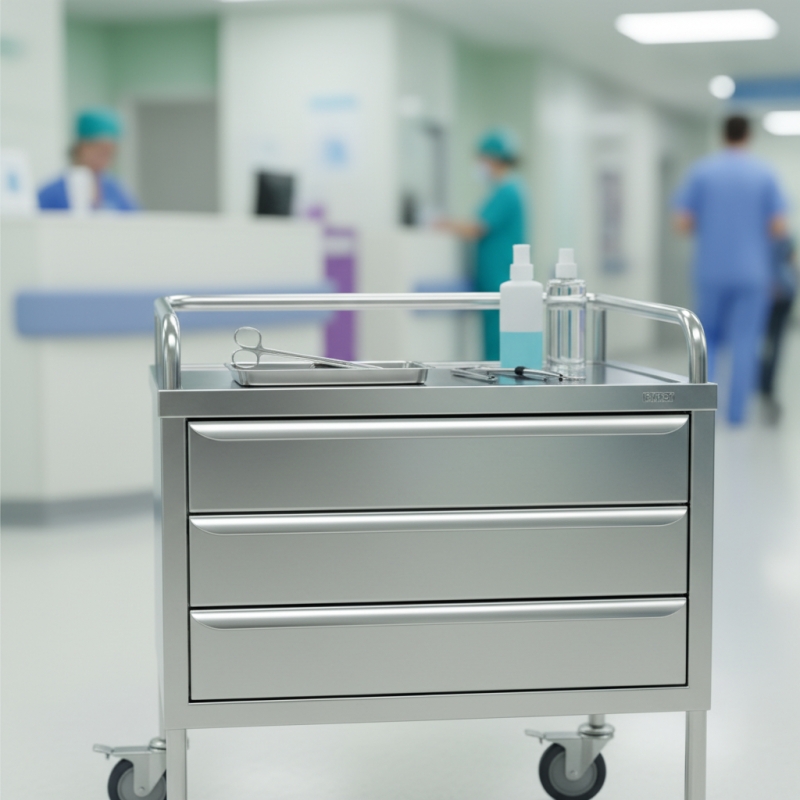
When choosing a stainless steel medical trolley, several factors play a crucial role. Consider the size and weight capacity of the trolley. Trolleys come in various dimensions, so matching one to your space is vital. A trolley that’s too large can obstruct pathways. Conversely, a small one may not hold all necessary supplies.
Material quality matters as well. Stainless steel trolleys are popular for their durability and ease of cleaning. Check the gauge of the steel. Thicker steel typically offers more strength. Also, inspect the wheels. They should be sturdy and swivel smoothly for easy maneuverability.
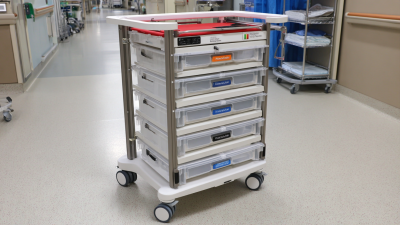
Pay attention to the design features. Some trolleys have additional shelves or drawers for extra storage. These can be helpful for organizing tools and supplies efficiently. An ergonomic design may reduce strain during use. Think about how often the trolley will be moved. A lightweight design can ease this process.
The trolley should also meet safety standards. This ensures both patient and staff safety during usage. Look for features like brakes on the wheels to prevent unwanted movement. Remember, a reliable trolley enhances workflow in a medical setting. Each detail matters. Evaluate what works best for your specific needs.
10 Essential Tips for Choosing a Stainless Steel Medical Trolley
| Factor |
Description |
Importance |
| Material Quality |
Ensure the trolley is made of quality stainless steel to prevent rust and corrosion. |
High |
| Weight Capacity |
Check the maximum weight limit to make sure it suits your needs. |
High |
| Mobility |
Look for trolleys with wheels that swivel for easy movement. |
Medium |
| Stability |
Ensure the trolley has a stable base to prevent tipping. |
High |
| Storage Options |
Consider the number of shelves and compartments for organization. |
Medium |
| Ease of Cleaning |
Choose designs that are easy to clean and maintain hygienic standards. |
High |
| Ergonomics |
Look for features that enhance user comfort while working. |
Medium |
| Cost |
Evaluate the budget but balance it with quality and features. |
High |
| Warranty |
Check if the product comes with a warranty for durability assurance. |
Medium |
| Customer Reviews |
Read reviews for feedback from other users about their experiences. |
Medium |
Types of Stainless Steel Medical Trolleys and Their Uses
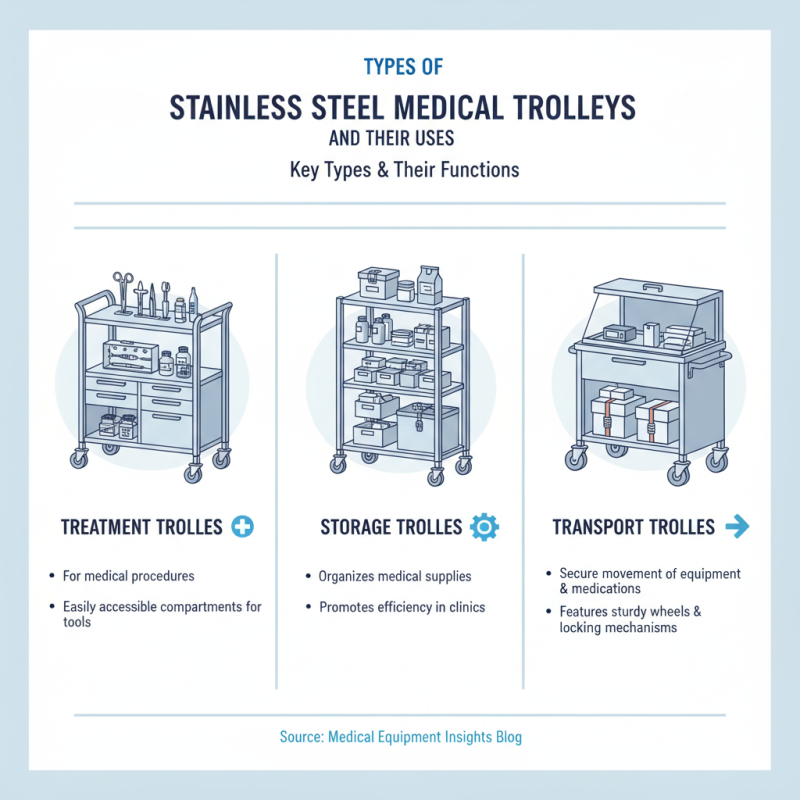
When choosing a stainless steel medical trolley, understanding the various types and their uses is crucial. Medical trolleys generally fall into categories such as treatment trolleys, storage trolleys, and transport trolleys. Treatment trolleys are essential for procedures. They must have easily accessible compartments for tools. Storage trolleys are typically used to organize supplies, promoting efficiency in fast-paced environments. Transport trolleys facilitate moving equipment and medications securely.
Consider the environment where the trolley will be used. Different settings, like hospitals or clinics, may require different features. For example, a treatment trolley should have a surface that’s easy to clean, while a storage trolley may need more shelves. Selecting trolleys with casters can enhance mobility. Evaluate the build quality and ensure they can withstand frequent use.
When assessing options, think about the specific needs of your team. Sometimes, staff members express dissatisfaction with the current equipment. Getting feedback can lead to better choices. A well-designed trolley will enhance workflow and organization. Always consider ergonomics to reduce physical strain. Making informed choices is essential for optimal patient care and operational efficiency.
Key Features to Look for in a Stainless Steel Medical Trolley
When selecting a stainless steel medical trolley, certain key features stand out. Look for a sturdy frame. It should support heavy loads while maintaining stability. The wheels are equally important. Choose trolleys with lockable wheels to ensure safety during use. This prevents unintentional movement, especially in busy medical environments.
Another important factor is the surface finish. A smooth, polished surface allows for easy cleaning. This is crucial in a medical setting to prevent contamination. Consider the trolley's height. It should be adjustable for the comfort of various users. An ergonomic design promotes efficiency, especially in high-pressure situations.
Also, think about the storage capacity. A trolley with multiple shelves or drawers can be more versatile. Check if the shelves are adjustable. This flexibility can accommodate different medical supplies or equipment. Reflect on these features to choose a trolley that meets specific needs. Not all trolleys will satisfy every requirement. It’s essential to weigh your options carefully.
Maintenance Tips for Ensuring Longevity of Your Medical Trolley
Maintaining a stainless steel medical trolley is essential for longevity and effectiveness. Regular cleaning is critical. Use a gentle, non-abrasive cleaner to avoid scratching the surface. According to a 2021 study by the Journal of Hospital Infection, properly cleaned medical equipment can reduce infection rates by up to 30%. This statistic underscores the importance of routine maintenance.
Routine inspections are necessary. Check for signs of wear or corrosion, especially at joints and welds. Stainless steel is generally resistant to rust, but it is not invincible. Neglecting minor issues can lead to bigger problems down the line. A survey by Healthcare Purchasing News indicated that 40% of healthcare facilities reported underestimating the importance of preventative maintenance.
Proper storage is another aspect to consider. Avoid overcrowding your trolley, which can lead to damage. Each item should have a designated spot. Limited space often leads to hasty organization, increasing the risk of injury or equipment damage. Investing time in thoughtful arrangement will ease access and reduce stress during busy shifts. Keeping these points in mind will enhance the trolley’s lifespan and efficiency.
Cost Analysis: Budgeting for a Stainless Steel Medical Trolley
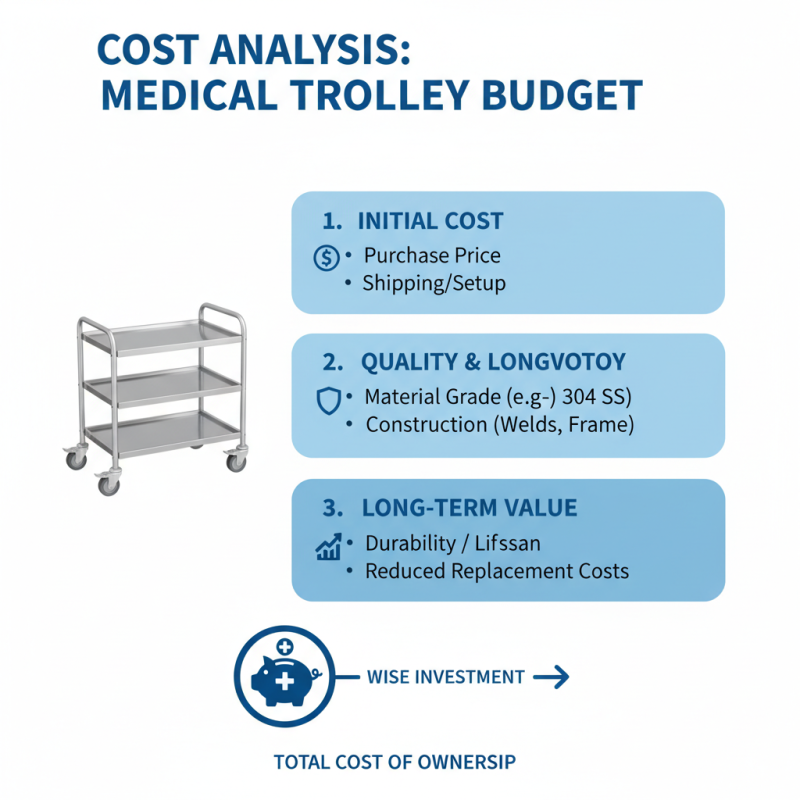
When budgeting for a stainless steel medical trolley, consider several critical aspects. The initial cost is only part of the equation. Quality often dictates longevity and performance. A low-priced trolley might seem appealing, but it could lead to higher replacement costs over time. Assess the materials and construction methods used. This will give insight into durability.
Another significant factor is maintenance. Stainless steel is generally easier to clean and resistant to corrosion. However, the type of finish can impact maintenance needs. Trolleys with polished surfaces may require more care to avoid scratches. Additionally, think about storage capabilities. A larger trolley might increase upfront costs but could reduce future purchases for additional storage solutions.
Lastly, consider your specific needs. The features you require will affect the cost. For instance, a trolley with multiple drawers may serve better in a busy environment. Reflect on your workflow and the necessity of each feature. Weigh your budget against potential long-term benefits. Investing in a quality medical trolley pays dividends in reliability and efficiency.