
What Is a Compact Foot Massager and How Does It Work?

A Compact Foot Massager is a small device designed to bring massage to a chair, desk, or bedside. Its appeal is easy to picture: after a long day, you place your feet on padded rollers and feel pressure move across the soles. Some models add vibration, air compression, or gentle heat. The exact experience depends on the design, settings, and fit.

The need for everyday foot comfort is not hard to understand. The American Podiatric Medical Association’s 2014 public-opinion survey reported that 77% of U.S. adults had experienced foot problems. That figure describes reported experience; it does not prove that massagers treat a medical condition. It does, however, help explain why home foot-care products attract attention. A compact unit typically works by applying repeated mechanical pressure or movement to the feet. Rollers knead the soles, vibration creates rapid pulses, and air chambers squeeze and release around the feet. Heat, when included, adds warmth rather than a deeper massage. Simple enough.

These devices vary considerably. One may feel like a firm rolling massage; another may rely mostly on compression. Size alone does not tell you how strong, comfortable, or suitable a model will be. That part is easy to overlook. This guide explains what compact foot massagers are, how their main mechanisms work, and what to check before choosing one. It also keeps expectations grounded: comfort is personal, and persistent pain deserves advice from a qualified health professional.
What Is a Compact Foot Massager and How Does It Work?

What a Compact Foot Massager Is

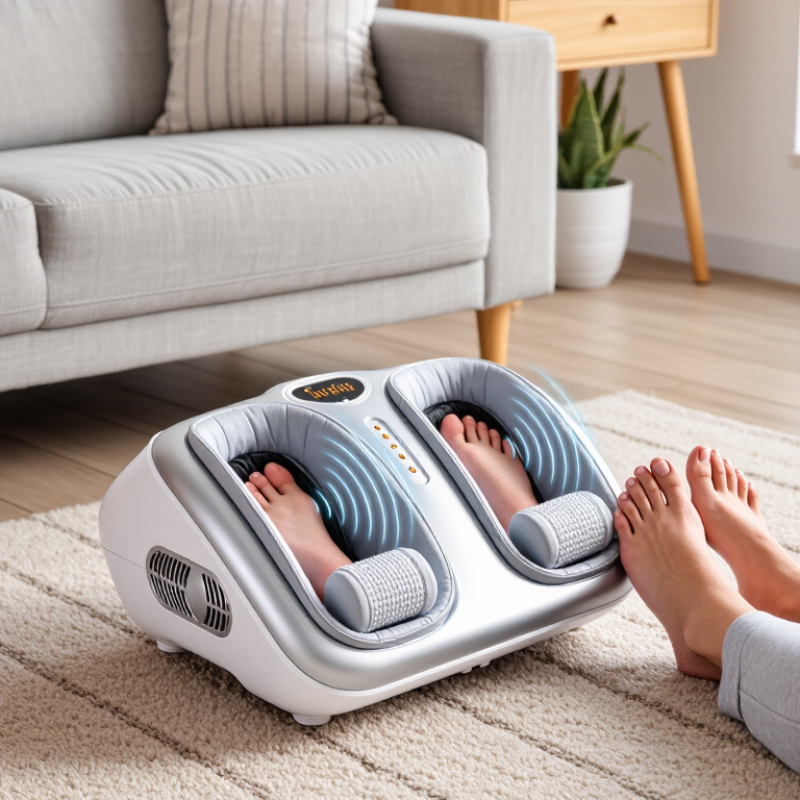
A compact foot massager is a small, home-use device designed to apply pressure or movement to the feet. Most models fit beneath a desk or beside a sofa. Depending on the design, rotating rollers press along the soles, while vibration or air cushions provide gentler sensations. Some include heat, but warmth is an optional feature, not proof of better performance. The device offers convenience; it does not reproduce every detail of a hands-on massage.

The American Podiatric Medical Association’s 2014 foot-health survey reported that 77% of American adults had experienced foot problems. That figure describes reported problems, not a diagnosis, but it helps explain interest in everyday foot comfort. A compact massager may feel useful after standing, though pressure can feel uneven if the foot does not sit properly. Small differences matter. Feet vary, and “compact” does not mean one size fits all. The device is not a substitute for medical assessment of persistent pain or swelling.

Tips: Check the foot-size range and try the lowest setting first. Keep sessions comfortable, not painful. If you have reduced foot sensation or a health condition affecting circulation, ask a clinician before use. Heat can feel pleasant, but it can also mask excessive warmth. That is easy to overlook.

Main Components and Their Functions

What Is a Compact Foot Massager and How Does It Work?

Main Components and Their Functions

A compact foot massager usually has a molded outer shell, foot wells, and a small electric motor. The shell supports the unit and keeps its moving parts enclosed. Inside each well, rollers or textured nodes press against the soles. Some models use air cushions that gently squeeze the sides of the feet. The motor powers these movements, while buttons or a dial let users choose a setting. Simple controls matter when adjusting the unit mid-session.

Many devices combine rolling, kneading, vibration, or compression. Each sensation works differently: rollers move across the sole, while air cushions inflate and release around the foot. Optional heat comes from a low-power heating element; it adds warmth but is not a substitute for medical care. A timer may stop the session automatically, and a power adapter supplies electricity. Features vary, so check the manual for cleaning and use instructions. Some controls are less intuitive than they look.

Tips: Start with a short, gentle session. Keep feet dry, and stop if pressure feels painful, numb, or unusually uncomfortable. A smaller unit may not fit every foot comfortably.

What Is a Compact Foot Massager and How Does It Work? - Main Components and Their Functions

Component Typical Design Main Function How It Works
Outer housing and footwell A compact molded enclosure with one or two openings for the feet Holds the massage mechanisms and supports the feet during use The user places their feet inside the footwell while the enclosure keeps moving parts contained.
Electric motor and drive system A small motor connected to gears, shafts, or cams Provides motion for mechanical massage features The motor turns or shifts internal parts to move rollers or massage nodes. The exact mechanism varies by model.
Rollers or massage nodes Rotating rollers or raised contact points beneath or around the feet Apply moving pressure to areas such as the soles Driven by the motor, they move in repeated patterns to create a rolling or kneading sensation.
Air chambers and pump Inflatable chambers in the footwell, supplied by a small air pump Provide a squeezing or compression-style massage The pump inflates and releases the chambers in cycles, gently pressing and easing off the feet. This feature is model-dependent.
Heat element and temperature control A low-power heating element with a temperature-limiting control Adds gentle warmth when a heat function is included The element warms designated surfaces; built-in controls help regulate heating. Heat is not present on every model.
Control panel and settings Buttons or touch controls for power, mode, intensity, and optional heat Lets the user select and adjust available functions The controls send commands to the device’s electronics, which manage the motor, pump, and heating system as applicable.
Power supply and safety controls An electrical cord or approved external adapter, plus protective circuitry Supplies energy and helps manage normal operation Electrical components deliver power to the device; some models also include an automatic shutoff or overload protection.
Removable liner or foot cover Fabric or mesh lining, sometimes removable for cleaning Provides a surface between the feet and internal mechanisms The liner helps keep the footwell comfortable and can make routine cleaning easier when it is designed to be removed.

Note: A compact foot massager combines some of these components in a small enclosure. Features and massage actions vary by model; follow the device instructions for safe use.

How the Massage Cycle Works

A compact foot massager usually works through a repeating sequence of movement and pressure. Inside the device, rollers or rotating nodes press against parts of the soles. Some models also use air chambers that gently squeeze the sides or tops of the feet. The controls set the pace and strength, but the sensation depends on foot size and placement.

A typical cycle begins with a short warm-up. Rollers may move slowly beneath the arches, then shift toward the heels or balls of the feet. Next, air chambers can inflate and release in turns, creating a light squeezing sensation. Then it pauses. That matters. The brief release lets pressure ease before the next pass. A gentle heat setting, when available, warms the foot area during the cycle; it does not replace the mechanical massage.

The cycle repeats until the timer ends, often after several minutes. Moving your feet slightly can change where the rollers make contact, though the result may feel uneven at first. That is normal, but stronger pressure is not automatically better. Start with the lowest setting and keep your feet relaxed. Stop if you notice pain, numbness, or unusual discomfort. The rhythm can take a moment to understand, and the controls are not always intuitive.

Common Massage Methods and Controls

A compact foot massager often combines rotating rollers, air compression, and vibration. Three methods are common. Rollers knead the soles in a shiatsu-like motion, while inflatable chambers squeeze the sides or tops of the feet. Vibration adds a lighter buzzing sensation. Some models include gentle heat, but warmth is not the same as deeper massage. Controls usually offer separate intensity levels, timed sessions, and buttons for heat or massage modes. Start low. If pressure feels sharp, numb, or uncomfortable, stop and adjust the fit; more force does not automatically mean a better session.

The American Massage Therapy Association’s 2024 consumer survey reported that about one in four U.S. adults had received a massage in the previous year. That figure reflects massage use broadly, not foot-massager sales, so it should not be read as proof that a home device delivers equivalent results. The National Center for Complementary and Integrative Health also notes that evidence for massage varies by health condition. A practical detail matters: feet differ in width and sensitivity, and a control setting that feels soothing after a walk may feel excessive on a tired, tender evening. I still find the labels imperfect. “Low” is not a standardized pressure measurement, so test a short session and judge by comfort.

Factors That Affect Comfort and Use

A compact foot massager uses rollers, vibration, or gentle air pressure to stimulate the soles and sometimes the sides of the feet. Its small size saves space, but comfort depends on whether your feet fit without being squeezed. Check the usable foot area, not just the outer dimensions. If your toes press against the housing, sessions may feel cramped. Pressure matters, too. A firm roller can feel pleasant on tired arches and sharp on sensitive spots. Start low. You can always increase it.

Comfort also depends on heat, sound, and how easily you can change position. Warmth may feel soothing, but it should stay mild; stop if your skin feels too hot or irritated. A motor’s hum can seem louder in a quiet room. Try the device on a hard, level floor, and keep the cord clear of walking paths. Short sessions make it easier to judge the pressure before using it longer. That judgment is not always perfect. Foot shape and sensitivity vary, so another person’s preferred setting may not suit you. If you have reduced sensation, circulation problems, or persistent foot pain, ask a health professional before use; massage should not replace an assessment of the cause.

Go to Top