How to Choose the Best Medication Carts for Your Needs?
Choosing the right medication carts is crucial for healthcare facilities. According to Dr. Sarah Mitchell, a leading expert in healthcare logistics, "The right medication cart can streamline operations and enhance patient safety." With various designs and features available, making a decision can feel overwhelming.
Medication carts must fit the specific needs of your team and patients. Factors such as mobility, storage capacity, and security are essential to consider. Dr. Mitchell emphasizes, "Consider the workflow when selecting medication carts; they should complement the daily routines of healthcare providers." This mindset can lead to better organization and reduced errors.
While there is no one-size-fits-all solution, reflecting on your unique requirements helps in the decision-making process. Take time to evaluate different options and seek feedback from your staff. Medication carts are more than just storage; they play a vital role in patient care and operational efficiency.

Understanding the Different Types of Medication Carts Available
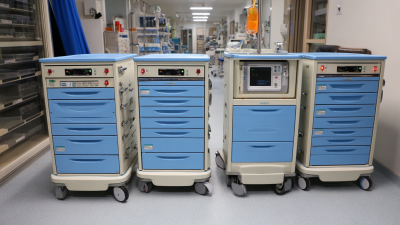
When selecting a medication cart, understanding the different types is crucial. Medication carts vary significantly in design and functionality. Some models focus on portability, designed with wheels for easy movement between rooms. Others prioritize security, featuring locking mechanisms to ensure that only authorized personnel access the medications.
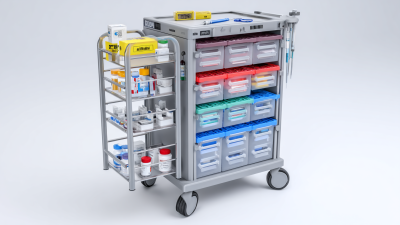
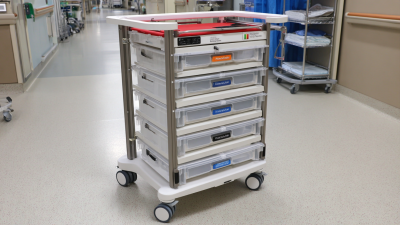
Consider the size and storage capacity when choosing a cart. A compact cart may be suitable for smaller facilities, while a larger one can accommodate diverse medications and supplies. Additionally, look for carts with organized compartments. These can help staff quickly find what they need, improving efficiency during critical times.
Each facility has unique needs. Evaluating workflow and staff requirements is essential. In some cases, a high-tech cart with integrated software can streamline medication administration. However, for some, simplicity may be preferable. Balancing technology and usability might require careful reflection on what works best for your team.
Comparison of Medication Cart Types
Key Features to Consider When Selecting Medication Carts
Choosing the right medication carts is crucial for healthcare settings. When selecting, consider features that enhance both functionality and safety. First, assess the size and layout. Carts should fit in your space, allowing easy access without obstruction. A compact design may save space, but it shouldn’t compromise storage capacity.
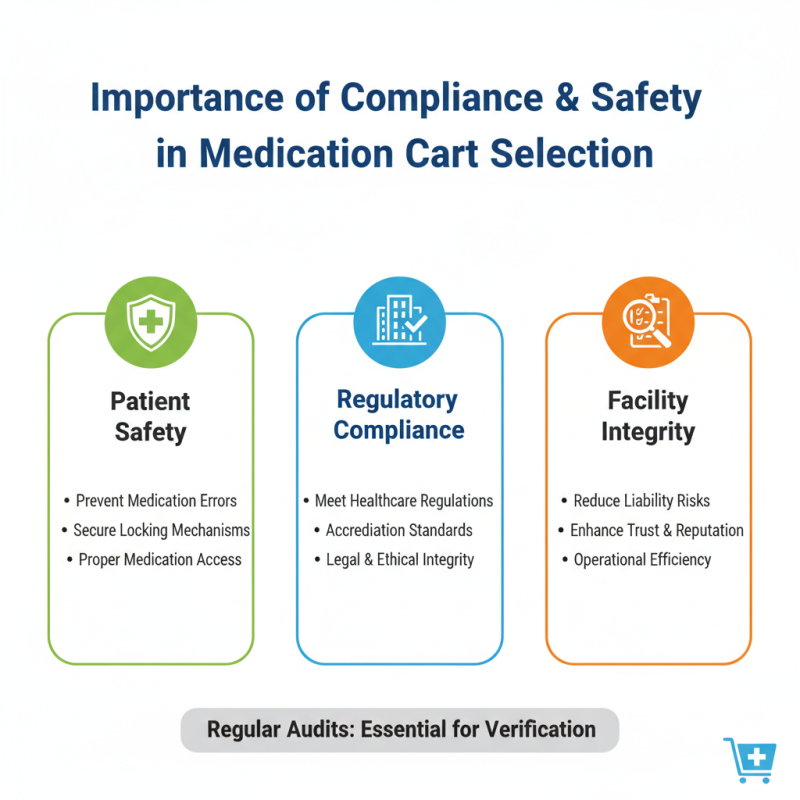
Next, examine the locking mechanisms. Effective locks prevent unauthorized access to medications, promoting safety. Look for carts with multiple locking options, such as key locks and electronic systems. This can help in protecting sensitive information and medications from potential misuse.
Also, consider the durability of materials. Choosing sturdy construction will ensure the cart withstands daily use. High-quality materials resist wear and tear, providing long-term value. Reflect on the ease of cleaning too. Carts should have surfaces that do not harbor bacteria. A smooth finish will make sanitation easier and more effective. Ultimately, the right balance of features is key to supporting your nursing team.
How to Choose the Best Medication Carts for Your Needs? - Key Features to Consider When Selecting Medication Carts
| Feature |
Description |
Importance |
| Material |
Durable materials like metal or heavy-duty plastic ensure longevity. |
High |
| Locking Mechanism |
Secure locks prevent unauthorized access to medications. |
Critical |
| Size and Capacity |
Appropriate dimensions and storage space for your medication needs. |
Moderate |
| Mobility |
Wheels or casters allow for easy movement between locations. |
High |
| Organization Features |
Drawers, bins, and dividers help keep medications organized. |
Moderate |
| Ergonomic Design |
User-friendly designs reduce strain and improve workflow. |
High |
| Compliance with Regulations |
Ensures that the cart meets healthcare regulations and standards. |
Critical |
Assessing Size and Accessibility for Efficient Medication Management
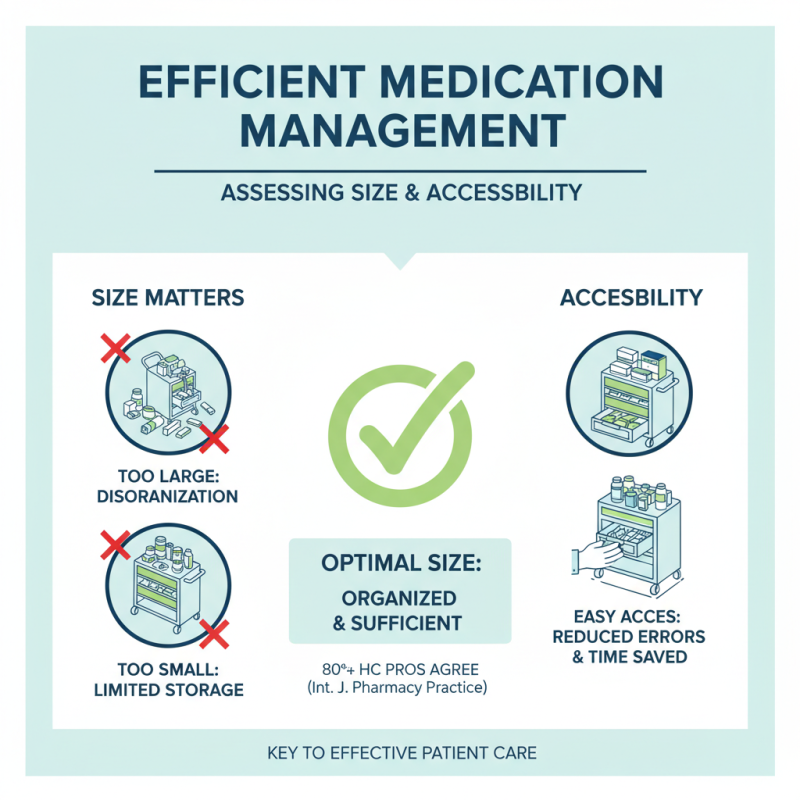
When selecting a medication cart, size and accessibility play crucial roles in effective medication management. According to a recent report by the International Journal of Pharmacy Practice, over 80% of healthcare professionals emphasize the importance of cart size for storing medications efficiently. A cart that is too large may lead to disorganization, while one that is too small can limit necessary storage space.
Accessibility is another vital factor. Medication carts should be designed to allow healthcare workers easy access to medications without disrupting workflow. A well-placed cart reduces the distance traveled during medication rounds, saving time and enhancing patient care. The American Association of Colleges of Pharmacy highlights that effective medication management can improve patient outcomes by up to 30%. A thoughtful configuration can make a substantial difference in day-to-day operations.
In practice, it's essential to evaluate the specific needs of your facility. Some medications come in bulk, necessitating larger storage areas. Others are used less frequently, allowing for more compact storage solutions. Frequent reflection on these needs can lead to better cart selection and usage. Choosing the right cart isn’t merely an operational decision; it’s a commitment to improving patient safety and care.
Evaluating the Cost-Effectiveness of Medication Carts in Healthcare
When evaluating the cost-effectiveness of medication carts in healthcare, it’s vital to consider initial and ongoing costs. High-quality carts often come with a bigger price tag. Yet, they can save money over time. Durable carts reduce replacement frequency. Investing in ergonomic designs can minimize staff injuries. Fewer injuries mean lower healthcare costs for staff.
Maintenance is another factor. Some carts require regular servicing, which adds to their lifetime cost. Think about the ease of maintenance when choosing a cart. A cart that is easy to clean and maintain saves time and effort. It may also lead to better hygiene practices. This is crucial for patient safety.
Assessing the return on investment (ROI) is necessary. Calculate how often the cart will be used versus its lifespan. Factor in the time saved by having easy access to medications. This can enhance overall workflow efficiency. Healthcare providers should critically analyze their options. Not all expensive carts guarantee better results.