How to Choose the Best Medical Cart on Wheels for Healthcare?
In the ever-evolving landscape of healthcare, choosing the right equipment is crucial. One essential tool is the medical cart on wheels. These carts enhance mobility and streamline workflows in hospitals and clinics. However, selecting the best one can be overwhelming.
Consider the specific needs of your healthcare environment. A suitable medical cart on wheels must cater to diverse tasks. For instance, it should support various medical supplies and equipment while being easy to maneuver. Durability is also vital. Carts often face heavy use and must withstand rigorous sanitization processes.
Many options exist, each with unique features. Some have adjustable shelves, while others prioritize compact design. It is important to reflect on what works best for your team. Engaging your staff in this decision can yield valuable insights. A thoughtful approach leads to better patient care. A well-chosen medical cart on wheels can significantly enhance efficiency and organization in a fast-paced setting.

Understanding the Importance of Medical Carts in Healthcare Settings
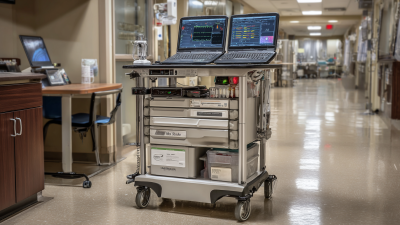
In healthcare settings, medical carts on wheels play a crucial role. They enhance mobility, allowing healthcare professionals to transport equipment and supplies efficiently. These carts improve workflow by keeping essential items at hand. The design should facilitate quick access to tools, which is vital in emergencies.
However, not all medical carts are created equal. Some may lack adequate storage space or stability. It's important to assess specific needs when selecting a cart. Various departments may have different requirements. For instance, a cart for medication delivery might need a locking mechanism to ensure safety.
While many carts offer mobility, durability is often overlooked. Carts should withstand daily use without compromising quality. Evaluating materials and build can prevent future frustrations. Reflection on these factors is essential to furnish a conducive healthcare environment.
Key Features to Look for in Medical Carts on Wheels
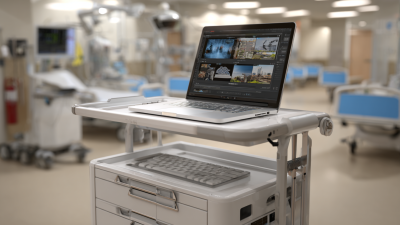
When selecting a medical cart on wheels, several key features are essential. Durability is paramount. Medical carts encounter daily wear and tear in healthcare settings. Look for materials that withstand frequent use. Steel or high-grade plastic can be good options. The cart's design should allow for easy cleaning. Contaminants can easily spread, so a smooth surface is beneficial.
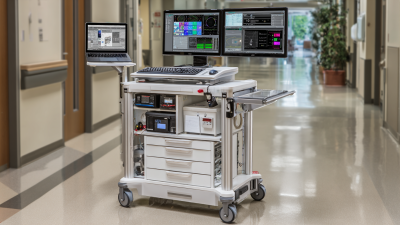
Storage capacity is another critical factor. Depending on your needs, choose a cart with various drawer sizes. This allows for organized storage of both large supplies and small items. Casters must be sturdy and lockable. This ensures stability when treating patients. Consider the cart's weight limit too. It should support your equipment without risk.
Tips: Evaluate the cart's mobility. It should glide easily, even when loaded. If possible, test it in a real environment. Observe how it maneuvers in tight spaces. Also, assess its overall size. A larger cart may restrict access in small rooms. Balance capacity and maneuverability carefully. Choose a cart that fits your workflow.
How to Choose the Best Medical Cart on Wheels for Healthcare? - Key Features to Look for in Medical Carts on Wheels
| Feature |
Importance |
Recommended Specifications |
| Durability |
Essential for frequent use in healthcare settings |
Heavy-duty materials like stainless steel or high-grade plastic |
| Mobility |
Facilitates easy movement through tight spaces |
Smooth-rolling wheels with locking mechanisms |
| Storage Capacity |
Allows for organization of medical supplies |
Multiple shelves and drawers with ample load capacity |
| Ergonomics |
Enhances user comfort and efficiency |
Adjustable heights and easy-to-reach design |
| Safety Features |
Reduces risk of accidents in busy environments |
Stability locks and non-slip surfaces |
| Customization Options |
Allows adaptation to specific needs of healthcare professionals |
Modular designs with customizable attachments |
Assessing the Size and Capacity of Medical Carts
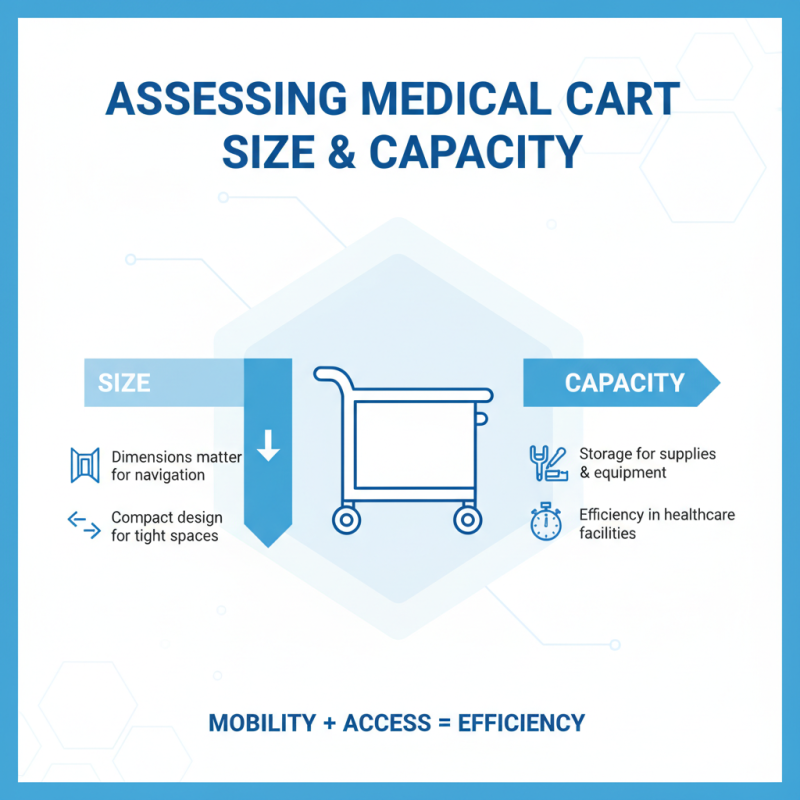
When selecting a medical cart on wheels, size and capacity are crucial factors to consider. A cart's dimensions can affect its ability to navigate tight spaces. For example, if a cart is too wide, it may struggle in narrow hallways or crowded areas. Healthcare facilities often require mobility without sacrificing access. A compact design that allows for easy transport can enhance efficiency.
Capacity also plays a vital role in utility. A cart must be large enough to hold essential medical supplies. Think about the types of materials you need to carry. Will it be used for emergency supplies, or everyday items? The answer influences the design you need. Be mindful, too, of weight. An overloaded cart can become cumbersome and difficult to maneuver. Test out the cart with a typical load to see if it meets your needs.
Assessing the perfect balance between size and capacity requires reflection. It’s not just about the number of compartments. It’s about how well the cart integrates into daily operations. Some carts may look appealing but may not function optimally in a busy environment. Consider your unique situation and the workflows involved. This is a thoughtful approach to ensure you choose wisely.
Evaluating Durability and Stability of Medical Carts
When selecting a medical cart on wheels, durability and stability are key factors. A well-constructed cart should endure the rigors of daily use. High-quality materials, like metal or reinforced plastics, often provide the necessary strength. However, not all carts meet the longevity needs of a busy healthcare environment. Buyers should closely inspect construction details. Look for welded joints instead of plastic bonding. A sturdy frame reduces vibrations and enhances stability during transport.
Stability is especially crucial in hectic settings. Carts that tip easily can pose serious safety risks. Wheels play a vital role here. Larger wheels can navigate uneven surfaces more effectively. Swivel casters offer more flexibility, but they can compromise stability if not designed well. Consider the weight distribution of the cart as well. A well-balanced cart will remain upright even when loaded. Conducting a hands-on test can reveal much about its stability in real-world conditions. Make sure to assess whether the cart meets your specific needs and environment. Always test before making a final decision.
Durability and Stability Evaluation of Medical Carts on Wheels
Comparing Costs and Budget Considerations for Medical Carts
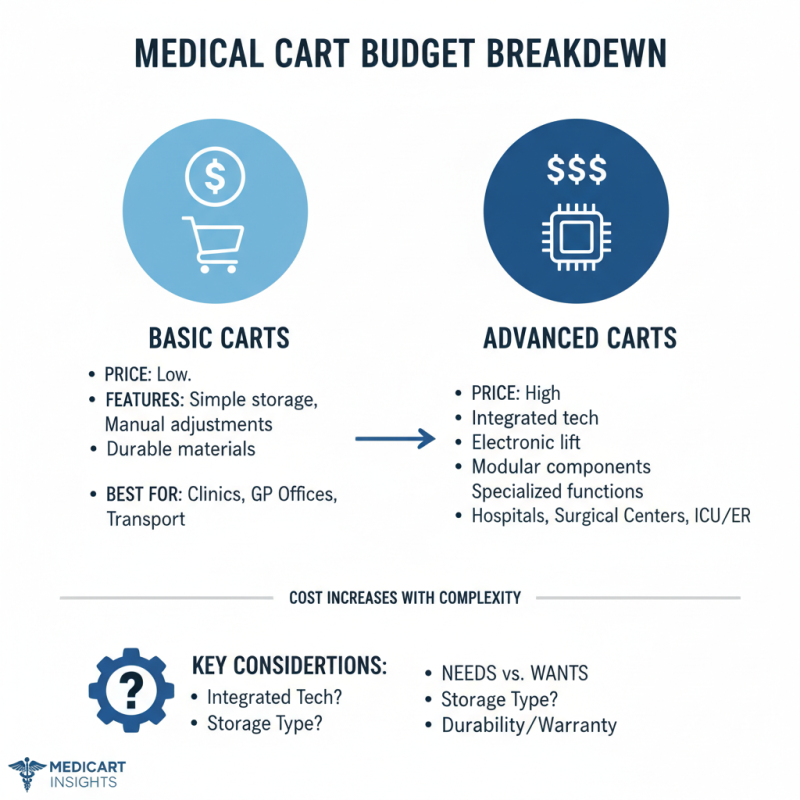
When considering a medical cart on wheels, budget plays a critical role. The price range can vary widely. Basic carts can be quite affordable, while advanced, specialized models may require a significant investment. It's essential to understand what features are necessary and what can be sacrificed. For instance, do you really need integrated technology, or can simple storage suffice?
In addition to the initial purchase price, maintenance costs are important. Quality carts may cost more upfront but can save money over time with better durability. Think about the materials used. Plastic options may be cheaper but do they hold up well in a busy healthcare environment? Inspect how often repairs might be required.
Finally, consider the potential for scalability. Your budget should reflect not just current needs but also future demands. Will your facility grow, requiring more carts? Weighing these factors can make choosing the right medical cart a more informed decision. The process engages both practical needs and financial realities, ensuring a well-rounded approach.