How to Choose the Right Oxygen Cylinder Cart for Your Needs
When it comes to ensuring the safe and efficient transport of oxygen cylinders, selecting the right oxygen cylinder cart is crucial. Dr. Emily Harrison, a leading expert in respiratory equipment logistics, emphasizes, "Choosing the appropriate oxygen cylinder cart can not only enhance the operational efficiency but also significantly reduce safety risks in any healthcare or industrial setting." This insight resonates with many professionals who understand the importance of proper equipment handling.
Various factors come into play when selecting an oxygen cylinder cart that meets specific needs. From the size and weight capacity of the cart to its durability and ease of maneuverability, each characteristic can affect the functionality and safety of using oxygen cylinders. Understanding these aspects is essential to avoid costly mistakes and ensure that both the equipment and users are protected.
In this article, we will delve into the key considerations for selecting the ideal oxygen cylinder cart tailored to your requirements. By examining expert opinions and practical tips, we aim to guide readers through the decision-making process, helping them invest in a cart that not only fits their needs but also supports their commitment to safety and efficiency in handling oxygen cylinders.
Understanding Your Oxygen Cylinder Requirements
When selecting the right oxygen cylinder cart, it's essential to first understand your specific oxygen cylinder requirements. This involves evaluating factors such as the type of oxygen therapy you need, the frequency of use, and the environment where the cart will be utilized. According to the American Association for Homecare, more than 1.5 million Americans rely on supplemental oxygen therapy, often necessitating portable solutions that allow for easy movement and accessibility. Understanding how often you will need to transport the cylinders can help you choose a cart that balances both mobility and stability.
Another key consideration is the capacity and size of the oxygen cylinders you use. Oxygen cylinders come in various sizes, typically ranging from small portable tanks to larger stationary units. A report from the National Institute of Standards and Technology highlights that selecting a cart that is designed for the specific size and weight of your cylinders ensures safety and efficiency. For instance, a cart capable of supporting heavier cylinders will not only improve safety but also enhance maneuverability in tight spaces, which is often critical in home care settings or healthcare facilities. Prioritizing these requirements will guide you in making an informed decision that aligns with your oxygen therapy needs.
Types of Oxygen Cylinder Carts Available
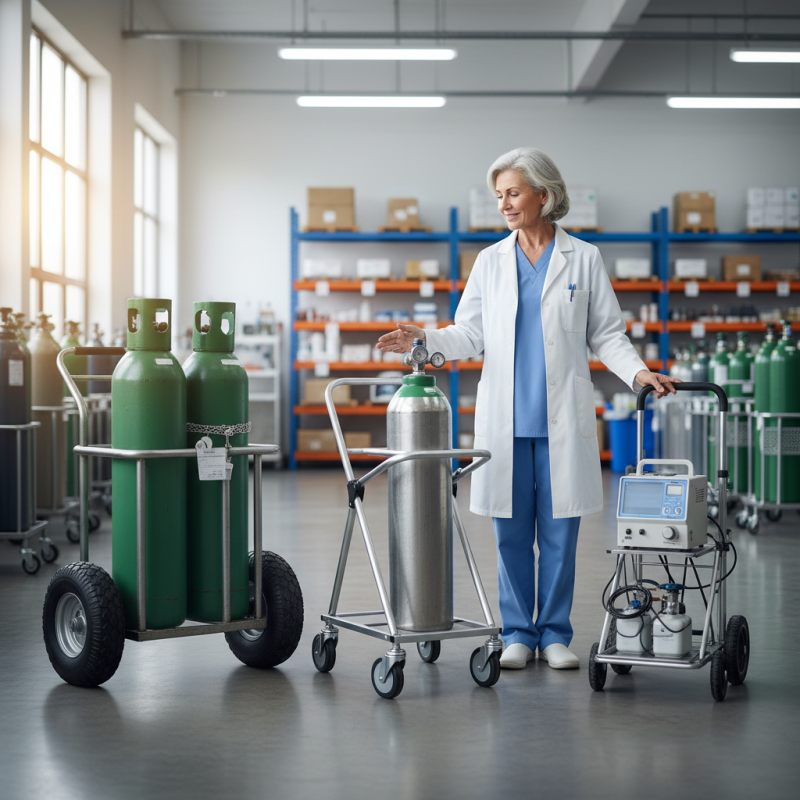
When selecting an oxygen cylinder cart, it’s essential to understand the various types available to ensure you make the right choice for your specific needs. The most common types of oxygen cylinder carts include upright carts, typically designed for single large cylinders, and lay-down carts, which can hold one or more cylinders flat. Upright carts are ideal for environments where space is limited, as they occupy less floor area and are user-friendly for transportation. On the other hand, lay-down carts offer stability and are often used in settings that require multiple cylinders to be moved simultaneously.
Another category worth considering is the portable versus stationary variety of oxygen cylinder carts. Portable carts come with wheels and can easily be maneuvered from one location to another, making them convenient for home healthcare or field operations. Stationary carts, however, are designed to remain in one place, providing a secure mounting for oxygen tanks, which can be essential in hospitals or clinics where frequent access is necessary. Choosing the right type of cart depends on your lifestyle, workspace, and the specific oxygen cylinder sizes you need to transport or secure.
How to Choose the Right Oxygen Cylinder Cart for Your Needs - Types of Oxygen Cylinder Carts Available
| Type of Oxygen Cylinder Cart |
Weight Capacity |
Material |
Wheel Type |
Purpose |
| Standard Cylinder Cart |
Up to 200 lbs |
Steel |
Rubber |
Medical Facilities |
| Portable Oxygen Cart |
Up to 150 lbs |
Aluminum |
Plastic |
Home Care |
| Heavy-Duty Cylinder Cart |
Up to 300 lbs |
Stainless Steel |
Pneumatic |
Industrial Use |
| Wall-Mounted Oxygen Cart |
N/A |
Steel |
N/A |
Space-Saving Solutions |
Key Features to Look for in an Oxygen Cylinder Cart
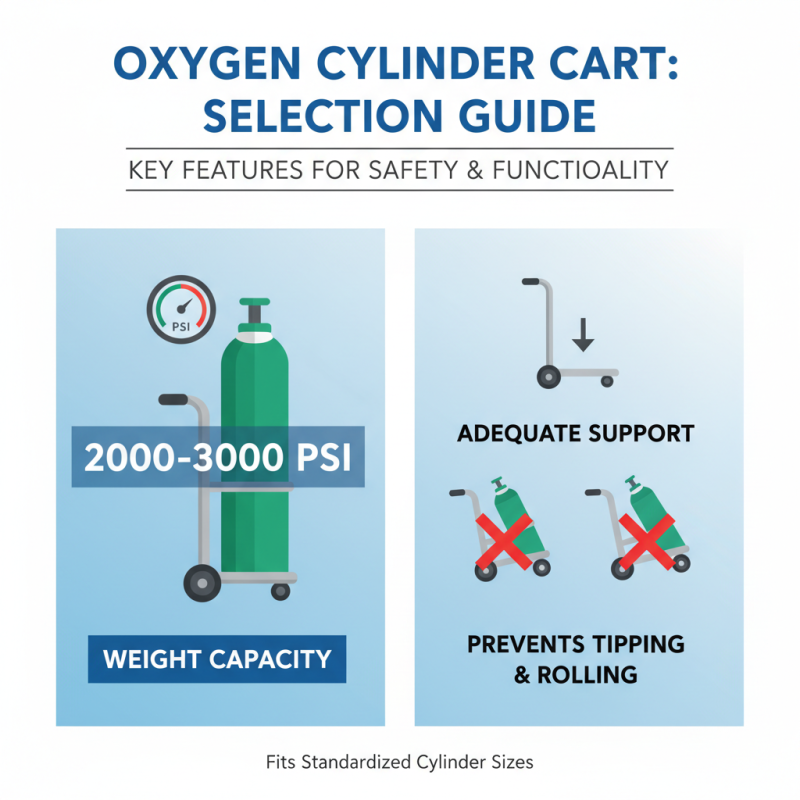
When selecting the right oxygen cylinder cart, understanding the key features is essential for ensuring both safety and functionality. One of the primary considerations should be the weight capacity of the cart. According to industry data, oxygen cylinder carts are typically designed to hold standardized cylinder sizes, with most carts accommodating capacities between 2000 to 3000 PSI. It is crucial to choose a cart that not only fits your cylinder size but also provides adequate support to prevent tipping or rolling during transport.
Mobility is another critical factor. A good oxygen cylinder cart should be equipped with durable wheels that can handle various terrains, from hospital floors to outdoor environments. Research from the National Institute for Occupational Safety and Health (NIOSH) has highlighted that ergonomic design in cylinder carts significantly reduces the risk of injury for users. Look for features such as swivel wheels for maneuverability and a sturdy handle that allows for comfortable pushing or pulling. Additionally, carts with locking mechanisms enhance safety by preventing accidental movement when not in use.
Lastly, consider the materials used in the construction of the cart. High-quality steel or aluminum offers durability and resistance to wear, while some newer options are made from lightweight composite materials. A report from the American Society for Testing and Materials (ASTM) indicates that carts constructed from these premium materials not only last longer but also provide better overall value in the healthcare settings. By focusing on these key features, you can confidently choose an oxygen cylinder cart that meets your specific requirements while ensuring safety and efficiency in handling.
Assessing the Cart's Mobility and Stability for Usage
When selecting the right oxygen cylinder cart, it's paramount to assess both mobility and stability. Mobility is crucial, especially in emergency situations where quick transport is necessary. According to the U.S. Occupational Safety and Health Administration (OSHA), ensuring that carts are equipped with features such as larger wheels and durable constructions significantly enhances maneuverability, allowing for easier navigation through various environments. This is particularly essential in healthcare settings, where moving oxygen cylinders swiftly can be lifesaving.
Stability, on the other hand, is equally vital to prevent accidents during usage. A report from the National Institute for Occupational Safety and Health (NIOSH) highlights that unstable carts can lead to tip-over incidents, posing risks to both the users and the patients they serve. Carts should be designed with a low center of gravity and adequate base width to ensure they remain upright even when fully loaded. Additionally, features like securing straps can further increase stability, making it safer for caregivers who often have their hands full. Evaluating these aspects thoroughly will ensure that the chosen oxygen cylinder cart meets specific usage needs while maintaining safety.
Maintenance Tips for Your Oxygen Cylinder Cart
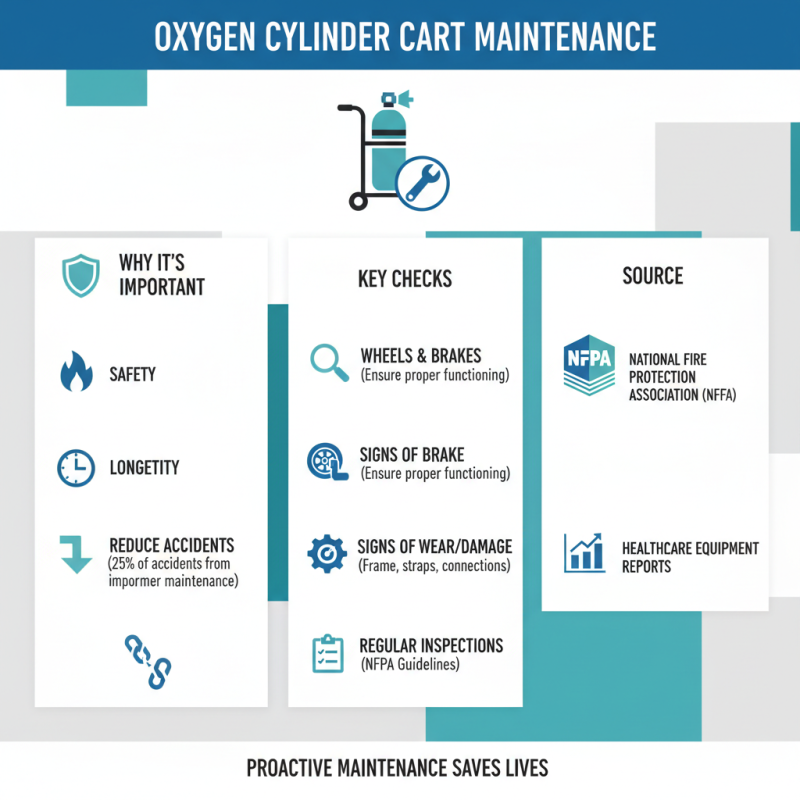
Maintaining your oxygen cylinder cart is essential for ensuring safety and longevity. According to the National Fire Protection Association (NFPA), regular maintenance checks can significantly reduce the risks of accidents and injuries associated with the use of oxygen equipment. Operators should inspect the cart for any signs of wear or damage, including checking the wheels and brakes for proper functioning. Reports indicate that approximately 25% of accidents in healthcare settings are related to improperly maintained equipment, highlighting the importance of proactive maintenance.
Moreover, it is crucial to keep the cart clean and free from contaminants. The Centers for Disease Control and Prevention (CDC) emphasizes that proper cleaning protocols can prevent the contamination of oxygen cylinders, which is vital in medical environments. Regularly wiping down surfaces with suitable disinfectants can help maintain the integrity of the equipment. Additionally, ensuring that the oxygen cylinders are secured during transport not only promotes safety but also prolongs the lifespan of the cart itself. Studies show that well-maintained carts can last up to 30% longer than those that are neglected, making maintenance a worthwhile investment for any facility.