Best UPLC Columns for Efficient Separation in 2026?
As the demand for analytical precision rises, UPLC Columns play a crucial role in laboratories worldwide. In 2026, the landscape of UPLC columns is evolving. Experts like Dr. Emily Chen emphasize, "Choosing the right UPLC column is essential for achieving optimum separation."
Various factors influence the performance of these columns. Their material and design significantly affect the efficiency of liquid chromatography. Innovations in technology are leading to better resolution and faster analysis times. However, not all columns perform equally under different conditions. This can lead to unexpected results and increased costs.
Reliability and accuracy remain paramount. Researchers must stay informed about advancements in UPLC columns to ensure they choose the best options. By examining specifics, including particle size and surface chemistry, users can make confident decisions. It's clear that understanding UPLC columns will shape analytical practices in the coming years.
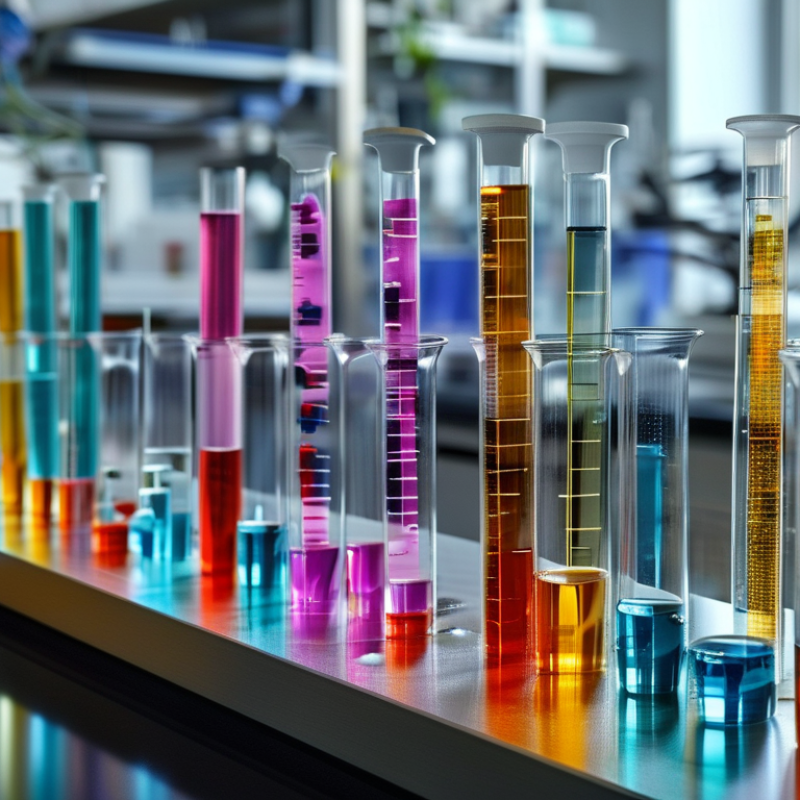
Overview of UPLC Technology Advancements in 2026
In 2026, UPLC technology has seen significant advancements. New materials and techniques have improved separation efficiency. These changes are essential for various applications in pharmaceuticals and environmental analysis. Researchers explore innovative stationary phases, which help achieve faster and more efficient results.
One notable development is the refinement of particle size. Smaller particles allow for better resolution and speed. However, integrating these particles can pose challenges. They require precise calibration and maintenance. Additionally, operator expertise plays a crucial role in achieving optimal results.
The rise of artificial intelligence has also transformed UPLC operations. AI algorithms can optimize method development, reducing trial and error. Nonetheless, reliance on technology requires careful oversight. Operators must understand the fundamentals of UPLC to interpret AI-generated results accurately. Balancing technology and human expertise is key to maximizing UPLC's potential.
Key Factors Influencing Column Performance and Selection
In 2026, selecting the right UPLC column is crucial for efficient separation. Several factors impact column performance significantly. Among these, particle size and pore structure play vital roles. Research shows that columns with smaller particle sizes can enhance resolution by providing greater surface area for interaction. Studies suggest using particles around 1.7 µm for optimal separation efficiency, as larger particles often lead to longer analysis times and decreased resolution.
Additionally, the mobile phase composition is key. A report from the Journal of Chromatography emphasizes the importance of solvent viscosity. Higher viscosity can slow elution times and may lead to peak broadening. Adjusting the mobile phase can optimize flow rates, improving separation quality. Column temperature also influences the kinetics of separation. A higher temperature might reduce viscosity but can also induce instability in some stationary phases.
The choice of stationary phase is another critical consideration. Certain phases may interact better with specific analytes, enhancing retention and separation. However, not all phases are compatible with every sample type, which can lead to inconsistent results. Achieving a balance between these variables requires careful analysis and experimentation. Researchers must approach their selection criteria with flexibility and a mindset for continuous improvement.
Best UPLC Columns for Efficient Separation in 2026
This chart illustrates the efficiency of various UPLC columns based on their resolution and throughput for effective separation in 2026. These metrics are essential for selecting the appropriate column for specific applications.
Top UPLC Columns for Specific Applications and Analytes
In 2026, the demand for efficient separation in ultra-performance liquid chromatography (UPLC) continues to rise. Selecting the right UPLC column is crucial for achieving optimal results. Different applications require specific columns tailored to their unique analytes. For instance, columns designed for peptide analysis often utilize a C18 phase, offering excellent resolution and peak capacity. Meanwhile, polar and hydrophilic interactions are critical for the separation of carbohydrates and nucleotides, suggesting a need for specialized columns that enhance these interactions.
The latest industry reports indicate that UPLC columns with sub-2 µm particle sizes significantly improve efficiency, with separation times reduced by nearly 50%. An investment in these advanced columns can lead to higher throughput in laboratories. However, researchers must be cautious. Not all columns perform consistently across varying conditions. Environmental factors like temperature and mobile phase composition can impact column efficiency.
Tip: Always validate your column of choice under your specific conditions.
Moreover, while column selection is vital, considering the application of specific analytical techniques can lead to better outcomes. For instance, using different pH levels can modify the retention times of analytes. This process can enhance selectivity but may require extensive optimization.
Tip: Regularly revisit your method development practices. What worked last year may need adjustments today.
Comparison of Leading UPLC Column Brands and Models
The choice of UPLC columns significantly impacts the efficiency of separation processes in analytical laboratories. Recent studies reveal that new advancements in column technology lead to lower back pressures and improved resolution. Columns constructed from sub-2 µm particles enhance the separation capabilities, with some reports indicating a 20% increase in efficiency compared to older models.
Leading brands now focus on specific stationary phases tailored for different analytes. For example, columns with C18-bonded phases are recognized for their versatility in separating polar and non-polar compounds. In contrast, phenyl-hexyl columns are preferred for aromatic compounds, showing notable selectivity. Industry reports underscore that optimizing mobile phase conditions alongside advanced column materials results in peak resolution improvements of up to 30%.
While manufacturers claim improved performance, real-world applications often reveal variations in stability and lifespan. Some users report that even high-quality columns can degrade faster than expected, requiring careful monitoring. Thorough validation against standard reference materials is essential. This ensures the reliability of results, especially when minor deviations influence analytical outcomes. Understanding these nuances can lead to better choices in UPLC column selection.
Best UPLC Columns for Efficient Separation in 2026
| Column Type | Particle Size (µm) | Dimension (mm) | pH Range | Max Pressure (bar) |
| C18 | 1.6 | 50 x 2.1 | 2 - 9 | 600 |
| C8 | 1.7 | 100 x 2.1 | 3 - 10 | 700 |
| Phenyl | 2.5 | 150 x 3.0 | 2 - 8 | 400 |
| Amino | 3.0 | 75 x 4.6 | 1 - 11 | 500 |
| C30 | 2.6 | 150 x 3.0 | 2 - 10 | 600 |
Future Trends in UPLC Column Development and Innovation
The future of UPLC column development holds exciting potential. As we approach 2026, researchers aim to enhance separation efficiency and resolution. The focus is shifting toward innovative materials and coatings. These developments promise to improve the selectivity and durability of columns. Enhanced technologies may lead to significant gains in throughput. Scientists are exploring the integration of nanotechnology in column design. This could allow for finer particle sizes and improved interactions with analytes.
Another trend is the emphasis on sustainability. The need for environmentally friendly materials is growing. Manufacturers are likely to explore the use of biodegradable options. Meanwhile, industry feedback remains crucial. As advancements are made, the community must share insights on efficacy and usability. This feedback loop is essential for continual improvement. Flexibility in applications also drives innovation. UPLC columns must adapt to various pharmaceutical and biochemical analyses.
Experts anticipate that incorporating AI will guide new designs. However, challenges persist. Balancing cost, performance, and reliability is not easy. Defining standards for new materials remains complex. Researchers must navigate these hurdles to ensure the columns meet industry demands. Continuous collaboration across disciplines will be vital for success. The future is promising, yet reflection and adaptive strategies are necessary.