Best Sleep Monitoring Technology for Improved Sleep Quality?
In recent years, Sleep Monitoring Technology has gained significant attention. People are increasingly seeking ways to enhance their sleep quality. With a growing variety of devices and applications, it's important to understand what works best. Effective sleep is crucial for overall well-being.
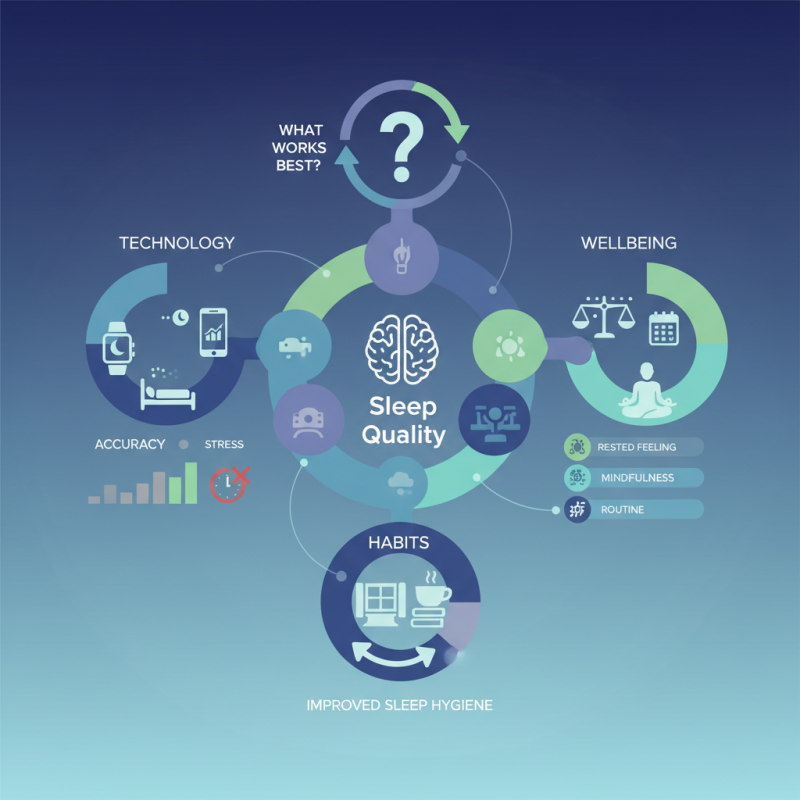
Many products claim to track sleep stages and patterns. However, not all devices provide accurate data. Some may even lead to unnecessary stress over sleep metrics. Quality sleep is not just about numbers; it’s about feeling rested.
Experts suggest focusing on sleep hygiene first. Devices can help, but they should complement healthy habits. Mindfulness, a consistent sleep schedule, and a calm environment matter. As we explore Sleep Monitoring Technology, consider both its benefits and potential drawbacks.
Overview of Sleep Monitoring Technology: Importance and Benefits
Sleep monitoring technology has become essential in promoting better sleep quality. Recent studies show that about 30% of adults experience sleep disturbances. This reflects a growing need for effective tracking solutions. Proper sleep monitoring helps identify issues such as restless nights or disrupted sleep cycles.
Using wearable devices or smart applications can provide significant insights. A report by the National Sleep Foundation highlights how tracking sleep patterns can lead to improved sleep hygiene. Many users report feeling more rested after actively monitoring their sleep. However, relying solely on technology has its downsides. Some users find themselves becoming overly focused on metrics rather than enjoying restful sleep.
Moreover, the interpretation of data can be challenging. Many find it hard to make sense of the information provided. Misinterpretation may lead to unnecessary anxiety about sleep quality. Therefore, while sleep monitoring technology presents numerous benefits, it also invites a need for cautious engagement. Balancing the use of technology with a mindful approach to sleep is crucial for achieving restful nights.
Types of Sleep Monitoring Devices: Wearables vs. Non-Wearables
When it comes to sleep monitoring, there are two main types of devices: wearables and non-wearables. Wearable devices, such as smartwatches or fitness trackers, gather data about sleep patterns through sensors. They track movement and heart rate. This information helps users understand their sleep quality. However, some people find wearables uncomfortable and intrusive during the night.
Non-wearable devices, on the other hand, include sleep trackers that don't require you to wear anything. These can be placed under your mattress or beside your bed. They monitor sleep using sound, movement, or light sensors. Many people prefer these options for comfort and ease of use. Non-wearables can provide valuable feedback without affecting your sleep environment.
Tips: When choosing a sleep monitoring device, consider comfort. A device that is comfortable will encourage you to use it consistently. Check if the device can sync with other health apps. This integration offers a comprehensive view of your health. Lastly, be aware that not all data may be 100% accurate. It’s helpful to reflect on trends rather than fixate on daily numbers.
Key Features to Look for in Sleep Monitoring Technology
When exploring sleep monitoring technology, it’s crucial to consider features that directly affect sleep quality. Research shows that nearly 70 million Americans experience sleep disorders. Effective devices track various metrics to help identify issues. Look for wearable or non-wearable options that monitor sleep cycles, heart rate, and more. A study by the National Sleep Foundation indicates that understanding these parameters can enhance sleep hygiene.
Accuracy is essential in sleep monitoring. Devices that provide sleep stage analysis help users recognize patterns. They can distinguish between light, deep, and REM sleep phases. A report from the Journal of Clinical Sleep Medicine highlights that accurate tracking can lead to better management of sleep disorders. Also, real-time insights via mobile apps encourage users to make lifestyle adjustments beneficial for sleep.
Consider data privacy as well. Many sleep devices collect sensitive health information. Ensure the technology you choose has robust security measures. Also, reflect on your consistency in using such devices. Monitoring tools can highlight trends but require commitment for efficacy. A meaningful interpretation of the data can guide you toward healthier sleep habits, but technology is not a cure-all.
How Sleep Data Can Inform Your Sleep Habits and Health Choices
Understanding sleep data can profoundly impact your health and daily routines. Many people struggle to achieve restful sleep. By monitoring sleep patterns, individuals can identify issues like restlessness or frequent awakenings. This data reveals trends over time, shedding light on habits that harm sleep quality, such as late-night caffeine consumption or excessive screen time.
Effective sleep monitoring tools capture various metrics, including sleep duration, deep sleep, and wake times. Analyzing this information can lead to better lifestyle choices. For instance, noticing a pattern of less deep sleep after late meals may encourage earlier dinner times. Small changes can yield significant results. Yet, some may find it challenging to adapt their habits. Awareness alone isn't a solution. It requires commitment and often trial and error.
There can be setbacks. Some users might feel overwhelmed by the data presented. Tracking sleep without actionable insights can lead to frustration. It’s essential to approach this data with patience and a willingness to make changes. Reflect on what the numbers show and be open to experimenting with your environment and routine. It's a journey towards better sleep, one that requires persistence and self-awareness.
Future Trends in Sleep Monitoring Technology: What to Expect
As sleep monitoring technology evolves, future trends promise exciting advancements. Wearable devices will become more sophisticated, providing real-time data on sleep patterns. Expect seamless integration with smart home systems to enhance sleep environments. The rise of artificial intelligence will lead to personalized insights. Individuals will receive tailored recommendations based on their unique sleep data.
Tips: Establish a consistent sleep schedule. Going to bed and waking up at the same time helps regulate your body clock. Create a calming bedtime routine that signals your brain it's time to wind down.
Advanced sleep monitoring will focus on holistic health. Devices will track factors like stress levels and environmental conditions. This comprehensive approach aims to improve overall sleep quality. Expect new technologies to guide users towards better sleep hygiene practices.
Tips: Limit screen time before bed. Blue light from devices can disrupt your natural sleep cycle. Consider a tech-free zone in your bedroom to promote restful sleep.
Best Sleep Monitoring Technology for Improved Sleep Quality
This chart illustrates the average sleep quality score (on a scale of 1-10) based on various sleep monitoring technologies. The data reflects user-reported experiences regarding their sleep quality improvements over the past year.