Best Red Light Therapy Mat for Pain Relief and Recovery?
Red Light Therapy has gained significant attention in recent years for its potential benefits in pain relief and recovery. The Red Light Therapy Mat, in particular, serves as a versatile tool for individuals seeking therapeutic solutions. According to a report by the National Institutes of Health, red light therapy can enhance cellular energy production and promote tissue healing, making it a popular choice among athletes and those with chronic pain.
Recent studies indicate that approximately 70% of users experience improved pain management and quicker recovery times. This innovative approach harnesses low-level wavelengths of light to stimulate healing processes in the body, offering a non-invasive method of treatment. However, not all Red Light Therapy Mats are created equal. Variations in intensity, wavelength, and coverage area can influence their effectiveness, leaving consumers with much to consider.
While many users report positive experiences, it's essential to acknowledge that results can vary. Factors such as skin type, duration of use, and individual health conditions play a significant role in outcomes. Thus, potential users should remain mindful of these variables and conduct thorough research before making a commitment to a specific mat.
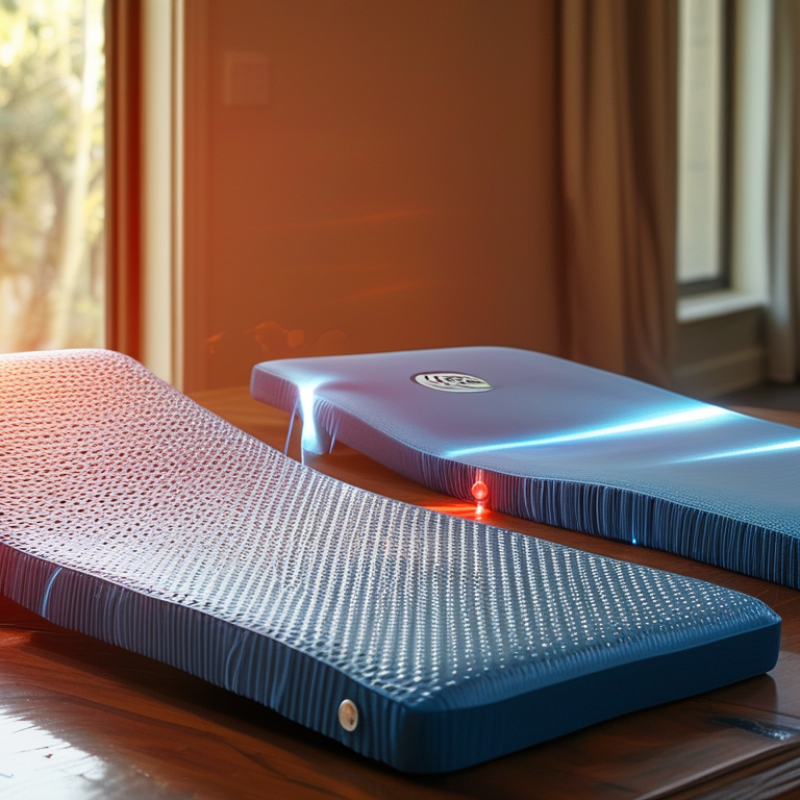
Overview of Red Light Therapy and Its Benefits
Red light therapy (RLT) utilizes low-wavelength light to penetrate the skin. This therapy is gaining traction for its potential to reduce pain and enhance recovery. Studies reveal that RLT can stimulate cellular processes, promoting healing and reducing inflammation. A report published in the Journal of Biophotonics indicates that RLT can enhance mitochondrial function, which plays a critical role in energy production. This increased energy can assist in recovery from injuries.
Medical professionals have noted that RLT may help manage chronic pain conditions. Research shows that approximately 30% of people who undergo this therapy report significant pain relief. This is particularly true for conditions like arthritis and muscle injuries. The ease of use makes RLT appealing for at-home treatments, but it's important to approach it with realistic expectations.
Tips for effective use:
- Start with short sessions and gradually increase duration.
- Ensure that the light source is positioned correctly to maximize the benefits.
Remember, individual results may vary. Regular use may yield better outcomes, but some may require professional guidance.
It’s essential to combine RLT with other recovery strategies for optimal results. Understanding Pain Relief Mechanisms of Red Light Therapy
Red light therapy has gained attention for its potential in pain relief and recovery. The therapy utilizes low-level wavelengths of light to penetrate the skin. This process stimulates cellular activities, enhancing healing in tissues. Understanding how this works requires some knowledge of the body’s pain mechanisms.
When red light is absorbed by cells, it boosts energy production. Mitochondria, the cell's powerhouse, become more efficient. This leads to increased ATP (adenosine triphosphate) levels. As a result, tissues can repair faster, alleviating soreness and discomfort. It’s intriguing how a non-invasive tool can alter cellular function. Yet, the effectiveness varies among individuals. Factors such as skin type and the nature of the injury play a role.
Pain perception is complex. It involves biochemical and neurological processes. While some users report significant relief, others may find only minor benefits. This discrepancy highlights the need for more personalized approaches. Additionally, the backdrop of each person’s health journey matters. Lifestyle, diet, and underlying conditions can all influence outcomes. It’s important to observe and reflect on individual responses to this therapy.
Criteria for Selecting the Best Red Light Therapy Mat
When selecting a red light therapy mat, focus on the device's intensity and wavelength. A mat providing optimal wavelengths, typically between 600-800 nm, ensures effective penetration into tissues. This range is crucial for reducing pain and speeding up recovery. Look for mats with adjustable settings. Personalized therapy can enhance the overall effectiveness of your sessions.
Durability and safety are also significant factors. High-quality materials can prevent wear and tear, increasing the mat's lifespan. Check for certifications that guarantee the product meets safety standards. User reviews are invaluable. They provide insights into real-world performance and effectiveness.
Consider portability as well. A lightweight mat allows for easy transport, making it essential for those with active lifestyles. It is worth pondering how often you will use the mat. Consistency is key for pain relief and recovery, but overuse may lead to diminishing returns. Balancing use with your body’s responses is essential for optimal results.
Top Red Light Therapy Mats for Pain Relief Reviewed
Red light therapy mats are gaining popularity for pain relief. They work by emitting red and near-infrared light. This light penetrates the skin and may promote healing. Many users report reduced pain levels after consistent use. For athletes, recovery can feel quicker and more effective.
When looking for the best red light therapy mats, consider size, power output, and light wavelength. Larger mats cover more areas, which is beneficial for full-body treatment. A higher power output often means more effective sessions. Different wavelengths can target various conditions. Some might find it challenging to commit to a regular routine. It often takes time to see results.
User experiences vary widely. Some users feel immediate relief, while others need weeks to notice changes. Selecting the right mat can feel overwhelming. Researching and comparing options is essential. Reviews can provide insights, but personal preferences matter. It's wise to reflect on your needs before making a decision.
User Experiences and Effectiveness of Red Light Therapy Mats
Red light therapy mats have gained popularity for pain relief and recovery. Many users report noticeable improvements in their conditions after consistent use. These mats emit specific wavelengths of light that penetrate the skin, potentially reducing inflammation and promoting healing. Users often describe the warmth and comfort they feel during sessions. This relaxing experience may enhance its effectiveness, as stress reduction plays a role in overall recovery.
User experiences vary. While some notice significant pain relief, others find the results less impressive. Many users believe that consistent usage is essential for optimal outcomes. A frequent complaint involves limited information on the best practices for integrating this therapy into their routines. Some question whether they should use the mats before or after workouts. This uncertainty can lead to frustration when results are slower than expected.
Accessibility is another factor. Users from various backgrounds have tried these mats. Many people have shared their stories online. The sense of community surrounding red light therapy is palpable. However, not everyone has access to high-quality mats, leading to mixed results. Some emphasize the importance of researching different options. The journey toward effective pain relief can be complex and demands patience and reflection.