What Is 660nm 850nm Red Light Therapy?
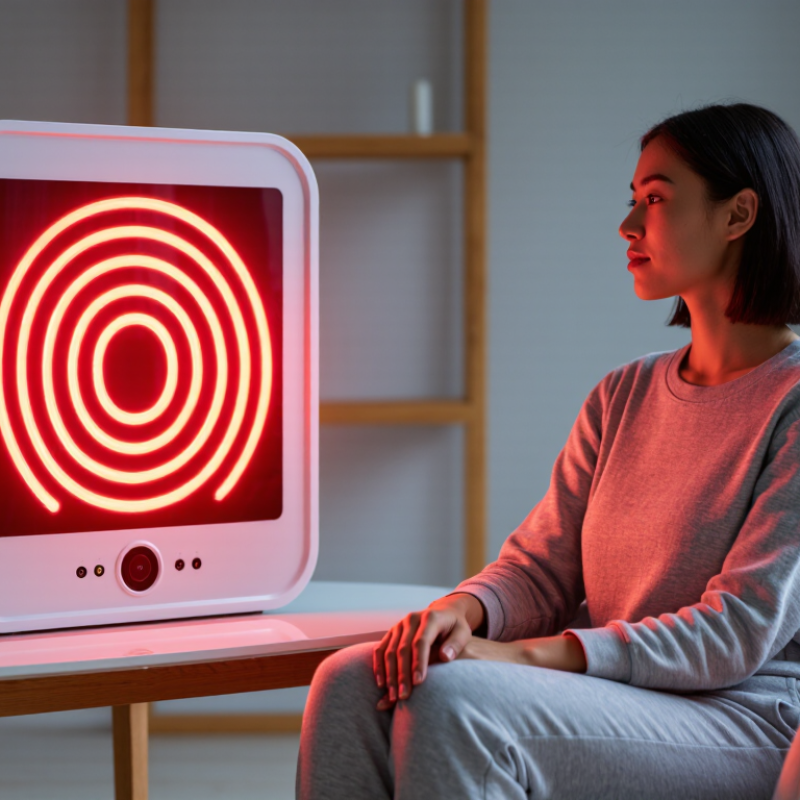
660nm 850nm Red Light Therapy combines two wavelengths often discussed in modern photobiomodulation. The 660nm wavelength is commonly associated with surface-level skin and tissue applications. The 850nm wavelength may reach deeper soft tissues. Together, they are designed to deliver controlled red and near-infrared light without ultraviolet radiation. A typical session may involve sitting near a panel while the LEDs create a gentle, warm glow across the treatment area.
The science is developing. Clinical studies suggest that specific light doses may support cellular energy production and influence normal inflammatory processes. However, results can vary with wavelength, power density, treatment distance, session length, and individual health conditions. More light is not automatically better. That detail is easy to overlook. Experienced users often track practical changes, such as skin texture, muscle comfort, or recovery after exercise, instead of expecting instant transformation. Professional guidance remains sensible, especially for people using photosensitizing medication or managing a medical condition.
This guide explains how 660nm and 850nm light differ, how devices are commonly used, and what current evidence can reasonably support. It also considers safety, device quality, and realistic expectations. Redness or warmth may occur briefly, but discomfort should not be ignored. Personal experience can be useful, yet it cannot replace well-designed research. The field continues to evolve, and some claims remain stronger in advertising than in independent clinical evidence. That distinction matters. Understanding the technology helps readers make careful, informed decisions rather than treating red light therapy as a universal solution.
What Are 660nm and 850nm Wavelengths?
What Are 660nm and 850nm Wavelengths?
A wavelength describes the distance between light waves. In light therapy, 660nm appears as visible red light, while 850nm belongs to the invisible near-infrared range. You cannot see 850nm, but the light may still reach living tissue beneath the skin.
The 660nm wavelength is commonly used for surface-level areas. It may interact with skin cells and support normal cellular energy production. This is why researchers study it for skin appearance, wound recovery, and localized irritation. The 850nm wavelength generally penetrates more deeply. It is often investigated for muscles, joints, and other tissues below the skin. Neither wavelength works like magic. Results can vary with dose, treatment distance, skin condition, and individual biology.
In practical use, a device’s wavelength is only one part of the process. Irradiance, exposure time, and heat also matter. More light is not automatically better. Excessive exposure may cause discomfort or temporary redness, especially with sensitive skin. Eye protection deserves attention because invisible light can be easy to underestimate. People taking photosensitizing medication or managing a medical condition should seek professional advice before use.
The science is promising, but not perfectly settled. Some studies are small, and treatment methods differ between researchers. That makes confident promises questionable. Careful measurement and realistic expectations matter more than bright marketing claims.
How 660nm and 850nm Red Light Therapy Works
What Is 660nm 850nm Red Light Therapy?
How 660nm and 850nm Red Light Therapy Works
Red light therapy uses non-ionizing light to influence cellular activity. At 660nm, red light mainly reaches superficial tissue, including skin and shallow muscles. At 850nm, near-infrared light generally travels deeper, although tissue thickness and pigmentation change the result. Research reviewed by Hamblin in AIMS Biophysics links photobiomodulation with mitochondrial cytochrome c oxidase, ATP production, and nitric oxide signaling. The response is biological, not magical.
Clinical protocols often use 10–100 mW/cm² and approximately 4–60 J/cm², according to published photobiomodulation studies and World Association for Photobiomodulation Therapy guidance. These figures are not universal prescriptions. Device output, distance, treatment time, and cooling all matter. A panel can look bright while delivering little energy to the target tissue. That is an easy mistake.
Tips: Check irradiance at the treatment distance, not only the advertised wavelength. Start with shorter sessions and protect your eyes when recommended. Keep a simple record of redness, soreness, sleep, or skin changes. Evidence remains promising but uneven; many studies use small samples, varied doses, and different treatment schedules. ICNIRP exposure guidance also shows why time and intensity must be considered together. More light is not automatically better.
Safety Considerations and Treatment Guidelines
660 nm red light is visible to the eye, while 850 nm near-infrared light is not. Both wavelengths are used in photobiomodulation devices, but treatment depth and results can differ. Some users report calmer skin or temporary muscle comfort. Evidence remains promising, not complete.
Safety depends on dose, distance, session length, and personal health. Follow the device instructions rather than assuming longer exposure works better. Use approved protective eyewear when recommended, especially with panels or bright face devices. Never stare directly into LEDs. Mild warmth or short-lived redness may occur, but burning, pain, swelling, dizziness, or vision changes require immediate stopping. People taking photosensitizing medicines, or managing eye disease, cancer, diabetes, or skin disorders, should ask a qualified clinician first. Pregnancy also deserves individual medical advice. Avoid treating open wounds or irritated skin unless a healthcare professional guides you.
Tips: Clean and dry the treatment area. Start with a short session and inspect your skin afterward. Keep a simple log of time, distance, and reactions. Patch testing is sensible, though it cannot predict every response. Avoid mixing light therapy with new creams on the same day, because irritation may become harder to identify. Professional advice is especially important when symptoms persist, since red light should not replace diagnosis or prescribed care. Some recommendations may need adjustment; real-world tolerance is not identical for everyone.
What Is 660 nm and 850 nm Red Light Therapy?
660 nm is visible red light, while 850 nm is near-infrared light. The chart compares their physical properties; actual treatment effects depend on irradiance, dose, exposure time, tissue depth, and device design.
Safety Considerations and Treatment Guidelines
- Use the exposure time, distance, and dose recommended by the device manufacturer or a qualified healthcare professional.
- Common photobiomodulation protocols often use irradiances around 10–50 mW/cm² and doses around 2–10 J/cm², but these ranges are not suitable for every condition or device.
- Never stare directly into high-intensity LEDs or lasers. Use appropriate eye protection when the device instructions require it.
- Ask a healthcare professional before treatment if you use photosensitizing medication, have a light-sensitive disorder, an eye condition, active cancer, or an implanted electronic medical device.
- Stop treatment if you experience pain, persistent redness, unusual swelling, visual symptoms, or skin irritation.
Photon energy and frequency are calculated from the wavelength using standard physical constants. Tissue penetration varies substantially with skin properties, tissue composition, angle, irradiance, and treatment geometry.