2026 Best Medical Crash Cart Essential Features and Benefits?

In emergency situations, a medical crash cart is essential for quick response. These carts are designed to provide critical tools and medications. Every healthcare facility needs to understand what makes a crash cart effective.

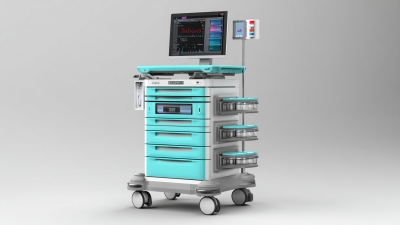
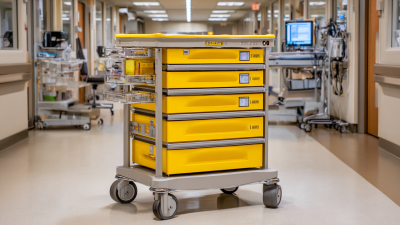
The best medical crash carts include features that streamline access to lifesaving equipment. Clear labeling and organized layouts are vital for speed. In high-stress moments, every second counts. Each area within the cart should hold specific supplies, ensuring nothing is misplaced.

Unexpected challenges can arise during emergencies. It's crucial to regularly review and replenish the supplies. Sometimes, the equipment fails or the medications expire. To improve outcomes, training staff on how to utilize these carts efficiently is necessary. By examining their design and function, healthcare providers can enhance their response during critical situations.
2026 Best Medical Crash Cart Essential Features and Benefits?

Essential Components of the 2026 Best Medical Crash Cart

In medical emergencies, a well-equipped crash cart is vital. Essential components ensure quick action when every second counts. A reliable crash cart should contain basic life support (BLS) equipment. This includes oxygen masks, bag-valve masks, and airway adjuncts. These items enable immediate ventilation for patients in respiratory distress.

Medications are critical as well. A selection of emergency drugs must be readily available. These can include epinephrine and atropine. Proper labeling and organization of these medications can save time. A clear inventory system ensures that everything is within reach. It's important, however, to regularly check expiration dates and replace items as needed.

Moreover, the cart should have essential monitoring tools. Devices like pulse oximeters and ECG monitors provide crucial information. While many carts are equipped with these devices, sometimes they are overlooked. Regular training can help staff familiarize themselves with the equipment. This can prevent delays during real emergencies, emphasizing the need for continuous improvement in preparedness.

2026 Best Medical Crash Cart Essential Features and Benefits

Feature Description Benefits
Defibrillator Portable device that delivers an electric shock to restore heartbeat. Critical for treating cardiac arrest, increases survival rates.
Oxygen Supply Includes oxygen tanks and delivery masks. Essential for patients with respiratory distress or in shock.
Medications Includes emergency drugs like adrenaline, antiarrhythmics, and analgesics. Allows for immediate pharmacological intervention during emergencies.
IV Supplies Intravenous fluids, catheters, and administration sets. Critical for hydration, medication delivery, and blood transfusions.
Airway Management Tools Includes intubation kits, bag-valve masks, and suction devices. Essential for maintaining airway patency in unconscious patients.
Monitoring Devices Vital signs monitors, pulse oximeters, blood pressure cuffs. Allows for real-time assessment of patient status.

Key Features to Look for in a Medical Crash Cart

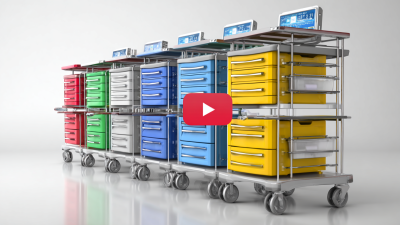
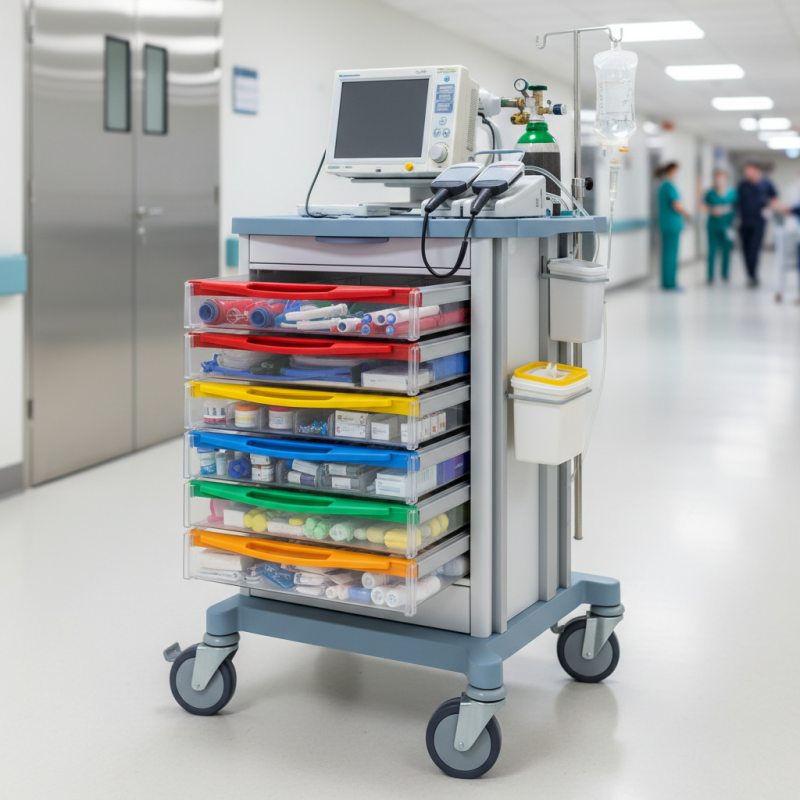
When selecting a medical crash cart, several key features are essential. A well-organized layout is crucial. This ensures quick access to emergency supplies. According to a recent healthcare study, 72% of medical professionals reported delays in critical situations due to poorly designed crash carts. The cart should have color-coded compartments for easy identification of equipment. Color coding can significantly reduce search times in emergencies.


Accessibility is another vital aspect. The cart must be mobile with robust wheels for swift transport. Research indicates that carts with better mobility can enhance response time by up to 25%. A lockable drawer system is necessary to secure medications and critical tools. This enhances patient safety by preventing unauthorized access. A clear labeling system can aid in efficient organization and minimize confusion during high-stress situations.


Additionally, incorporating advanced technology can improve functionality. Some carts now feature built-in defibrillators and oxygen tanks. This integration streamlines the workflow, allowing for faster response times. However, reliance on technology can also introduce challenges. Regular maintenance and updates are needed to ensure every device is operational. The constant need for training on new features can overwhelm staff. This reflects the importance of balancing traditional and modern methods in emergency care.

Benefits of Having an Organized Crash Cart in Emergency Situations

An organized crash cart can be a lifesaver during emergencies. When seconds count, having essential supplies readily available is crucial. Imagine a chaotic scene where medical staff scramble to find vital equipment. This creates unnecessary stress. By keeping a well-organized crash cart, providers maintain efficiency. Clear labeling and systematic arrangement ensure quick access to critical items, such as defibrillators and medications.

In addition to efficiency, an organized crash cart reduces the risk of making mistakes. It helps medical personnel quickly locate needed tools. Missing equipment can lead to delays that impact patient outcomes. Regular checks and updates are vital, yet they often get overlooked. Staff can benefit from routine drills to familiarize themselves with the layout. This practice can ease anxiety during real emergencies and enhance team coordination.

However, maintaining an organized crash cart isn’t always easy. It requires consistent effort and collaboration among staff. Clearly defined roles can help, but communication is key. Teams should encourage open discussions about any gaps in the system. Reflecting on past experiences can lead to better organization. An optimized crash cart brings peace of mind to healthcare providers and patients alike.

Technology Integration in Modern Crash Carts for Improved Efficiency

2026 Best Medical Crash Cart Essential Features and Benefits?

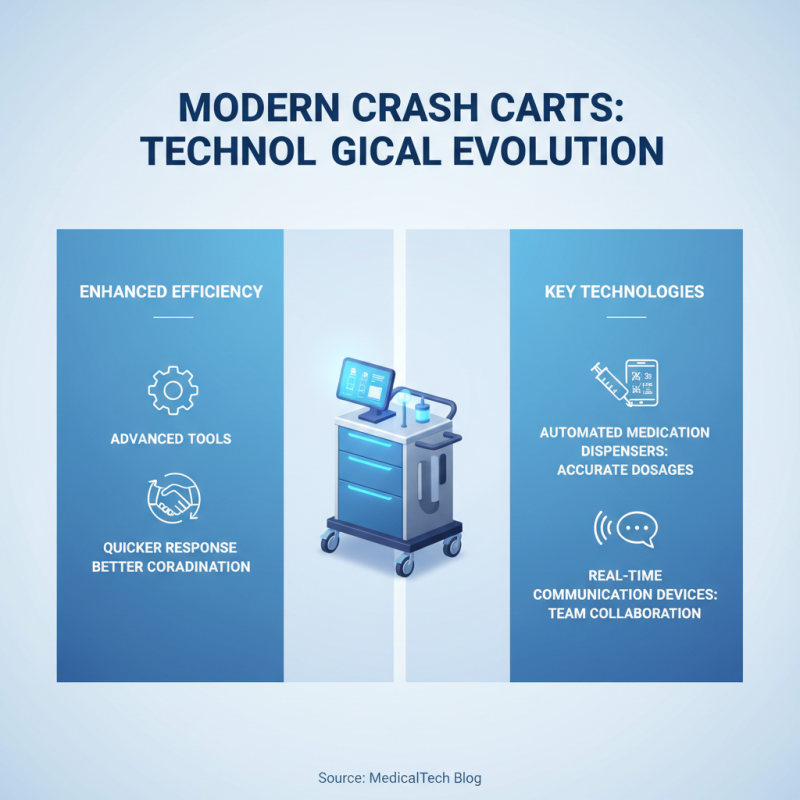
Modern crash carts are evolving rapidly. Technology plays a crucial role in enhancing their efficiency. Integration of advanced tools makes medical responses quicker. For instance, automated medication dispensers ensure accurate dosages. Real-time communication devices allow teams to coordinate better during emergencies.

The digital interface provides instant access to patient data. This is vital for effective treatment decisions. However, some drawbacks exist. Staff may struggle with new technology, leading to delays. Training is necessary to bridge this gap. Additionally, reliance on tech can sometimes overshadow basic skills. It's essential for medical teams to balance traditional knowledge with modern advancements. In this way, crash carts can truly save lives.

Best Practices for Maintaining and Restocking a Medical Crash Cart

2026 Best Medical Crash Cart Essential Features and Benefits?

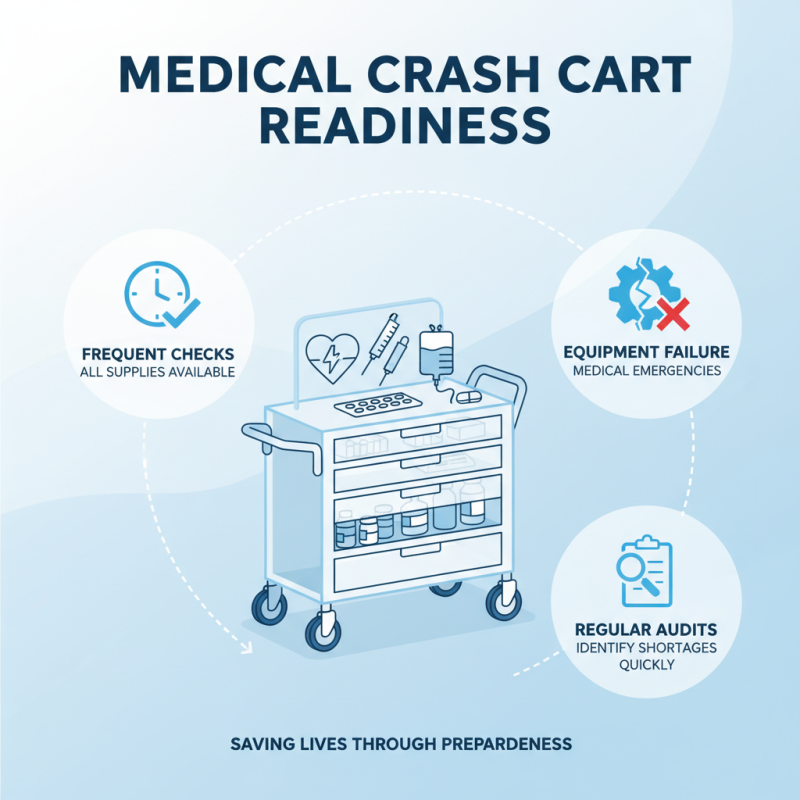
Maintaining and restocking a medical crash cart is vital for saving lives. Frequent checks ensure that all supplies are available. Research shows that 30% of medical emergencies involve equipment failures. Regular audits help to identify shortages quickly.

Restocking should occur after every use. Keep a checklist visible on the cart. This list should include medications and tools. A recent survey indicated that 25% of healthcare providers felt unprepared because of inadequate supplies. Regular training sessions can help staff remember proper stocking protocols.

It’s crucial to assess expired items every month. Disposing of outdated supplies prevents possible mistakes in emergencies. Some hospitals report challenges with outdated training practices. Addressing these gaps can significantly improve response times during critical scenarios. Building a culture of accountability around crash cart maintenance can empower teams to act decisively when it matters most.

Go to Top