2025 Essential Guide to Choosing the Best Crash Carts for Healthcare Needs
In the fast-paced world of healthcare, having the right equipment readily available can mean the difference between life and death. At the heart of emergency response in hospitals and clinics are crash carts, essential mobile units designed to store and organize critical medical supplies and equipment. As we approach 2025, it becomes increasingly important for healthcare facilities to evaluate their crash cart options meticulously. This guide aims to assist healthcare professionals and administrators in selecting the best crash carts tailored to their specific needs, ensuring quick access to lifesaving tools during emergencies.
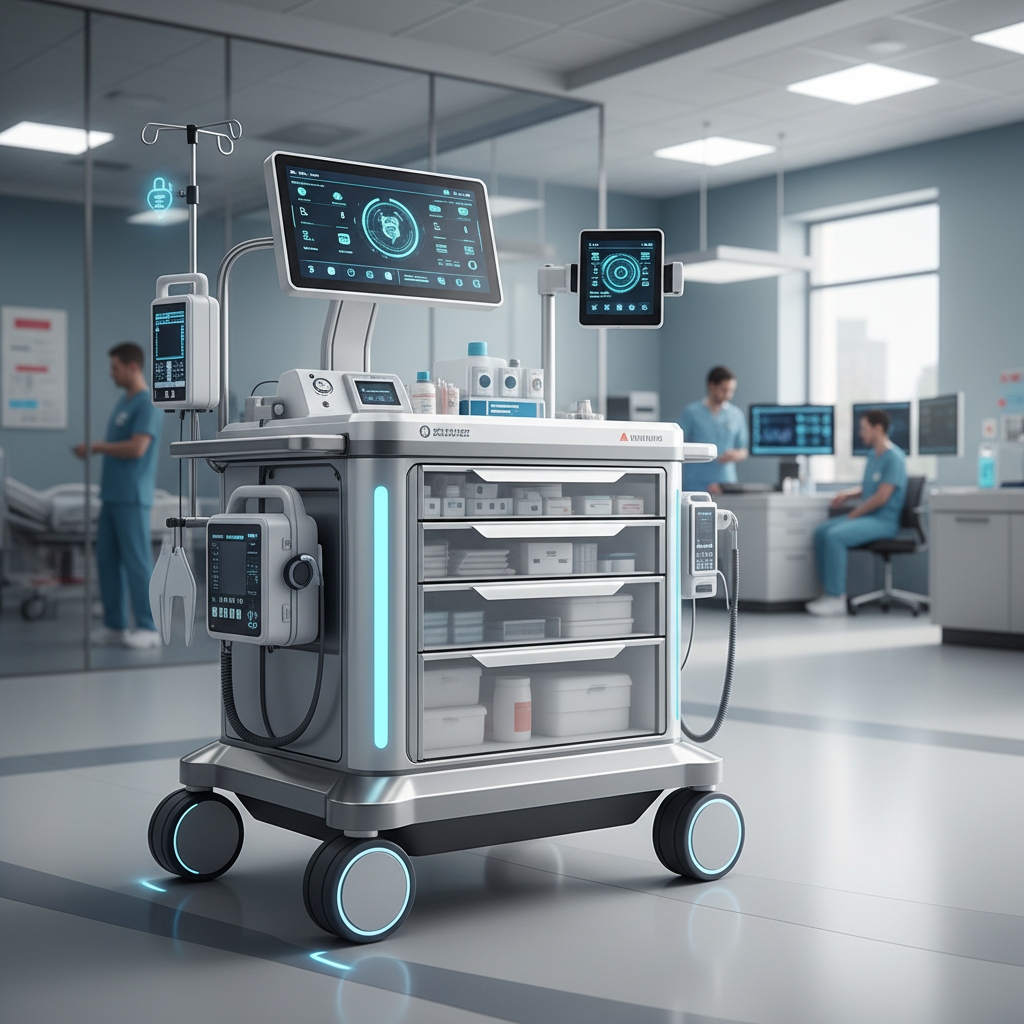
Choosing the right crash carts involves understanding various factors such as storage capacity, ease of mobility, and integration of advanced technology. As healthcare demands evolve, so too must the capabilities of crash carts. With innovations in design and functionality, contemporary crash carts can now support a wider range of medical equipment and streamline workflow for emergency responders. This essential guide will explore the top digital types of crash carts available in 2025, equipping decision-makers with the knowledge needed to make informed choices that ultimately enhance patient care and safety in emergency situations.
Key Features to Consider When Selecting Crash Carts for Healthcare Settings
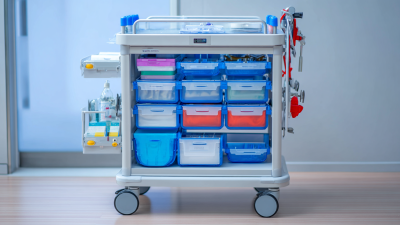
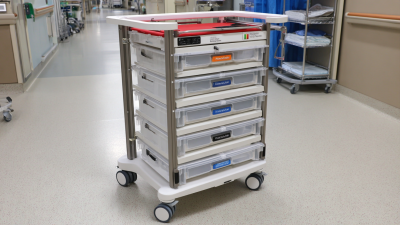
When selecting crash carts for healthcare settings, there are several key features to consider that can significantly impact patient outcomes during emergencies. First and foremost, the configuration and organization of the cart are crucial. A well-organized cart allows medical personnel to quickly access essential supplies and equipment. Look for carts that have clear labeling and logical compartmentalization, which helps streamline the process when every second counts. Additionally, a modular design that permits easy reconfiguration can be beneficial as healthcare needs evolve.
Another important aspect is the materials and construction of the crash cart itself. Durability is vital, as crash carts need to withstand frequent use and potential wear and tear. Lightweight materials that are easy to clean and disinfect are preferred, ensuring they meet hygiene standards essential in healthcare environments.
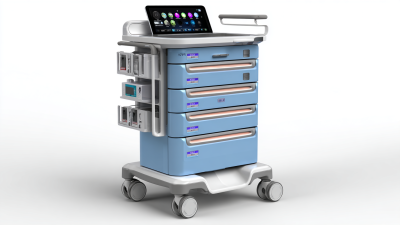
Furthermore, consider the mobility of the cart. Carts equipped with smooth-rolling wheels and a sturdy handle enhance maneuverability, allowing healthcare professionals to transport the cart effortlessly to wherever it's needed most during a critical situation. The combination of these features ensures that crash carts are not only effective but also support preparedness and efficiency in healthcare settings.
The Importance of Customization in Crash Carts for Different Medical Environments
Customization is crucial when selecting crash carts, as healthcare environments vary significantly in the type of emergencies they encounter. According to a report by the Emergency Medical Services (EMS) Agency, approximately 65% of medical emergencies require rapid response protocols that can differ dramatically between a hospital, an outpatient clinic, or an ambulance. This highlights the necessity for tailored crash carts equipped with age-appropriate and condition-specific supplies, ensuring that healthcare professionals can react quickly and efficiently to diverse situations.
Moreover, a study published in the Journal of Emergency Medical Services states that hospitals that utilize customized crash carts witness a 30% reduction in response times during critical incidents. This improvement in readiness stems from strategic organization of essential materials, such as medications, defibrillators, and specialized instruments that are most relevant to the environment. By prioritizing customization in crash cart design, healthcare facilities not only enhance patient outcomes but also optimize their emergency response strategies to be more aligned with their specific needs and capabilities.
Essential Items to Stock in Your Crash Cart for Optimal Emergency Response
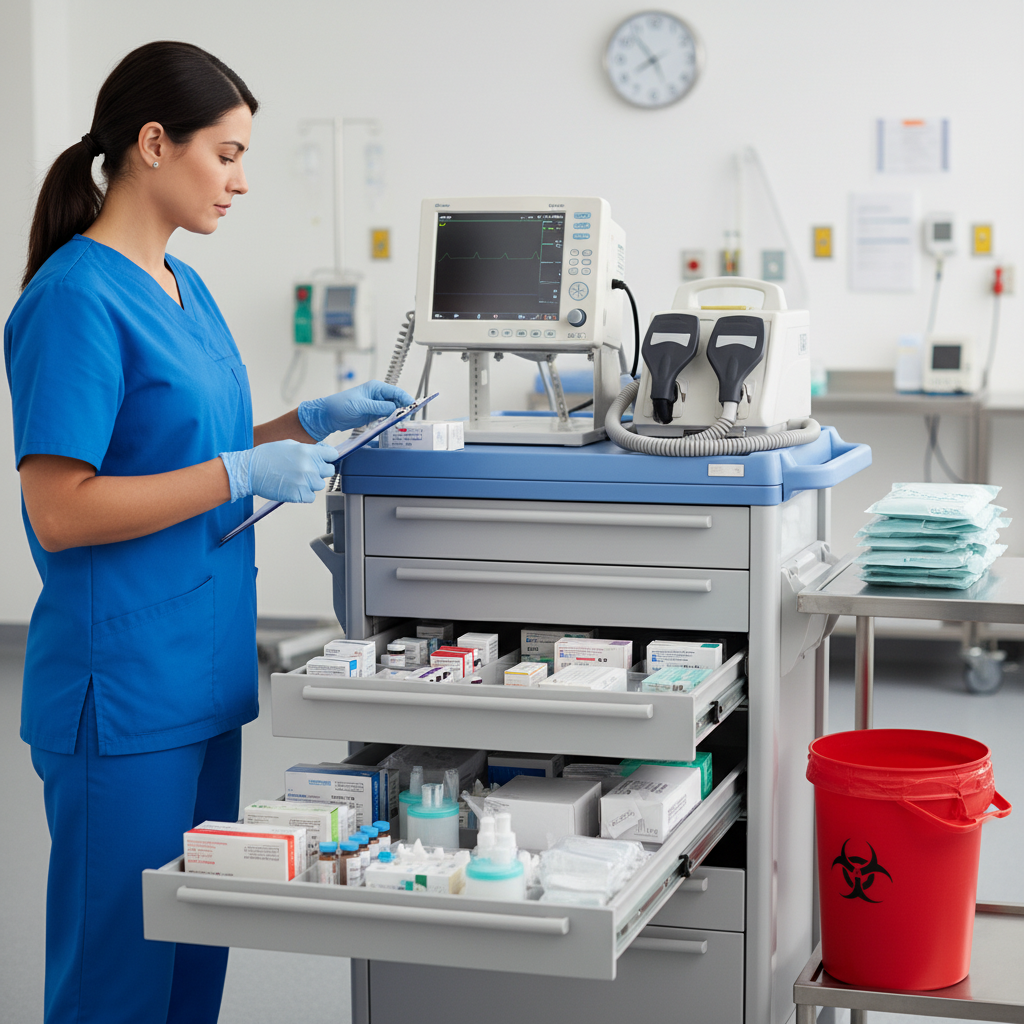
In any healthcare setting, preparing for emergencies is paramount, and a well-stocked crash cart is an essential component of that readiness. To optimize emergency response, it is crucial to include key items that can address a variety of critical situations. Essential medications, such as epinephrine for anaphylaxis, atropine for bradycardia, and nitroglycerin for chest pain, should be readily accessible. Additionally, intravenous (IV) supplies, including needles, syringes, and IV fluids, must be included to provide immediate access for hydration and medication delivery.
Beyond medications, a crash cart should also contain critical medical equipment. Basic airway management tools like bag-valve masks and intubation kits are vital for ensuring patient ventilation during respiratory emergencies. Cardiac monitors and defibrillators are essential for managing arrhythmias and cardiac arrest situations. Furthermore, having a well-stocked supply of emergency instruments, such as scissors, clamps, and dressings, will ensure that healthcare providers can quickly respond to traumatic injuries. Ensuring that these essential items are regularly checked and maintained can significantly enhance the effectiveness of emergency response efforts.
Emergency Response Equipment Stock Levels
Best Practices for Maintaining and Updating Your Crash Cart Inventory
Maintaining and updating crash cart inventory
is crucial for healthcare facilities to ensure prompt and effective emergency response.
According to a report by the Institute for Safe Medication Practices,
improper management of crash carts can lead to critical delays in patient care,
emphasizing the need for regular inventory assessments.
Health organizations should implement a standardized protocol for checking and restocking crash carts at least quarterly.
This includes verifying expiration dates on medications, ensuring that all necessary equipment is functional,
and replacing items that have been used or are no longer sterile.
Moreover, staff training plays an integral role in effective crash cart management.
A study published in the Journal of Emergency Nursing highlighted that ongoing education
about crash cart contents and usage significantly improves the response times during emergencies.
Healthcare providers are recommended to conduct mock drills and simulations at least twice a year,
allowing team members to familiarize themselves with both the contents and the layout of the crash cart.
This proactive approach not only enhances clinical readiness but also reinforces the importance of
regular inventory checks, ensuring that essential supplies are always available when needed.
How to Train Healthcare Staff on Effective Use of Crash Carts in Emergencies
Training healthcare staff on the effective use of crash carts in emergencies is vital to ensure prompt and efficient patient care during critical situations. First, it is essential to create a comprehensive training program that covers both the theoretical and practical aspects of crash cart utilization. Staff should be familiarized with the contents of the crash cart, including medications, equipment, and supplies, as well as the standard protocols for their use. Regular workshops and simulations can reinforce this knowledge, allowing staff to practice responding to various emergency scenarios.
Moreover, ongoing education and assessment are crucial. Periodic refresher courses should be implemented to keep all healthcare team members updated on any changes in protocols or cart contents. Incorporating real-life case studies can enhance learning by demonstrating the importance of quick decision-making and teamwork. Encouraging open discussions and feedback will also foster a culture of continuous improvement and preparedness among healthcare staff, ultimately leading to better patient outcomes during emergencies.